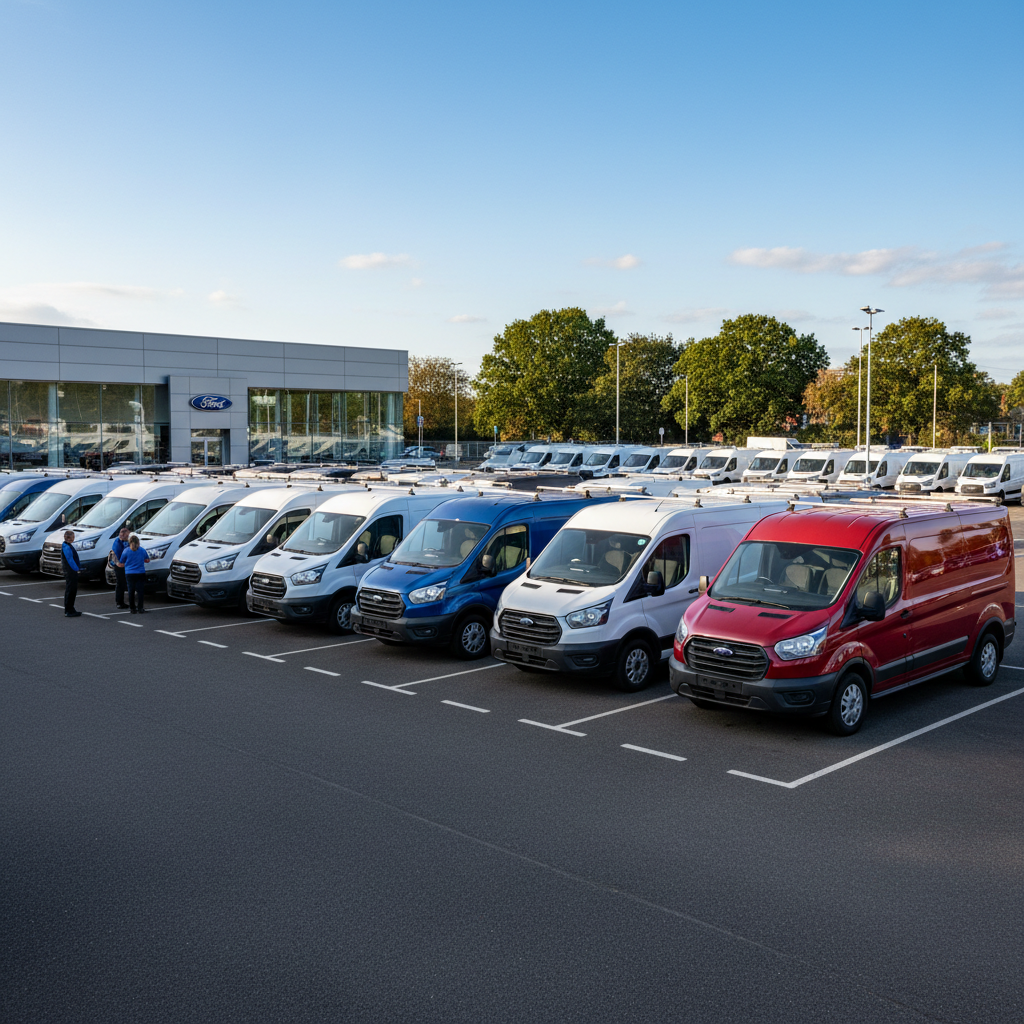
The Ultimate Guide to Buying a Used Ford Transit in the UK
The Ford Transit is more than just a van; it is a British institution. For over 60 years, it has been the workhorse of the nation, earning the nickname 'the backbone of Britain'. From delivering parcels to carrying tools to site, the Transit has done it all. Its enduring popularity means the used market is packed with choice, but navigating it can be a challenge.
Whether you are a sole trader needing a reliable partner or a growing business expanding your fleet, this guide will help you find the perfect used Ford Transit. We will break down the different models, highlight key checks to make, explain running costs like ULEZ compliance, and show you how to find the best deals on Carslink.
Understanding the Ford Transit Family
The name 'Transit' no longer refers to a single van. Ford has expanded the range into a family of four distinct models, each designed for different needs. Understanding which one suits you is the first step.
Ford Transit (The 'Big' Transit): This is the largest van in the range, designed for heavy loads and maximum cargo space. It is available in a huge variety of configurations, including different lengths (L2, L3, L4) and roof heights (H2, H3). You will also find chassis cab versions ready for specialist conversions. Ideal for couriers, removal companies, and trades needing to carry large sheets of material.
Ford Transit Custom: Since its launch in 2012, the Custom has become the UK's best-selling vehicle, period. It hits the sweet spot between the compact Connect and the full-size Transit. It is big enough to be practical, often able to carry three Euro pallets, but small enough to be easy to drive and park in urban environments. It is the go-to choice for builders, electricians, and plumbers.
Ford Transit Connect: A smaller panel van perfect for city-based work. The Connect shares its underpinnings with Ford's passenger cars, making it comfortable and easy to drive. It is ideal for florists, caterers, or engineers who need to carry tools and equipment without the bulk of a larger van.
Ford Transit Courier: The smallest of the bunch, based on the same platform as the Ford Fiesta. The Courier is nippy, economical, and perfect for light-duty work and navigating congested city streets where parking is at a premium.
Here is a quick comparison of the most common models:
| Model | Target User | Typical Payload | Key Benefit |
|---|---|---|---|
| Transit | Heavy haulage, large crews | 1,000kg - 2,000kg+ | Maximum possible space and payload. |
| Transit Custom | All-round trades, delivery | 600kg - 1,400kg | The perfect balance of size and usability. |
| Transit Connect | Urban trades, light delivery | 500kg - 900kg | Car-like driving dynamics, economical. |
| Transit Courier | Light urban delivery, service | 500kg - 600kg | Extremely agile and economical to run. |
What to Look For When Buying a Used Transit
Commercial vehicles live hard lives, so thorough checks are essential. When you find a potential van on Carslink, here is what to focus on during your inspection and test drive.
MOT and Service History
A full service history is non-negotiable for a working van. It shows the vehicle has been maintained, which is vital for long-term reliability. Check the service book for stamps from reputable garages. More importantly, use the government's online MOT history checker. This free service reveals past MOT results, including any failures and advisories. A long list of advisories for things like suspension bushes, brake pipes, or tyre wear can indicate a van that has been run on a tight budget and may need expensive work soon.
Engine and Mechanicals
Since 2016, most Transits have been fitted with Ford's 2.0-litre EcoBlue diesel engine. These are generally robust, but listen carefully on a test drive. Any rattling noises, particularly on start-up, could signal timing chain issues on higher-mileage examples. Check for any smoke from the exhaust: blue smoke suggests oil is being burnt, while black smoke can indicate injector or turbo problems. Ensure the gearbox is smooth and the clutch has a clear biting point without slipping.
Bodywork and Interior
Do not be put off by a few cosmetic dings and scratches; it is a work van after all. However, you should inspect key areas for serious problems. Check the wheel arches, door bottoms, and sills for rust, which can be an MOT failure. Look underneath for any signs of corrosion on the chassis. Inside, check for excessive wear on the driver's seat bolster, steering wheel, and pedals, as this can give a more accurate impression of the van's usage than the odometer reading alone.
Running Costs: ULEZ, Tax, and Finance
ULEZ and Clean Air Zones (CAZ)
For anyone working in or around major cities, this is a critical consideration. As of 2026, London's Ultra Low Emission Zone (ULEZ) and other Clean Air Zones across the UK require diesel vans to meet Euro 6 emissions standards to avoid a daily charge.
Broadly speaking, a Ford Transit registered from September 2016 onwards will be Euro 6 compliant. However, there are exceptions. Always use the official Transport for London (TfL) vehicle checker with the van's registration number to confirm its ULEZ status before you buy. Many listings on Carslink will highlight ULEZ compliance, which can save you a lot of time in your search.
VED (Road Tax) and Insurance
For most light commercial vehicles, including the Transit family, Vehicle Excise Duty (VED) is a flat annual rate. For the 2025/2026 tax year, this is £335 for most models. Insurance costs will vary significantly based on your age, location, driving history, and intended use (e.g., 'carriage of own goods' vs. 'hire and reward'). Always get insurance quotes before committing to a purchase.
Financing a Used Transit: HP vs PCP
If you are not a cash buyer, you will likely be looking at finance. The two main options are:
- Hire Purchase (HP): This is the most common route for commercial vehicles. You pay an initial deposit followed by fixed monthly payments. At the end of the term, the van is yours. It is a straightforward way to own an asset for your business.
- Personal Contract Purchase (PCP): While more common for cars, PCP is sometimes available for vans. It involves a deposit, lower monthly payments, and a final 'balloon' payment at the end. You can then choose to pay the balloon to own the van, hand it back, or part-exchange it. This can be good for cash flow but is less focused on eventual ownership.
The Buying Process with Carslink
Your search for the perfect used Transit starts here on Carslink. Our powerful search engine allows you to filter thousands of listings from dealers across the UK. You can narrow your options by:
- Model (Custom, Connect, etc.)
- Price
- Age and mileage
- ULEZ compliance
- Location
Once you have found a van that meets your requirements, contact the dealer to arrange a viewing. When you inspect the vehicle, make sure the V5C logbook (the official DVLA registration document) is present. Check that the Vehicle Identification Number (VIN) on the V5C matches the number on the van (usually found at the base of the windscreen and on a plaque inside the driver's door). Ensure the seller's name and address match the details on the V5C. A private seller selling from an address different to the one on the logbook is a major red flag.
By following these steps, you can confidently navigate the used market and find a reliable Ford Transit that will serve you and your business for years to come.
Disclaimer: This article is intended as a general guide. Vehicle specifications, pricing, and details can vary. Always confirm all information and conduct your own thorough checks directly with the selling dealer before making a purchase.
Frequently asked questions
Are used Ford Transits ULEZ compliant?
Most Ford Transit models registered after September 2016 (Euro 6 diesel engines) are ULEZ-compliant. Always verify the specific vehicle's emissions status on the Transport for London (TfL) website using the registration number before purchasing.
What paperwork should I check when buying a used Ford Transit?
When buying a used Transit, ensure the seller provides the V5C logbook, a valid MOT certificate, and a comprehensive service history. Check for a clear HPI report to ensure there is no outstanding PCP or HP finance and that the vehicle hasn't been written off.
What is the difference between a Ford Transit and a Transit Custom?
The 'Big' Transit (L2-L4) is best for heavy-duty haulage, while the Transit Custom is the UK's best-selling medium van, offering a balance of payload and car-like drivability. Smaller options include the Transit Connect and the compact Transit Courier.
What should I look out for when inspecting a used Ford Transit?
Common issues to inspect include the condition of the ply-lining, side loading door alignment, and the health of the DPF (Diesel Particulate Filter), especially if the van has been used for short city trips. Ensure the 'wet belt' service intervals have been strictly followed on EcoBlue engines.
Can I buy an electric used Ford Transit?
Yes, Ford offers the E-Transit, which is exempt from both ULEZ and London Congestion Charges. These are becoming increasingly available on the used market and are ideal for businesses looking to lower their carbon footprint and daily running costs.
Information current as of 2026. Always verify the latest specification, price and availability with the dealer before purchasing. Carslink is a free search engine and does not handle the sale.