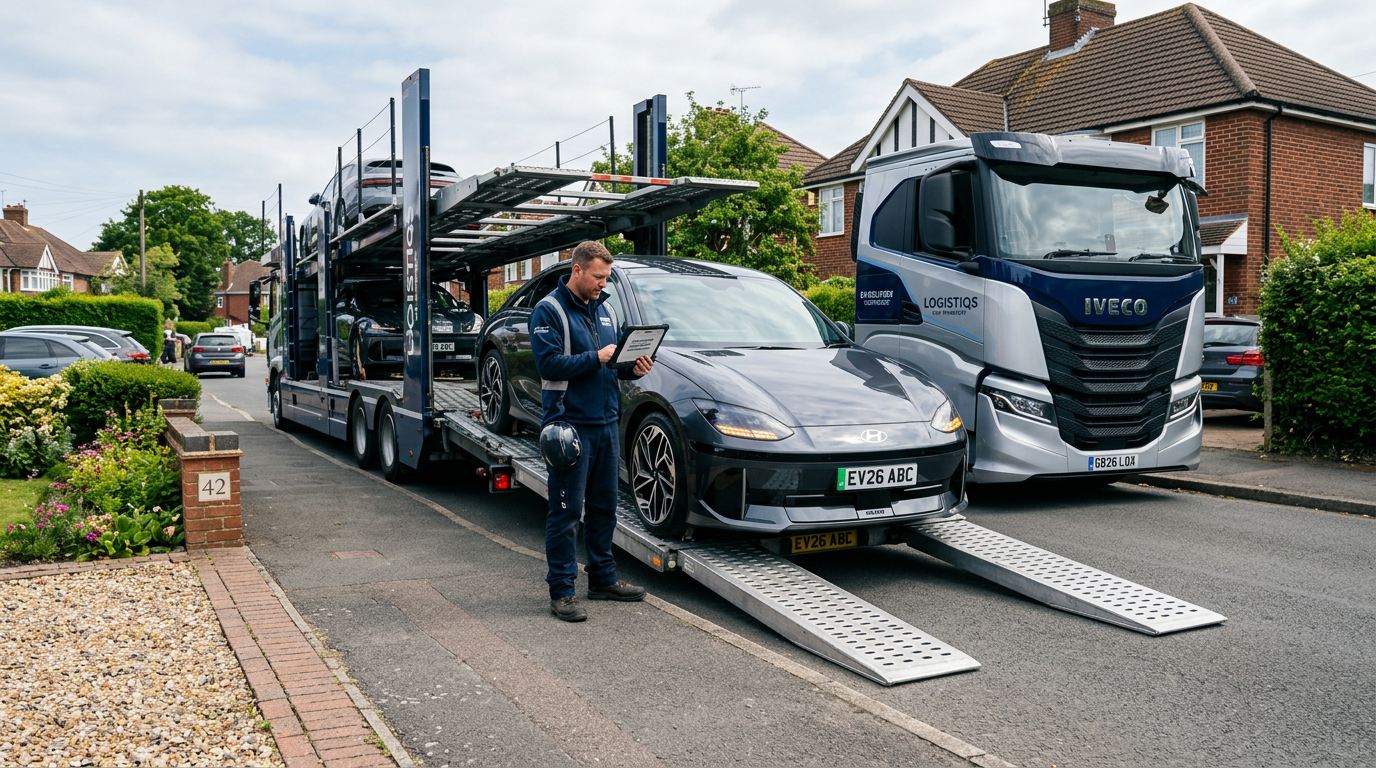
The automotive retail landscape has shifted dramatically over the last few years. As we move through mid-2026, the 'click and collect' model has evolved into 'click and delivered'. Whether you have just purchased a sleek electric SUV or a high-spec petrol performance car, more UK buyers than ever are opting for home car delivery.
However, with convenience comes a complex question of liability. If your brand-new pride and joy arrives with a dent in the wing or, worse, is involved in a collision 50 miles from your house while in transit, who pays?
In this guide, we break down the intricacies of car delivery insurance and liability in 2026 to ensure your UK used car buying experience remains stress-free.
The Shift in 2026: Why Home Delivery is Now Standard
Consumer habits have solidified. The traditional dealership 'handover' is now frequently replaced by a professional driver or a multi-car transporter arriving at your driveway. According to 2026 market data, over 55% of independent used car sales now include a delivery option.
When you buy through platforms like CarsLink.ai, transparency is at the forefront, but understanding the legal 'grey areas' of transit is essential for every buyer.
Who is Liable During Transit?
Liability generally hinges on when the "transfer of risk" occurs. This is typically defined in your sales contract.
1. Driven Delivery (Plate Drivers)
Many dealerships use 'plate drivers' who drive the vehicle from the forecourt to your door.
- The Insurance: The driver must be covered by motor trade insurance 2026 standards, specifically 'Fully Comprehensive' road risk.
- The Risk: Since the car is being driven on the road, it is subject to standard road risks, including stone chips, mileage accumulation, and potential accidents.
- Liability: Until you sign the delivery note (V5C check and physical inspection), the vehicle remains the responsibility of the seller or their subcontracted delivery firm.
2. Transported Delivery (Trailer or Transporter)
This is the safest method for high-value or electric vehicles (EVs) where mileage preservation is key.
- The Insurance: The logistics company must carry 'Goods in Transit' insurance. This is separate from standard motor insurance and covers the car as 'cargo'.
- Liability: If the car is damaged while being loaded, unloaded, or during the journey, the transporter's insurance handles the claim.
Key Checkpoints for the Buyer
To protect yourself, you must follow a strict protocol the moment the car arrives. Once you sign that digital or paper handheld device, you are often accepting the vehicle 'as seen' regarding cosmetic condition.
The Pre-Sign Inspection
Don't be rushed by a driver on a tight schedule. In 2026, professional delivery drivers often record the handover via body-cam or tablet photos. You should do the same:
- Check the Bodywork: Look for stone chips or scratches not mentioned in the original listing.
- Verify the Odometer: Ensure the mileage matches the agreed delivery distance.
- Inspect the Interior: Check that all accessories (charging cables for EVs, floor mats, V5C logbook) are present.
- Under the Car: Quickly check for any leaks or visible underside damage from loading ramps.
Insurance Legalities: Tax, MOT, and ULEZ
A common pitfall in 2026 involves the "gap" between the car arriving and your own insurance starting.
| Scenario | Responsibility | Note |
|---|---|---|
| Road Tax (VED) | Seller/Driver | Must be taxed or on trade plates during transit. |
| MOT | Seller | Must have a valid MOT if over 3 years old. |
| ULEZ/Clean Air Zones | Driver | The driver/firm is liable for any tolls incurred during delivery. |
| PCP/HP Agreements | Finance Provider | Risk usually transfers only once the car is accepted by the hirer. |
Pro Tip: Most modern insurance providers allow you to set your policy to start at 00:01 on the day of delivery. Ensure this is active, as you cannot legally drive the car once the delivery driver hands over the keys, even for a quick spin around the block, unless your policy is live.
What Happens if the Car is Damaged?
If you spot damage, you have two main options:
- Refuse Delivery: If the damage is significant, do not sign for the car. The driver must take it back. Contact the dealership or the CarsLink.ai partner immediately.
- Conditional Acceptance: If the damage is minor (e.g., a small scratch), note it clearly on the delivery document and take dated photographs. Ensure the driver acknowledges the damage in writing before they leave.
Consumer Rights Act 2015 (Updated Context 2026)
Even with car delivery insurance in place, you are protected by the Consumer Rights Act. For 'distance selling', you typically have a 14-day right to cancel. However, the cost of 'return delivery' can be high (often £250-£500) unless the car is "not as described" or faulty.
Motor Trade Insurance in 2026: What to Ask the Dealer
Before you hit the 'Buy Now' button, send a quick message to the seller asking:
- "Is the car being delivered via a third-party logistics firm or your own staff?"
- "Does your motor trade insurance cover the vehicle for its full market value during transit?"
- "What is your policy if the car is delayed or damaged in a Clean Air Zone?"
Reputable dealers will provide these details instantly. Transparency is a hallmark of the 2026 car market, and platforms like CarsLink.ai prioritize sellers who maintain high levels of logistics insurance and customer protection.
Final Thoughts
Home delivery is the ultimate convenience, but it requires a vigilant eye. Liability rests with the seller until the moment you sign, but proving when damage occurred is your responsibility. By understanding UK home car delivery safety protocols, you can enjoy the excitement of Your "New Car Day" without the insurance headache.
Ready to find your next car with a trusted delivery process? Browse the latest listings on CarsLink.ai today.