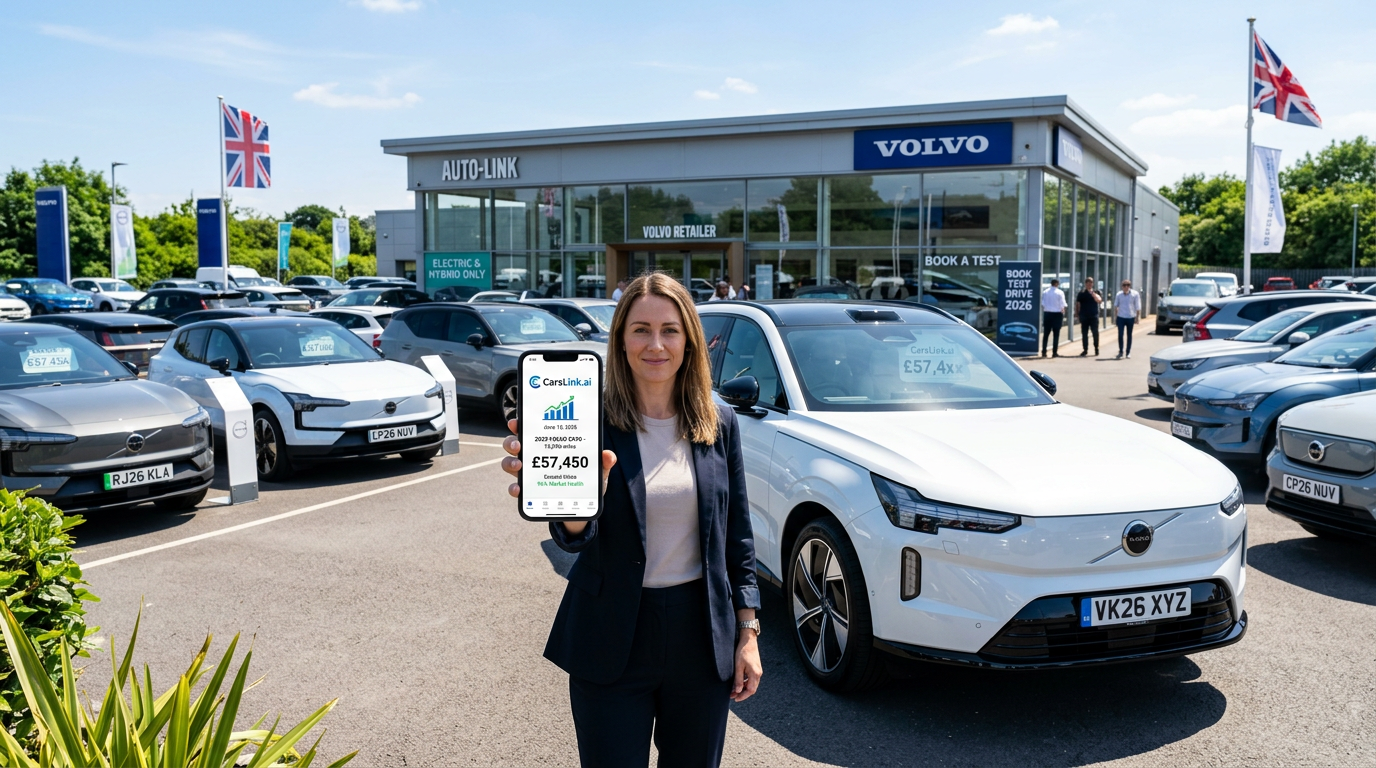
As we approach the height of the 2026 summer season, the UK used car market is experiencing a fascinating shift. With supply chains finally stabilised and a surge in demand for Euro-7 compliant hybrids and long-range EVs, many motorists are looking to upgrade.
If you are standing on your driveway looking at your current vehicle, you likely face the age-old dilemma: do you trade-in at a dealership while buying your next car, or do you sell to an instant cash buyer? In 2026, the answer isn’t as simple as it used to be.
The 2026 Market Landscape: What’s Influencing Prices?
The UK automotive landscape has changed significantly over the last 12 months. ULEZ-style zones have expanded into more regional cities, and the second-hand market for internal combustion engine (ICE) vehicles is bifurcating. Clean, low-mileage petrol hybrids are achieving record prices, while older diesels are seeing steeper depreciation.
Before choosing your selling route, you must understand your car’s current standing. At CarsLink.ai, we’ve observed that "Instant Buyers" have become incredibly sophisticated with AI-driven pricing, while traditional dealers are desperate for high-quality "retail-ready" stock to fill their forecourts.
1. The Instant Cash Buyer: Convenience at a Cost?
Instant buying platforms (like those popularized by the 'Webuyany...' model but evolved for 2026) have streamlined their operations. They offer home collections, instant bank transfers, and a "no-hassle" guarantee.
Pros:
- Speed: You can have the money in your account within 24 hours.
- Simplicity: No need to handle private viewings or worry about your MOT expiring next month.
- V5C Handling: They handle the DVLA notification instantly online.
Cons:
- The "Inspection Haircut": While their initial online valuation might look high, they are notorious for chipping away at the price for minor stone chips or a missing service stamp.
- Transaction Fees: Many still charge a "service fee" ranging from £50 to £150.
2. The Part-Exchange (Trade-In): The Seamless Upgrade
Trading in your car at a dealership remains the most common way to switch vehicles. When you sell your car to a dealer as part of a larger transaction, you aren't just selling an asset; you’re simplifying a move.
Pros:
- Tax Efficiency: You only pay the difference between the trade-in value and the new car’s price, which can occasionally reduce the total finance amount and interest on a PCP or HP agreement.
- Leverage: Dealers are more likely to "over-allow" on your trade-in if you are buying a premium vehicle from them.
- No Gap in Transport: You drive your old car to the dealership and drive the new one home. No days spent without a vehicle.
Cons:
- Complex Math: Dealers can "hide" the true value of your car by moving numbers around the finance deal, making it hard to see if you’re actually getting a good price.
- Specific Stock Needs: If you’re trading a diesel SUV at a specialist EV dealership, they will likely offer you "underwriting" price (what they can get for it at auction) rather than a retail price.
Comparing the Numbers: Summer 2026 Projections
To help you decide, we have analyzed the average "spread" between these two methods across three popular vehicle categories.
| Vehicle Type (3-5 Years Old) | Instant Buyer Offer | Dealer Part-Ex Offer | Winner |
|---|---|---|---|
| Family Hybrid (e.g., Tucson, Qashqai) | £18,500 | £19,250 | Dealer |
| Budget City Car (Petrol) | £7,200 | £6,800 | Instant Buyer |
| Premium EV (e.g., Model 3, Polestar 2) | £24,000 | £23,500 | Instant Buyer |
Why the difference?
In 2026, dealers are hungry for Family Hybrids because they are easy to resell on the forecourt. Conversely, Premium EVs are currently flooded in the wholesale market, meaning instant buyers—who have massive national reach—can often find a buyer more efficiently than a local independent dealer.
Key Strategies for Car Valuation in 2026
To ensure you get the absolute most for your vehicle this summer, follow these 2026-specific tips:
1. Check Your "Digital History"
By 2026, most manufacturers have moved to purely digital service records. Ensure your local garage has uploaded your latest service to the cloud. A "missing" digital record can knock 5-10% off your car valuation in 2026.
2. The "Clean Air" Premium
If your car is Euro-6 or Euro-7 compliant, shout about it. With more UK cities implementing Clean Air Zones (CAZ), these vehicles are in higher demand. Ensure you have your V5C ready to prove the emissions standard.
3. Professional Preparation
A £100 professional valet can often add £400 to a trade-in offer. Dealers are looking for cars that require "zero prep" for their summer sales events.
4. Use CarsLink.ai for Real-Time Data
Before stepping onto a forecourt, use CarsLink.ai to check the current market equilibrium. Knowing the exact "retail" price of your car allows you to spot a low-ball trade-in offer immediately.
The Verdict: Who Pays Most in Summer 2026?
Go with a Dealer (Trade-In) if: You are buying a newer, more expensive car and your current vehicle is a popular, mainstream hybrid or petrol car in excellent condition. The convenience of the "swap" and the potential for a better finance deal usually outweighs the raw cash price.
Go with an Instant Buyer if: You are "selling to quit" (not buying another car immediately), if your car is an EV with fluctuating market value, or if the vehicle has high mileage/minor damage that a franchise dealer wouldn't want on their front line.
Final Part-Exchange Tips for UK Sellers:
- Negotiate the two deals separately: Get the price of your new car fixed before mentioning your part-exchange.
- Be honest about condition: In 2026, instant buyers use high-resolution AI camera scans during collection; they will find that scratch you tried to hide.
- Road Tax (VED) Refund: Remember that your Road Tax does not transfer. The DVLA will automatically refund any full remaining months to you once the sale is registered—ensure you don't "include" it in the sale price.
Looking for the most accurate valuation before you sell? Explore our deep-dive tools at CarsLink.ai to stay ahead of the 2026 market trends.