Thefts & Tariffs: How Rising UK Vehicle Crime is Driving Up Used Car Insurance Costs
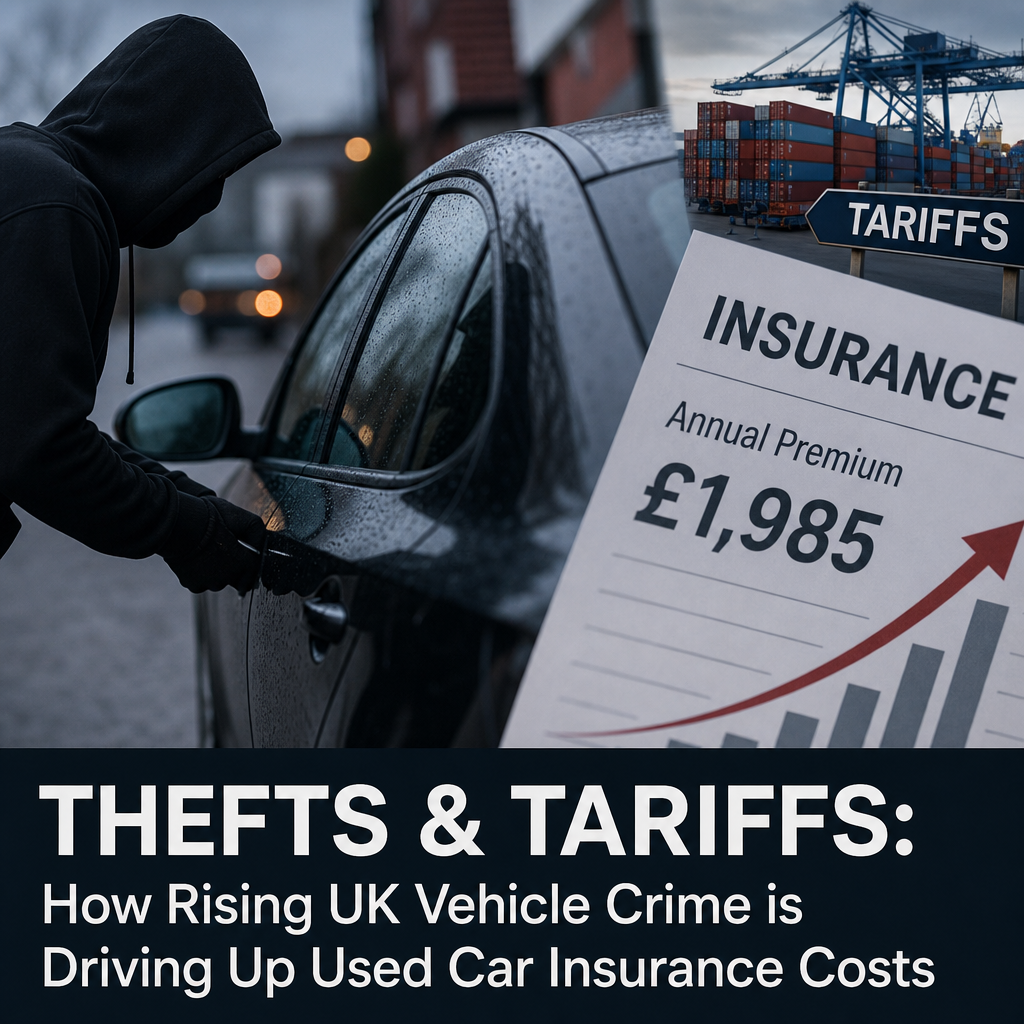
In a time when every penny counts, the rising cost of living has put pressure on household budgets across the UK. For motorists, this pinch is particularly felt in the ever-increasing price of car insurance. While factors like inflation and claims costs always play a part, there's a more sinister underlying issue driving up your premiums: the alarming surge in vehicle crime.
Here at CarsLink.ai, we understand that finding the right used car means balancing purchase price with ongoing running costs. Unfortunately, the days of finding a bargain used car only to get a pleasant surprise on your insurance quote are, for many, long gone. UK vehicle theft is no longer just a police statistic; it's a direct tariff on every driver, making car ownership more expensive than ever. Let's delve into how this unfortunate trend impacts your wallet and what you can do about it.
The Alarming Rise in UK Vehicle Theft: What's Being Stolen?
Vehicle theft in the UK has reached worrying levels, with statistics from the Office for National Statistics (ONS) and various police forces showing a consistent upward trend. From 2022 into 2023, for instance, some regions reported increases of over 20% in certain categories of vehicle theft. This isn't just about joyriding anymore; it's an organised criminal enterprise, with stolen vehicles often stripped for parts or exported overseas.
The type of cars targeted has also evolved. While any car can be a target, certain models are disproportionately affected due to their popularity, high demand for parts, or vulnerability to specific theft methods. Top of the list often include high-value SUVs like the Range Rover and Land Rover Discovery, along with popular family hatchbacks such as the Ford Fiesta and Focus, Vauxhall Corsa, and models from Mercedes-Benz, BMW, and Audi.
The method of theft has also become more sophisticated. "Relay attacks" on keyless entry cars, where criminals use signal boosters to trick your car into thinking the key fob is nearby, remain prevalent. However, a newer and increasingly worrying trend is the "can-bus attack" or "flashing" method. This involves criminals gaining access to the car's internal wiring (often by forcing the bonnet open or through a wheel arch) and manipulating the electronic control unit (ECU) to start the engine without a key. This method bypasses traditional immobilisers and has proven particularly effective against various popular models, leading to a significant spike in thefts of even relatively new vehicles. The ease with which these high-tech thefts can be executed means that even models previously considered secure are now at risk, pushing up the actuarial cost of insuring them.
From Crime Statistics to Your Premium: The Actuarial Equation
It might seem unfair that you pay more because someone else's car was stolen, but this is the fundamental principle of insurance: spreading risk. When vehicle theft rates climb, the cost to insurance providers for replacing stolen vehicles or paying out for damages inevitably increases. This isn't just a slight bump; it can run into millions of pounds annually for the larger insurers.
Actuaries, the mathematicians of the insurance world, constantly analyse vast datasets to assess risk. When they see a surge in thefts for a particular make, model, or even in a specific postcode area, this directly translates into a higher "risk profile" for similar vehicles and policyholders. For example, if you own a Ford Fiesta and live in an area with a high theft rate for that model, your premium will reflect that heightened risk, even if your car is parked securely.
Insurers consider a multitude of factors when calculating your premium, and vehicle theft risk is a significant one:
- Vehicle Make and Model: Is it on a 'most stolen' list? Are its parts expensive or in high demand? Is it known to be vulnerable to specific theft methods?
- Your Postcode: Unfortunately, your geographical location plays a huge role. Areas with higher crime rates, including vehicle theft, will invariably see higher premiums, regardless of your personal driving record.
- Overnight Parking Location: Do you park in a locked garage, on a driveway, or on the street? Each carries a different risk assessment.
- Security Features: The presence of Thatcham-approved immobilisers, alarms, and tracking devices can mitigate risk.
When insurers pay out more in claims, they adjust their pricing models to ensure solvency. This isn't about profit-gouging; it's a necessity to remain in business. Consequently, everyone bears the brunt of increased theft in the form of higher premiums, making the used car you're eyeing potentially much more expensive to run than its purchase price suggests.
Fortifying Your Used Car: Security Features and Smart Habits
While you can't control national crime rates, you can take proactive steps to protect your vehicle and potentially mitigate the impact on your insurance premiums. Investing in additional security, particularly for high-risk models, is becoming less of an optional extra and more of an essential safeguard.
Essential Security Features:
- Immobilisers: Most modern cars come with a factory-fitted immobiliser, but these can sometimes be bypassed by determined thieves.
- Thatcham-Approved Tracking Devices: For higher-value or high-risk vehicles, a professionally fitted, Thatcham-approved tracker (such as Category S5 or S7) can be invaluable. These use GPS and/or VHF technology to locate your vehicle if it's stolen, dramatically increasing the chances of recovery. Many insurers will offer a discount, or even require one, for their inclusion.
- Alarm Systems: Again, most cars have these, but upgrading to a more sophisticated alarm with tilt and motion sensors can provide an extra layer of defence.
- Physical Deterrents: Don't underestimate the power of visible security. Steering wheel locks, pedal boxes, and gearstick locks might seem old-fashioned, but they act as a strong visual deterrent and can make a car much harder to steal, particularly for opportunistic thieves.
- Faraday Pouches: If you have a keyless entry car, invest in a Faraday pouch (or a metal tin) for your key fob. This blocks the signal, preventing relay attacks when your key is inside.
- Dash Cams: While primarily for accident evidence, some dash cams offer parking surveillance modes that can record suspicious activity around your vehicle, providing crucial evidence if a theft or attempted theft occurs.
Smart Parking and Habits:
- Garages are Gold: If you have access to a garage, use it. Parking in a securely locked garage is almost always the safest option and can lead to lower premiums.
- Driveway vs. Street: A driveway is generally safer than street parking, especially if it's well-lit or overlooked by your home. Consider adding motion-sensor lighting.
- Well-Lit and Populated Areas: If street parking is your only option, choose a well-lit area with good footfall, rather than a secluded, dark spot.
- Remove Valuables: Never leave anything on show that might tempt a thief, even loose change.
- Double-Check: Always ensure your car is locked, windows are fully closed, and any security systems are activated before walking away.
By combining robust security features with vigilant habits, you not only make your vehicle less appealing to thieves but also demonstrate to insurers that you are a proactive policyholder, which can positively influence your premium over time.
Navigating the Insurance Minefield: Research Before You Buy
The golden rule for any used car buyer in today's climate is simple: always get insurance quotes for a specific vehicle before you commit to purchasing it. This cannot be stressed enough. The difference in insurance costs between two seemingly similar used cars can be staggering, often outweighing any savings you might have made on the purchase price.
Here's how to approach it:
- Gather Vehicle Details: When you've narrowed down your choices, get the full registration number of each car you're considering. If the reg isn't available, gather accurate details like make, model, trim level, engine size, fuel type, and age. The more precise you are, the more accurate your quote will be.
- Comparison Websites & Direct Insurers: Use reputable comparison websites (like Confused.com, CompareTheMarket, GoCompare) but also check a few direct insurers that may not be on these platforms.
- Provide Accurate Information: Be honest and accurate about your personal details, driving history, and especially your intended overnight parking location. Inaccurate information could invalidate your policy later.
- Check Security Features: Before getting a quote, verify what security features the used car already has. A factory-fitted Thatcham Category 1 alarm and immobiliser, or even an aftermarket tracker, can make a difference to the premium. Ensure you declare these accurately when getting a quote.
- Consider the Total Cost of Ownership: Don't just look at the upfront purchase price. Factor in the insurance, road tax, fuel efficiency, and potential maintenance costs. A "bargain" Range Rover might be cheap to buy used, but if the annual insurance premium is £2,000+, it's not much of a bargain. Conversely, an older, less 'desirable' model might have much more manageable insurance.
The used car market is dynamic, and the desirability of a model to thieves can change quickly. What might have been cheap to insure a few years ago might now be prohibitively expensive. Doing your homework before you shake hands on a deal will save you significant financial headaches down the line, ensuring that your dream used car doesn't become an insurance nightmare.
Conclusion
The rising tide of vehicle crime in the UK is an unfortunate reality, and its direct impact on used car insurance premiums is undeniable. As thieves become more audacious and technologically advanced, insurers are forced to adjust their risk assessments, leading to higher costs for everyone.
However, as a used car buyer, you are not powerless. By understanding the models most at risk, investing in proven security measures, adopting smart parking habits, and critically, researching insurance costs before you buy, you can navigate this challenging landscape more effectively. At CarsLink.ai, we believe in empowering you with knowledge. While the road ahead for motorists might be bumpier, a well-informed approach will help you secure your ideal used car without breaking the bank on its essential ongoing costs.