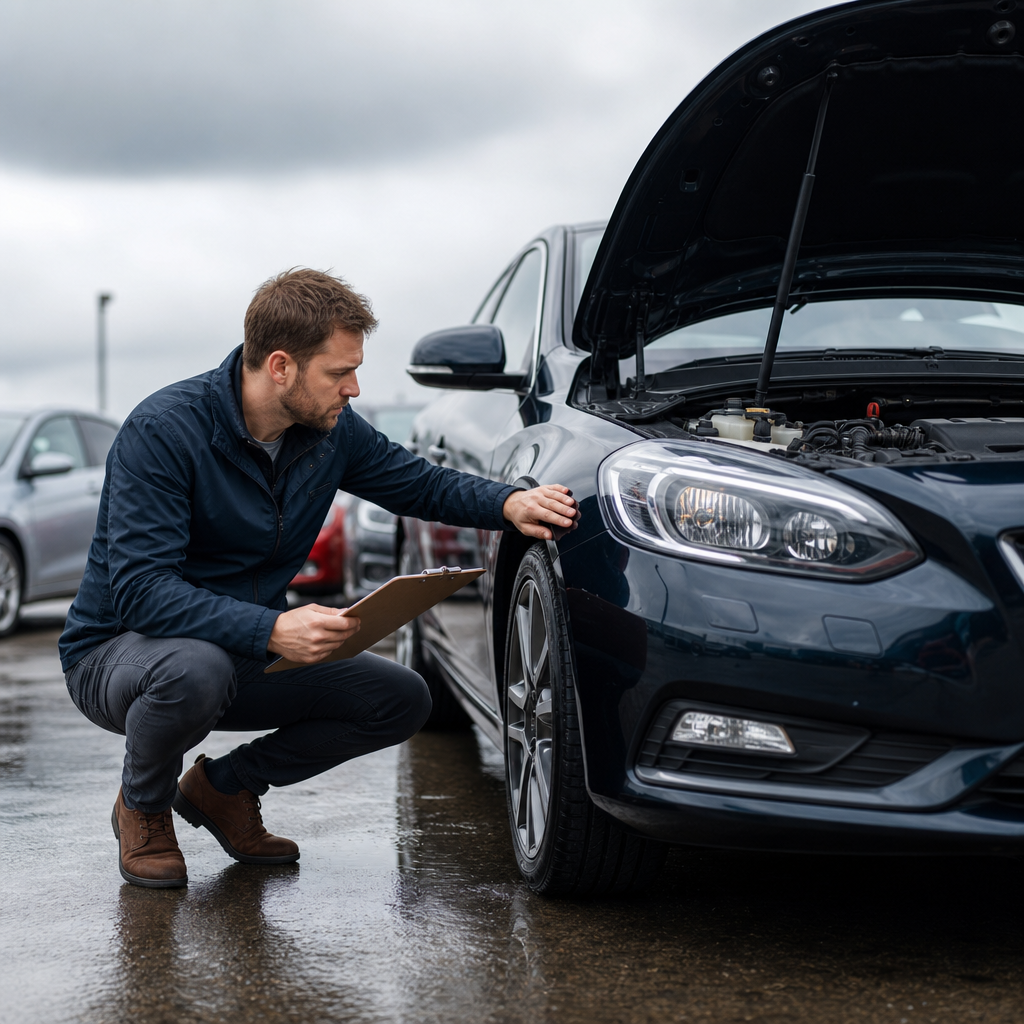
The Ultimate Used Car Inspection Checklist: What to Look For Before You Buy in the UK
Buying a used car can be an exciting prospect, offering fantastic value and a world of choice. But beneath the shiny exterior and tempting price tag lies the potential for hidden problems that could quickly turn your dream car into a financial headache. Here at CarsLink.ai, we believe in empowering our readers with the knowledge to make informed decisions. That's why we've compiled this comprehensive used car inspection checklist, designed specifically for the UK market, to guide you through a thorough assessment before you commit.
Taking your time and performing a meticulous inspection will significantly reduce your risk of buying a lemon. So, grab a notepad, a torch, and let's get started.
Exterior Essentials: Beyond the Shine
The first impression is crucial, but don't let a quick wash fool you. A close examination of the car's exterior can reveal a wealth of information about its past.
- Bodywork & Paint: Walk around the entire vehicle in good daylight. Look for dents, scratches, and stone chips. Pay particular attention to panel gaps – are they consistent? Uneven gaps, especially between panels that should align perfectly (e.g., bonnet to wing, door to door), can be a tell-tale sign of previous accident damage and repair work. Check for signs of resprays: mismatched paint colours between panels, overspray on rubber seals or trim, or a gritty texture. Run your hand along the sills and wheel arches, feeling for rust bubbles or signs of previous filler work. Check the door bottoms and tailgate for corrosion too.
- Tyres & Wheels: All tyres should be the same brand and type across each axle for optimal handling. Check the tread depth across the entire width of the tyre – legally, it must be at least 1.6mm, but more is always better. Look for uneven wear, which could indicate alignment issues or suspension problems. Inspect the sidewalls for cracks, bulges, or damage. Don't forget to check the condition of the spare tyre or the tyre repair kit. Also, look at the alloy wheels for curb rash or cracks.
- Lights & Glass: Test every single light – headlights (full beam and dipped), indicators, brake lights, reverse lights, fog lights, and even the number plate lights. Check for cracks or condensation inside the light clusters. Examine all glass for chips and cracks. A chip in the windscreen, especially in the driver's line of sight, could be an MOT failure or a costly repair. Check the heating elements on the rear screen and ensure the wing mirrors are intact and adjust properly.
Interior Deep Dive: Comfort, Controls, and Critical Warnings
Step inside and take your time to assess the cabin. The interior often tells a story about how the car has been treated and its true mileage.
- Wear and Tear: Examine the seats for rips, tears, excessive bolster wear (especially on the driver's side), or stains. Check the carpets and headlining for damage or dampness. The condition of the steering wheel, gear knob, and pedal rubbers can offer clues about mileage – heavily worn pedals on a low-mileage car should raise a red flag.
- Electronics & Features: Test every button and switch you can find. Do the electric windows go up and down smoothly? Do the central locking, heated seats, radio/infotainment system, air conditioning (does it blow cold?), and satellite navigation all work as they should? Don't forget the wipers and washer jets. A car with numerous non-functional electronic components can be expensive to fix.
- Dashboard Warnings: Before you start the engine, turn the ignition on. All warning lights (e.g., engine management, airbag, ABS, oil pressure) should illuminate briefly and then extinguish once the engine starts. If any lights remain on, or if they don't illuminate at all when the ignition is switched on, it’s a serious warning sign. Also, check the mileage displayed on the odometer against the service history – any discrepancies need immediate investigation.
- Odour Check: Take a good sniff. Any lingering smells of stale smoke, dampness, mould, or a burning smell can indicate underlying issues.
Under the Bonnet: The Heart of the Machine
The engine bay is where you get to peek at the car's vital organs. A clean engine bay is often a good sign, but don't let it distract you from performing crucial checks.
- Fluid Levels & Condition: Locate the dipstick and check the engine oil level and condition – it should be between the 'min' and 'max' marks and ideally a golden or dark brown colour, not black and sludgy. Check the coolant level in the expansion tank (when the engine is cold) – it should be clear, green, pink, or blue, not rusty or sludgy. Also, check brake fluid, power steering fluid, and washer fluid levels.
- Signs of Leaks: Look for any fresh drips or dried stains around seals, hoses, and underneath the engine bay. A small amount of oil misting might be normal on older cars, but active drips are not. Look underneath the car too – any puddles?
- Battery Condition: Check the battery terminals for corrosion, which can indicate poor maintenance or charging issues. Look for a date sticker on the battery to gauge its age. Try starting the car from cold – it should fire up without excessive cranking.
- Belts and Hoses: Inspect the drive belts (alternator, power steering, air con) for cracks, fraying, or excessive slack. Squeeze the main coolant hoses – they should feel firm but pliable, not rock hard or excessively soft and spongy.
- Engine Noise: With the engine running (before the test drive), listen for any unusual rattles, knocks, squeals, or hisses. A healthy engine should generally purr quietly.
The Crucial Test Drive: Putting it Through Its Paces
This is your opportunity to experience the car as a driver. Don't rush it; drive a route that includes varying speeds, corners, and perhaps a few speed bumps.
- Starting & Engine Performance: The engine should start easily from cold, with no excessive smoke from the exhaust (a little white condensation on a cold day is normal). As you drive, the engine should accelerate smoothly without hesitation, unusual noises, or warning lights appearing on the dashboard.
- Gearbox & Clutch: If it’s a manual, the clutch should engage smoothly without slipping or grabbing suddenly, and the biting point shouldn't be excessively high. Gear changes should be smooth and precise. For automatics, shifts should be seamless, without clunking or jolting.
- Brakes: Test the brakes gently at first, then more firmly. The car should stop in a straight line without pulling to one side, grinding, squealing, or pulsating through the pedal. Test the handbrake on a gentle incline to ensure it holds the car securely.
- Steering & Handling: The steering should feel smooth and responsive, with no excessive play. The car should track straight without needing constant correction. Listen for any knocking or clunking noises over bumps, which could indicate suspension issues. Test the steering at full lock in both directions – listen for groaning or grinding.
- Suspension: Drive over some speed bumps or uneven surfaces. Listen for any squeaks, creaks, or knocks that suggest worn suspension components like bushes, shock absorbers, or springs. The ride should feel composed, not overly bouncy or harsh.
- Air Conditioning: Reconfirm the air con blows cold after a few minutes of driving.
Paperwork Verification: The Unsung Hero
Even if the car looks and feels perfect, the paperwork is arguably the most critical part of your inspection. This is where you verify its legal standing and history.
- V5C Logbook (Registration Document): This is the official document that proves who the registered keeper is. Ensure the details on the V5C match the car (make, model, VIN – Vehicle Identification Number) and that the seller’s name and address match those on the document if you’re buying privately. Check the number of previous keepers – generally, fewer is better.
- Service History: A full service history (FSH) is always preferred, demonstrating consistent maintenance. Look for stamps from main dealers or reputable independent garages. Check for gaps in the service history and ensure the mileage recorded at each service aligns with the car's current mileage and MOT history.
- MOT Certificates: Use the government's free online MOT history check (gov.uk/check-mot-history) to review the car's MOT history for the past 12 years. This will show advisories, failures, and recorded mileages. Look for consistency in mileage readings and investigate any advisories that haven't been addressed.
- HPI Check: We strongly recommend getting an independent HPI check (or similar vehicle history check). This will verify if the car has any outstanding finance, has been reported stolen, has been written off in an accident, or has had its mileage tampered with. It's a small investment for significant peace of mind.
Conclusion
Buying a used car is a significant investment, and taking the time to perform this comprehensive inspection can save you a great deal of money and stress in the long run. Don't be afraid to ask questions, take photos, and if you're still unsure, consider bringing a trusted mechanic or opting for a professional pre-purchase inspection. By following this checklist, you'll be well-equipped to spot potential problems and drive away with confidence, knowing you've found a great used car right here on CarsLink.ai. Happy motoring!