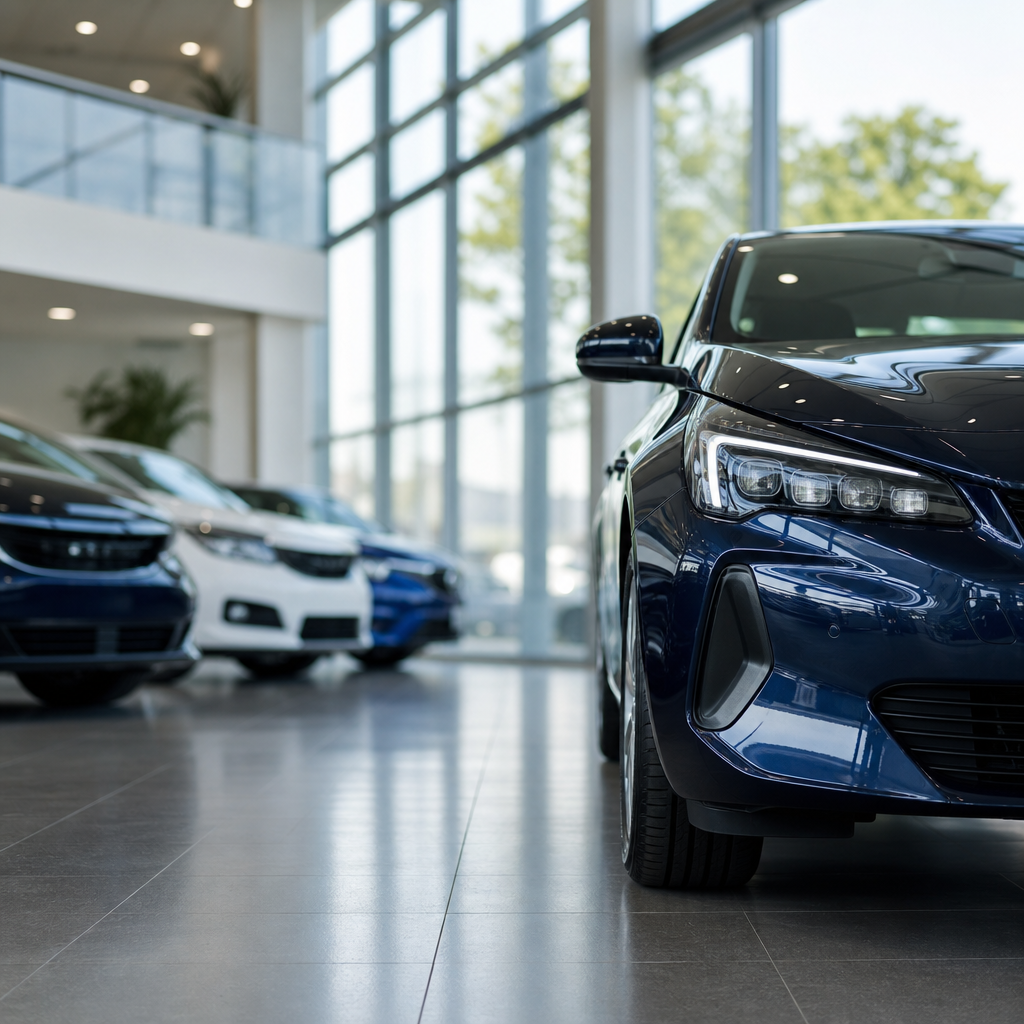
The Savvy Buyer's Checklist: What to Look for During a Used Car Test Drive in the UK
In the often-thrilling, sometimes daunting world of used car buying, the test drive is your most powerful tool. It's more than just a quick spin around the block; it's your opportunity to uncover a vehicle's true condition, assess its suitability for your needs, and ultimately, safeguard your investment. A car might look gleaming in the photos, but it’s beneath the surface and behind the wheel that its real story unfolds.
As your trusted guide at CarsLink.ai, we've put together a comprehensive checklist to empower you, the savvy buyer, to conduct a thorough and insightful test drive. Armed with these tips, you'll be able to identify potential red flags and drive away with confidence.
1. The Initial Walk-Around: More Than Skin Deep
Before you even turn the key, a detailed inspection of the car’s exterior and interior can reveal a wealth of information. This is where you look for consistency and tell-tale signs of neglect or hidden problems.
Exterior Examination:
- Lighting and Panels: Perform this check in good daylight. Look for any inconsistencies in panel gaps between doors, wings, and bonnets – uneven gaps can indicate previous accident damage or poor repair work. Check all lights (headlights, indicators, brake lights, fog lights) for cracks or condensation.
- Paintwork and Body: Scrutinise the paint for scratches, dents, and stone chips. Pay particular attention to common rust spots like wheel arches, sills, and around windows. Look for paint overspray, which might suggest resprays following an accident.
- Tyres and Wheels: All four tyres should ideally be of the same brand and have even wear across the tread. Uneven wear points to potential alignment issues. Check the tread depth – the legal minimum is 1.6mm, but more is always better. Look for cracks in the sidewalls and ensure the wheels themselves are free from excessive kerbing or dents. Don't forget to check for a spare tyre or inflation kit in the boot.
- Windscreen and Glass: Look for chips, cracks, or deep scratches that could be an MOT failure or costly to repair. Ensure wiper blades aren't perished.
Interior Inspection:
- Odour: Step inside and take a good sniff. A musty smell could indicate damp, while lingering cigarette smoke is often hard to remove. An overly strong air freshener might be masking something.
- Seats and Upholstery: Check for rips, tears, or excessive wear, particularly on the driver’s seat bolster and pedals, which should correlate with the car's mileage. Test the seat adjustments (forward/back, height, recline).
- Dashboard and Controls: Look for cracks or damage. Before starting the engine, check that all dashboard warning lights illuminate briefly and then extinguish as they should.
- Boot and Under Bonnet: Lift the boot floor to check for damp, rust, or signs of accident repair. Under the bonnet, look for obvious fluid leaks, corrosion, or poorly fitted components.
2. Ignition On: Listening for Clues
Once you've completed your initial walk-around, it's time to bring the engine to life. Ideally, you want to test the car from a cold start, as some issues are only apparent before the engine warms up.
Starting the Engine:
- Effortless Start: The engine should fire up without excessive cranking or hesitation.
- Exhaust Smoke: Observe the exhaust for a few moments. Blue smoke indicates burning oil, white smoke (which doesn't quickly dissipate) could mean a head gasket issue, and black smoke suggests an overly rich fuel mixture. A little white condensation on a cold day is normal.
- Dashboard Warnings: As mentioned, all warning lights should illuminate briefly and then extinguish. Any persistent warning lights (e.g., engine management, airbag, ABS) are a major red flag and require immediate investigation.
Idling Observations:
- Engine Sound: Listen for a smooth, consistent idle. Any knocking, tapping, hissing, squealing, or grinding noises are cause for concern.
- Vibrations: Feel for excessive vibrations through the steering wheel, pedals, or seats. A healthy engine should be relatively smooth.
- RPM Stability: The engine's revolutions per minute (RPM) should remain stable once it's settled into an idle. Fluctuations can indicate underlying engine issues.
3. On the Road: Putting it Through Its Paces
Now for the main event! Plan a varied test route that includes urban streets, open roads, and if possible, some bumps or uneven surfaces. Don't be afraid to put the car through its paces, within legal limits.
Steering and Handling:
- Steering Feel: The steering should feel smooth, responsive, and consistent. Is it too light or too heavy? Is there any excessive play or slack in the wheel?
- Straight-Line Stability: On a flat, straight road, does the car maintain a straight line, or does it pull to one side? This could indicate alignment issues or suspension problems.
- Cornering: Take some corners at a sensible speed. Listen for any groaning or grinding noises that might suggest worn wheel bearings or steering components.
Braking Performance:
- Smooth Stopping: Apply the brakes progressively. They should feel firm and provide smooth, linear stopping power without feeling spongy or overly sensitive.
- Noises and Vibrations: Listen for any grinding (worn pads), squealing, or juddering through the pedal (warped discs). The car should brake in a straight line without pulling to one side.
- Handbrake: On a slight incline, test the handbrake to ensure it holds the car securely.
Acceleration and Engine Performance:
- Power Delivery: Accelerate through the gears. The power delivery should be smooth and consistent, without any hesitation, flat spots, or excessive smoke from the exhaust under load.
- Engine Noises: Listen for unusual noises during acceleration, such as a loud whine, rattling, or clunking. A gentle turbo whistle is normal for turbocharged engines, but anything louder might indicate a problem.
- Gearbox (Manual): Check that all gears engage smoothly without crunching or difficulty. The clutch bite point should be easy to find and not too high or low.
- Gearbox (Automatic): Shifts should be smooth and unobtrusive, without any jerking, slipping, or delayed engagement. Test both upshifts and downshifts.
Suspension and Ride Comfort:
- Over Bumps: Drive over speed bumps or uneven surfaces slowly. Listen for any loud clunks, rattles, creaks, or excessive bouncing, which could indicate worn shock absorbers or suspension bushes.
- Ride Quality: Does the car feel overly harsh, too bouncy, or just right for your preferences?
4. Gadgets and Comforts: Every Button Counts
Modern cars are packed with technology. During your test drive, take the opportunity to check every feature to ensure full functionality.
- Climate Control/AC: Test all fan speeds and ensure both hot and cold air work effectively. If the car has air conditioning, ensure it blows genuinely cold air within a few minutes.
- Windows and Mirrors: Operate all electric windows up and down fully. Test the electric mirror adjustments, and if applicable, the folding mirror function.
- Infotainment System: Check the radio, Bluetooth connectivity, navigation (if fitted), and any USB/AUX ports.
- Wipers and Washers: Test both front and rear wipers and screenwashers.
- Lighting: Check all external lights (full beam, dipped beam, indicators, brake lights, reverse lights, fog lights) and internal lights.
- Safety Features: If the car has features like parking sensors, a reverse camera, blind-spot monitoring, or cruise control, test them out where safe and possible.
- Seats: Test any heated seats, lumbar support, or electric seat adjustments.
- Horn: Give it a quick toot!
5. Post-Drive Checks and Questions
Once you've completed your drive, park the car and perform a final check.
- Under the Bonnet: Open the bonnet again. Look for any new leaks, strange smells (e.g., burning oil or coolant), or excessive heat that wasn't apparent before.
- Around the Car: Quickly walk around the vehicle again, looking for any new drips or puddles underneath.
- Talk to the Seller: This is your chance to ask any questions that arose during the test drive.
- Ask about the car's service history: Is it full? When was the last service?
- Inquire about any recent work done or known issues.
- Why are they selling the car?
- If you noticed something specific, ask for clarification.
Drive Away with Confidence
The test drive is your crucial moment to assess a used car. Don't feel rushed, take your time, and follow this checklist meticulously. If something feels off, or you have any doubts, don't hesitate to walk away or, even better, arrange a pre-purchase inspection by an independent mechanic. A thorough test drive is your best defence against buying a lemon and ensures you're making a savvy, informed decision on your next vehicle. Happy hunting!