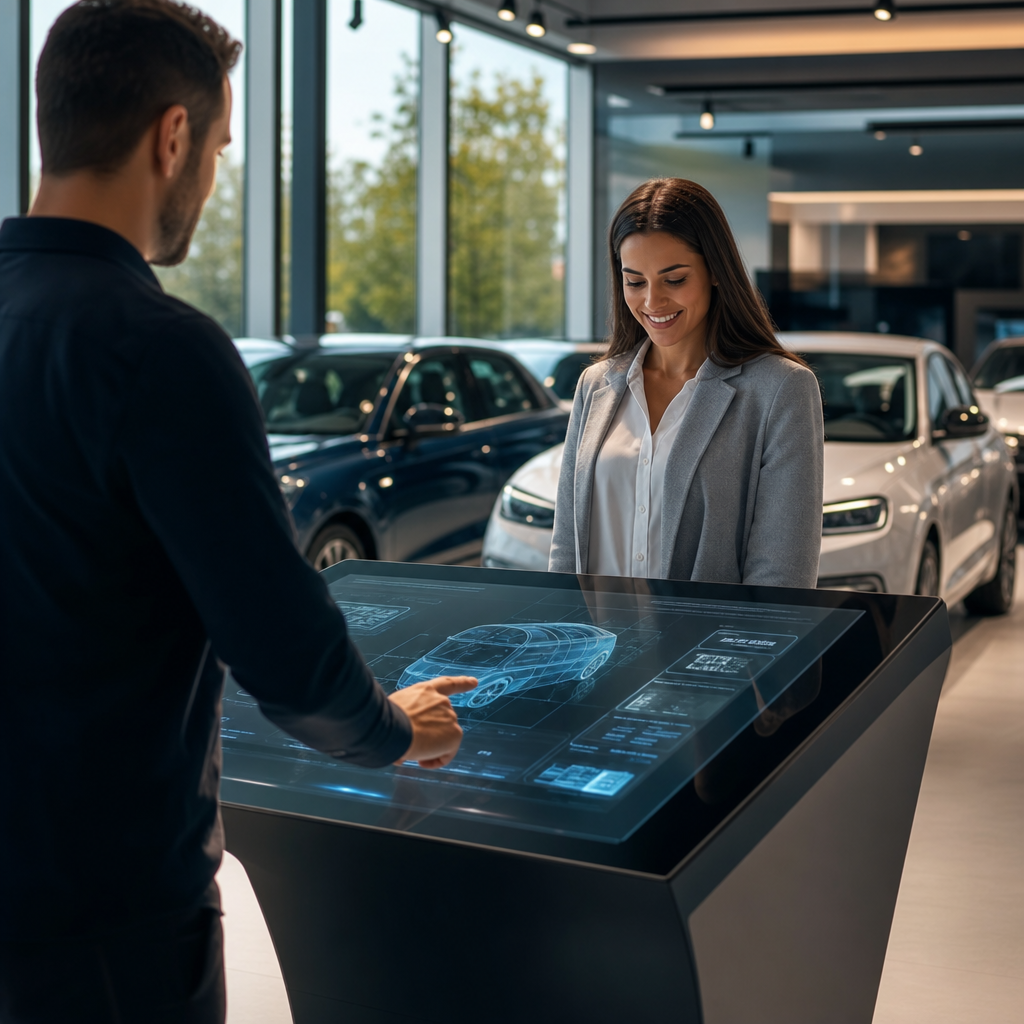
The Digital Forecourt: How AI is Reshaping the UK Used Car Dealership Experience
The automotive landscape, particularly the bustling UK used car market, is in the midst of a profound transformation. What was once a purely tactile, in-person experience on the forecourt is rapidly evolving into a sophisticated blend of digital convenience and human interaction. At the heart of this evolution lies Artificial Intelligence (AI) – a technology no longer confined to sci-fi films, but actively reshaping how dealerships operate and how customers find their next car. For dealers, AI represents an unprecedented opportunity for efficiency and profitability. For buyers on platforms like CarsLink.ai, it promises a more personalised, seamless, and ultimately satisfying journey.
This isn't about replacing the handshake or the thrill of a test drive; it's about empowering every stage of the process with intelligence. Let's delve into how AI is redefining the UK used car dealership experience, from stock management to personalised customer engagement.
AI in Stock Management and Predictive Pricing Strategies
One of the biggest headaches for any used car dealer has historically been balancing stock levels with market demand and pricing vehicles competitively yet profitably. Guesswork and intuition, whilst valuable, can only go so far in today's fast-moving market. This is where AI truly shines.
AI-powered systems can ingest and analyse colossal amounts of data in real-time – everything from historical sales figures, current listings on CarsLink.ai and competitor sites, auction results, depreciation trends for specific makes and models, to even micro-level factors like optional extras (e.g., heated seats, panoramic sunroofs) and service history.
For Stock Acquisition: AI helps dealers identify popular models and predict future demand with remarkable accuracy. It can flag regional preferences – for example, a surge in demand for compact SUVs in the South East, or economical city cars in urban hubs. This insight allows dealers to acquire the right vehicles at the right price, reducing the risk of holding unpopular stock and freeing up capital. Imagine being able to confidently purchase a particular hybrid estate car because AI data predicts a 20% higher likelihood of a quick sale in your catchment area over the next quarter.
For Dynamic Pricing: Gone are the days of static pricing. AI algorithms can dynamically adjust vehicle prices based on a multitude of factors: current market value, competitor pricing, the car's unique specifications (mileage, condition, gearbox type), and even how long it's been on the forecourt. This ensures that vehicles are priced optimally – competitively enough to attract buyers quickly, but high enough to maximise profit margins. For instance, an AI might recommend adjusting the price of a 2018 Volkswagen Golf with 50,000 miles by £300, knowing it will still yield a healthy profit whilst speeding up the sale significantly compared to a flat, higher rate. This precision leads to faster stock turnover and reduced holding costs, directly impacting the dealership's bottom line.
Personalised Customer Experiences Through AI-Driven Vehicle Recommendations
In an era of endless choice, generic browsing can be overwhelming for customers. AI is transforming the car buying journey by making it highly personalised, mirroring the tailored experiences consumers now expect from online retail giants.
How does it work? AI algorithms analyse a customer's digital footprint across platforms like CarsLink.ai and dealership websites. This includes browsing history, search filters used, time spent on specific vehicle pages, saved searches, past enquiries, and even demographic data if available. By piecing together these data points, AI can build a comprehensive profile of a potential buyer's preferences, budget, and lifestyle needs.
Intelligent Suggestions: Instead of simply showing every available car, AI can then intelligently recommend vehicles that genuinely align with these preferences. If a customer frequently searches for "family cars," "low mileage," and "automatic gearbox," the AI won't waste their time with a high-mileage manual sports car. Instead, it will highlight relevant Skoda Kodiaqs, Ford Kugas, or Nissan Qashqais, perhaps even suggesting specific trim levels or features that match their observed interests (e.g., integrated sat-nav or a large boot space).
This level of personalisation extends beyond just vehicle type. AI can also suggest suitable finance options based on estimated affordability and even recommend additional services or accessories. The result is a far more efficient and satisfying experience for the customer, cutting down decision fatigue and helping them discover their ideal car quicker. For dealerships, this translates to higher engagement, better quality leads, and ultimately, improved conversion rates.
Automating Lead Generation and Enhancing Customer Service Interactions
The traditional sales funnel can be resource-intensive, requiring significant human input at every stage. AI is stepping in to automate repetitive tasks, streamline lead generation, and enhance customer service, allowing sales teams to focus on high-value interactions.
24/7 AI Chatbots: Perhaps the most visible application of AI in customer service comes in the form of intelligent chatbots on dealership websites. These bots are available round-the-clock, providing instant answers to frequently asked questions (FAQs) – whether it’s about opening hours, the availability of a specific model, or basic finance queries. A customer browsing a car on CarsLink.ai late at night can instantly ask a chatbot about the car’s service history or if it has parking sensors, getting an immediate, accurate response and potentially scheduling a test drive for the next day.
Lead Qualification and Scoring: Beyond basic queries, AI-powered chatbots can engage in more sophisticated conversations, pre-qualifying leads by asking about budget, preferred vehicle type, and any trade-in requirements. Furthermore, AI systems can analyse website visitor behaviour (e.g., pages visited, time spent, specific calls to action clicked) to assign a "lead score," identifying the most serious buyers who are ready for a human interaction.
Seamless CRM Integration: These qualified leads and the entire interaction history are then seamlessly fed into the dealership's Customer Relationship Management (CRM) system. This allows sales staff to pick up conversations exactly where the AI left off, armed with valuable context and insights. This efficiency means sales teams are spending less time on generic enquiries and more time nurturing high-potential buyers, resulting in a more productive and targeted sales process.
Preparing Your Dealership for the Future of Digital Integration
The march of AI into the automotive sector is not a fleeting trend; it’s a fundamental shift. For UK used car dealerships, embracing digital integration and AI isn't just about gaining a competitive edge – it's increasingly about survival in an market driven by evolving customer expectations.
Embrace the Technology: The first step is to recognise the immense potential of AI. Start by exploring accessible AI tools that can integrate with your existing systems, whether it’s dynamic pricing software, intelligent chatbots, or advanced CRM solutions. The initial investment should be viewed as a strategic move that pays dividends in efficiency and profitability.
Foster a Data-Driven Culture: AI thrives on data. Dealers need to prioritise collecting clean, comprehensive data and understand its value. This involves ensuring your website analytics are robust, customer interactions are logged, and sales data is meticulously recorded. The richer your data, the more intelligent and effective your AI tools will be.
Invest in Staff Training: AI isn't about replacing your sales team; it's about empowering them. Provide thorough training to your staff on how to leverage AI tools effectively. Help them understand that AI is an assistant, handling repetitive tasks and providing valuable insights, allowing them to focus on building relationships and closing deals. The human touch remains crucial, but it will be an enhanced, more informed human touch.
Blend Online and Offline: The future of car sales is a seamless hybrid experience. Customers will start their journey online, perhaps researching cars on CarsLink.ai, interacting with chatbots, and receiving personalised recommendations. The dealership must be ready to pick up that journey effortlessly when the customer walks through the door for a test drive or a detailed discussion. This requires integration between your digital platforms and your physical forecourt operations.
Ethical Considerations: As with any powerful technology, ethical considerations surrounding data privacy and transparent AI use are paramount. Dealerships must ensure they are compliant with GDPR regulations and communicate clearly how customer data is being used to enhance their experience.
Customers are already accustomed to AI-driven personalisation in other aspects of their lives, from online shopping to streaming services. They will increasingly expect the same level of intelligence and convenience when buying a car. Dealerships that proactively adapt will not only meet these expectations but surpass them.
Conclusion
The digital forecourt powered by AI is no longer a distant vision; it's a rapidly unfolding reality for the UK used car market. From intelligent stock management and dynamic pricing that boosts profitability, to hyper-personalised recommendations and 24/7 customer service, AI is fundamentally reshaping the entire dealership experience.
For dealers, this means unprecedented opportunities for efficiency, cost reduction, and increased sales. For customers, it translates into a more intuitive, transparent, and satisfying journey towards finding their perfect vehicle. Those dealerships that embrace AI, integrate it thoughtfully, and train their teams to harness its power will not just survive the evolving landscape, but truly thrive, setting the benchmark for the future of car sales in the UK. The future of buying and selling used cars is undeniably intelligent, and it’s happening right now.