In 2026, the UK used car market remains a complex landscape. With the rising cost of new electric vehicles (EVs) and the scarcity of affordable petrol models, many buyers are turning their attention to the salvage market. Specifically, Cat S (Category S) write-offs are appearing on forecourts with tempting price tags, often 25% to 40% lower than their "clean" counterparts.
However, saving money at the point of purchase carries inherent risks. When dealing with structural damage car safety, you aren't just buying a vehicle; you are buying a repair. This guide explores how to navigate the ABI salvage code UK in 2026 and ensure your 'bargain' isn't a safety liability.
What is a Cat S Write-Off in 2026?
The Association of British Insurers (ABI) updated its salvage categories years ago to focus on the type of damage rather than just the repair cost.
- Category S (Structural): The vehicle has sustained damage to its structural frame or chassis. This includes the inner wing, crumple zones, pillars, or chassis rails. While the damage is repairable, the insurer decided that the cost of professional repair exceeded the vehicle's market value.
- The 2026 Context: With modern ADAS (Advanced Driver Assistance Systems) being standard on almost all cars on the road today, even minor structural shifts can misalign radar and LiDAR sensors, making Category S repairs more technical than ever before.
The Vital Importance of Provenance Checks
Before you even step onto a forecourt, a used car provenance check is non-negotiable. While the V5C logbook will state the vehicle has been salvaged, a comprehensive history check via CarsLink.ai can provide deeper insights.
In 2026, a high-quality check should reveal:
- The Date of Incident: Helps you understand if the car was repaired during a period of parts shortages.
- The Salvage Auction Images: Seeing the "before" photos is the most effective way to judge the severity of the impact.
- Outstanding Finance: Just because a car was written off doesn't mean the previous debt was settled.
Structural Integrity: The Risks of Poor Repairs
Structural integrity is the car's ability to protect its occupants during a second impact. When a car undergoes serious structural repair, the metal may have been heated, pulled, or welded. If not done to manufacturer standards, the "crumple zones" may no longer crumple as intended.
Key Areas to Inspect:
- Chassis Rails: Look for ripples in the metal or uneven paint finishes in the engine bay.
- The 'A', 'B', and 'C' Pillars: Check for smooth door operation. If a door sticking or the gaps between panels (shut lines) are uneven, the frame may still be tweaked.
- Dashboard Alignment: A shimmy or gap in the interior plastics often indicates the main bulkhead was moved during the initial crash.
| Feature | Standard Used Car | Cat S Repaired Car |
|---|---|---|
| Market Value | 100% | 60% - 75% |
| Insurance Premiums | Standard | Often 20-30% Higher |
| Resale Difficulty | Low | High (Many dealers won't part-ex) |
| Safety Assurance | Manufacturer Warranty | Dependent on Repairer Quality |
Navigating the Legalities: DVLA & MOT
When a car is classed as Cat S, the insurance company notifies the DVLA. As a buyer in 2026, you must ensure:
- The V5C is Present: The logbook must clearly state the car is a "repaired salvage."
- New MOT: While an MOT doesn't specifically test the quality of a structural repair (it only tests roadworthiness at that moment), a fresh certificate is a bare minimum requirement.
- Road Tax: There are no specific road tax penalties for Cat S cars, but ensure the CO2 emissions data remains accurate on the V5C, as this dictates your annual VED rate.
Insurance Challenges in 2026
Many mainstream insurers have tightened their criteria for Cat S vehicles in 2026. While you can find cover, be prepared for:
- Engineer’s Reports: Some insurers will demand an independent inspection (such as from the Autoguard or the IVR) to prove the car is safe before they grant a policy.
- Reduced Payouts: In the event of a future claim, the insurer will only pay out the "market value" of a Cat S car, not a standard model. This can lead to a significant financial gap if you have the car on a personal loan.
How to Buy a Cat S Safely: A Checklist
If you have found a Cat S vehicle that looks like a great deal, follow this protocol to protect your investment:
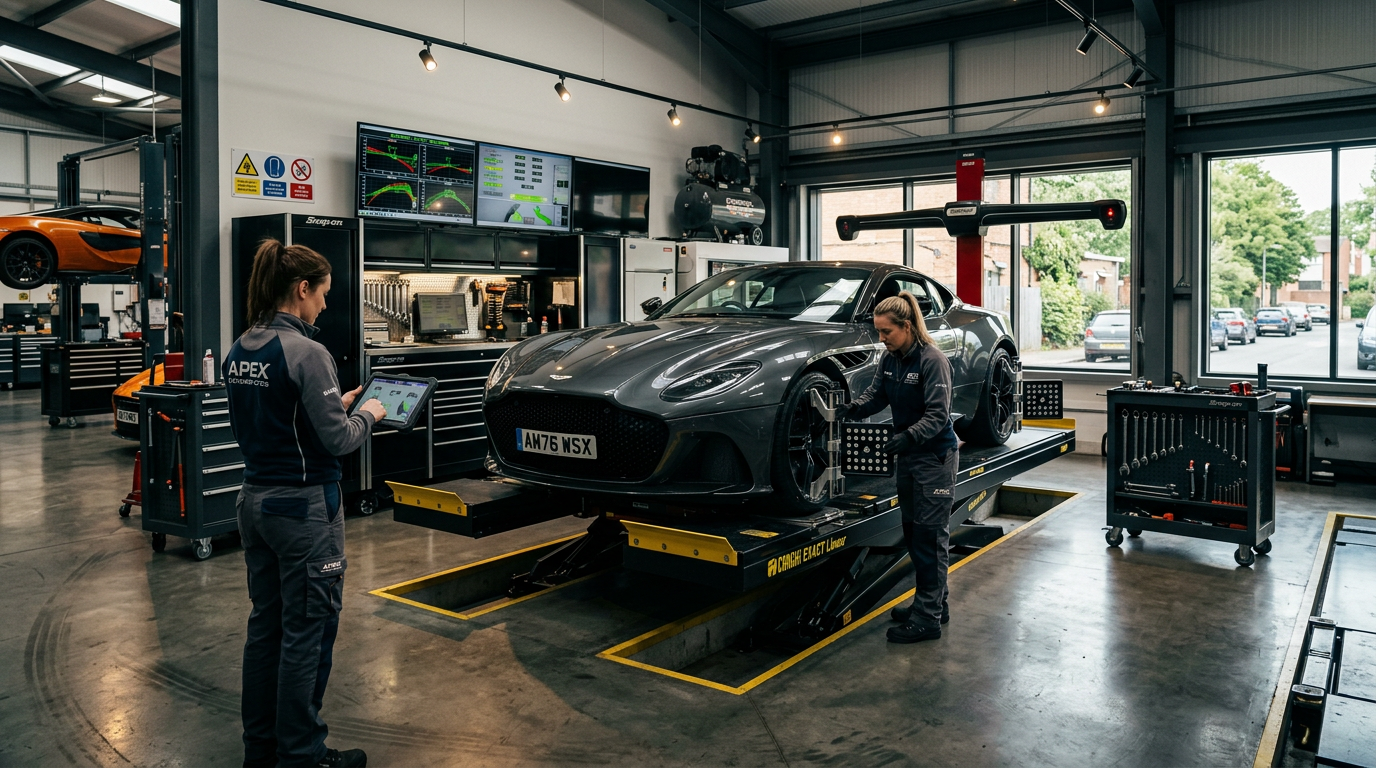
- Demand Repair Documentation: Ask for invoices from the body shop. In 2026, reputable repairers use "computerised chassis alignment" systems. Ask for the printout.
- Check the ADAS Calibration: Ensure a certificate exists showing that the emergency braking and lane-keep sensors have been recalibrated. A structural hit often knocks these out of alignment.
- Independent Inspection: Spend the £200-£300 on a professional vehicle inspection (RAC, AA, or independent engineer). They use paint depth gauges to find hidden filler and check the structural welds.
- Use CarsLink.ai: Run a full history check to ensure there are no hidden "Cat N" (Non-structural) or "Cat D" markers from earlier in the car's life.
Is a Cat S Worth It?
A Category S vehicle can be a brilliant way to get into a high-spec 2024 or 2025 model for a fraction of the cost. However, it is rarely a "smart" financial move for those who plan to change cars every two years. Because of the stigma attached to the Cat S write off rules 2026, your resale audience will be much smaller.
Buy a Cat S if: You plan to keep the car for 5+ years, you have verified the repair quality, and the price saving is substantial enough to offset higher insurance and lower resale.
Avoid a Cat S if: You are using high-interest finance, you want a manufacturer warranty, or you are uncomfortable with the technical history of the vehicle.
Conclusion
Buying a Cat S vehicle in 2026 requires more due diligence than ever before. While modern repair techniques are impressive, the complexity of 2020s vehicle architecture means there is no room for "back-street" shortcuts.
Before making a deposit, ensure you have the full picture. Use CarsLink.ai to verify the vehicle's history and provenance, giving you the peace of mind that your structural "bargain" is truly safe for the road.
Ready to check a vehicle's history? Visit CarsLink.ai today for an instant, comprehensive UK vehicle provenance report.