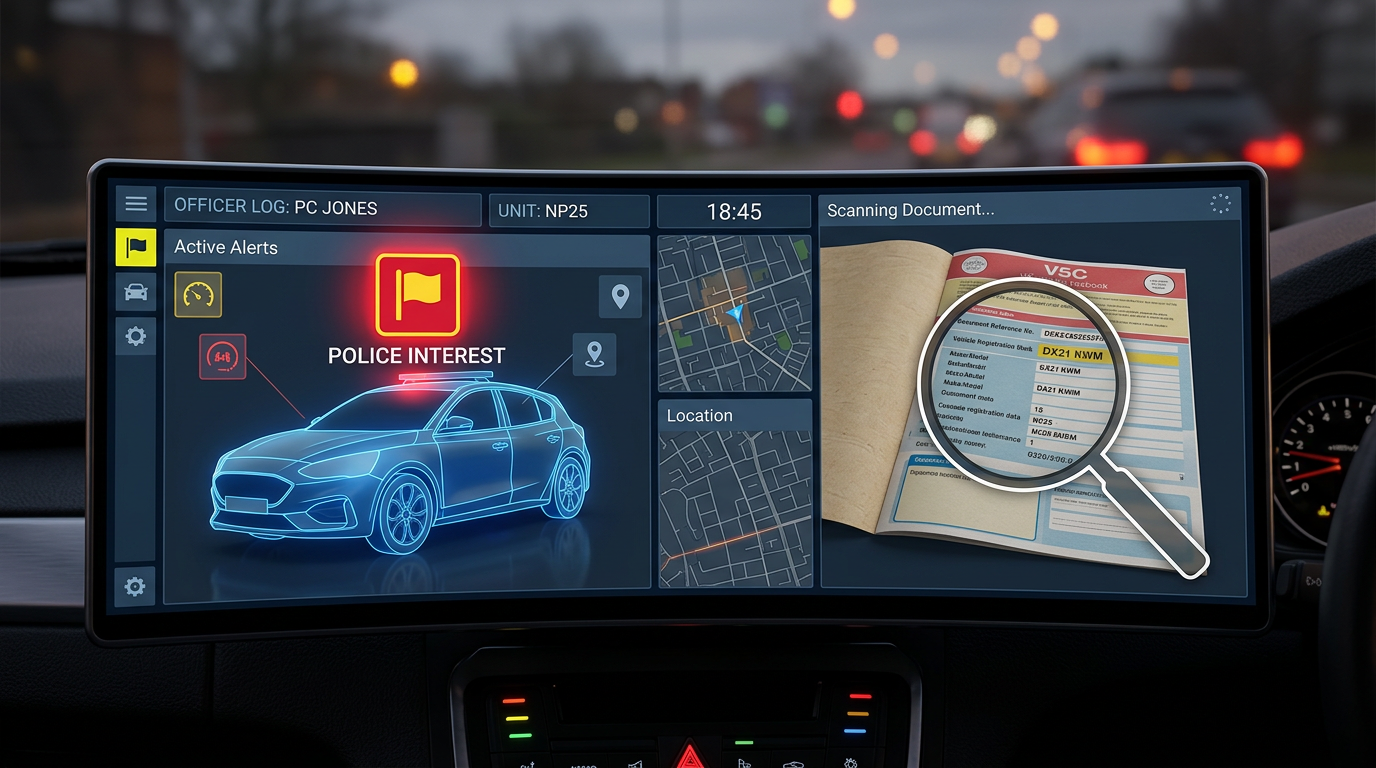
In 2026, the UK used car market remains as buoyant as ever, fueled by the maturation of early-decade electric vehicles and a shift toward high-tech hybrid stock. However, one perennial issue continues to trap unwary buyers: the legal quagmire of stolen vehicle recovery.
While a 'stolen-recovered' car might look like a bargain on paper, the legal complexities surrounding ownership—specifically under the Theft Act 1968—can turn a dream purchase into a financial nightmare. At CarsLink.ai, we believe transparency is the bedrock of a safe transaction. Before you sign a V5C or commit to a PCP agreement, you need to understand the hidden risks of 'Legal Title' and why a car isn't always "yours" just because you paid for it.
The Legal Reality: The Theft Act 1968 and 'Good Title'
Under UK law, specifically the Theft Act 1968, a person is guilty of theft if they "dishonestly appropriate property belonging to another with the intent of permanently depriving the other of it."
The crucial takeaway for car buyers is the concept of nemo dat quod non habet—"no one gives what they do not have." In simple terms, if a car was stolen, the thief never gained the legal right to sell it. Consequently, they cannot pass a 'Good Title' to a buyer.
The Chain of Ownership
When a car is stolen and subsequently settled by an insurance company, the legal title (the right of ownership) transfers from the original owner to the insurer. If that vehicle is later recovered by the police:
- The Insurer Owns the Car: Even if you bought it in "good faith" from a private seller, the insurance company remains the legal owner.
- Repossession Risks: If the insurer discovers the vehicle’s location, they have a legal right to repossess it without compensating the innocent buyer.
- The V5C Fallacy: It is a common misconception that holding the V5C logbook proves ownership. It does not; it merely identifies the 'Registered Keeper.'
Stolen Vehicle Recovery: The Three Categories
When a vehicle is recovered by the police, its journey back into the market usually follows one of three paths. Understanding these is essential for assessing risk.
| Category | Description | Legal Risk |
|---|---|---|
| Unlocked/Clear | Recovered with no damage, returned to owner/insurer. | Low, provided history is cleared. |
| Insurance Write-off (Cat S/N) | Recovered but with structural or non-structural damage. | High; requires meticulous inspection. |
| The 'Ghost' Recovery | Recovered but markers remain on the police database. | Critical; risk of seizure by authorities. |
The "Police Interest Check": Why It Matters in 2026
By 2026, police technology has advanced significantly. With the widespread integration of ANPR (Automatic Number Plate Recognition) cameras and real-time database syncing, driving a vehicle with an active 'stolen' marker is a recipe for disaster.
A Police interest check is a specific deep-dive query into the Police National Computer (PNC). If you buy a stolen-recovered car that hasn't had its 'stolen' flag officially cleared by the recovering force, you risk being pulled over, the vehicle being seized, and potentially being questioned under suspicion of handling stolen goods.
At CarsLink.ai, we always recommend a comprehensive provenance check that includes active police interest markers. Never rely on the seller's word that "the marker has been removed"—verify it independently.
Protecting Your Legal Title: Due Diligence Checklist
Buying a previously stolen car isn't always a "bad" move—some are excellent value—but you must protect your investment. Follow these steps to ensure you are obtaining legal title:
1. Verify the HPI Status
An HPI or provenance check is non-negotiable. Look for:
- Stolen Markers: Has the vehicle been reported stolen?
- Insurance Interest: Does an insurance company currently claim title?
- Outstanding Finance: Does a lender have a superior claim to the vehicle (common in PCP/HP scams)?
2. Confirm the 'Letter of Release'
If purchasing from a salvage yard or a specialist dealer, ask for a copy of the Letter of Release from the insurance company. This document proves the insurer has officially relinquished their interest in the car, usually after selling it as salvage. This is your proof that 'Good Title' has been transferred.
3. VIN and Component Matching
Thieves in 2026 are sophisticated, often "cloning" vehicles by applying the identity of a written-off car to a stolen one. Check that the VIN (Vehicle Identification Number) on the chassis, the windscreen, and the V5C all match perfectly. Ensure the VIN plate doesn't look tampered with.
The Financial Fallout: ULEZ, Road Tax, and Insurance
Even if the legal title is clear, a stolen-recovered history affects your wallet:
- Insurance Premiums: Most insurers will charge a higher premium for a car previously listed on the Motor Insurance Anti-Fraud and Theft Register (MIAFTR).
- Resale Value: Expect a 20-30% reduction in value compared to a 'clean' equivalent.
- Road Tax & MOT: Ensure the vehicle hasn't been "SORN'd" during its time as a stolen asset. If it was used in a crime, it may have missed its MOT, making your insurance void the moment you drive away.
The Role of Section 22 of the Theft Act 1968
Buyers should also be aware of Section 22: Handling Stolen Goods. If you purchase a vehicle knowing or believing it to be stolen, you are committing a criminal offence. While "belief" is a high bar for prosecution, buying a £40,000 Range Rover for £10,000 in a car park with no paperwork would certainly raise questions about your "good faith."
Conclusion: Is the Risk Worth It?
A stolen-recovered vehicle can be a savvy way to enter the premium car market at a lower price point, but the Theft Act 1968 serves as a stark reminder that ownership isn't always what it seems. Without a clear vehicle provenance report and a successful police interest check, you are essentially gambling with your capital.
Before you commit to your next purchase, use the tools available at CarsLink.ai to research market values and dealer reputations. Always prioritize legal title over a low price tag; a car you can't legally own is the most expensive car you'll ever buy.
Ready to find your next car with total confidence? Search thousands of verified listings on CarsLink.ai and stay ahead of the risks with our expert buyer guides.