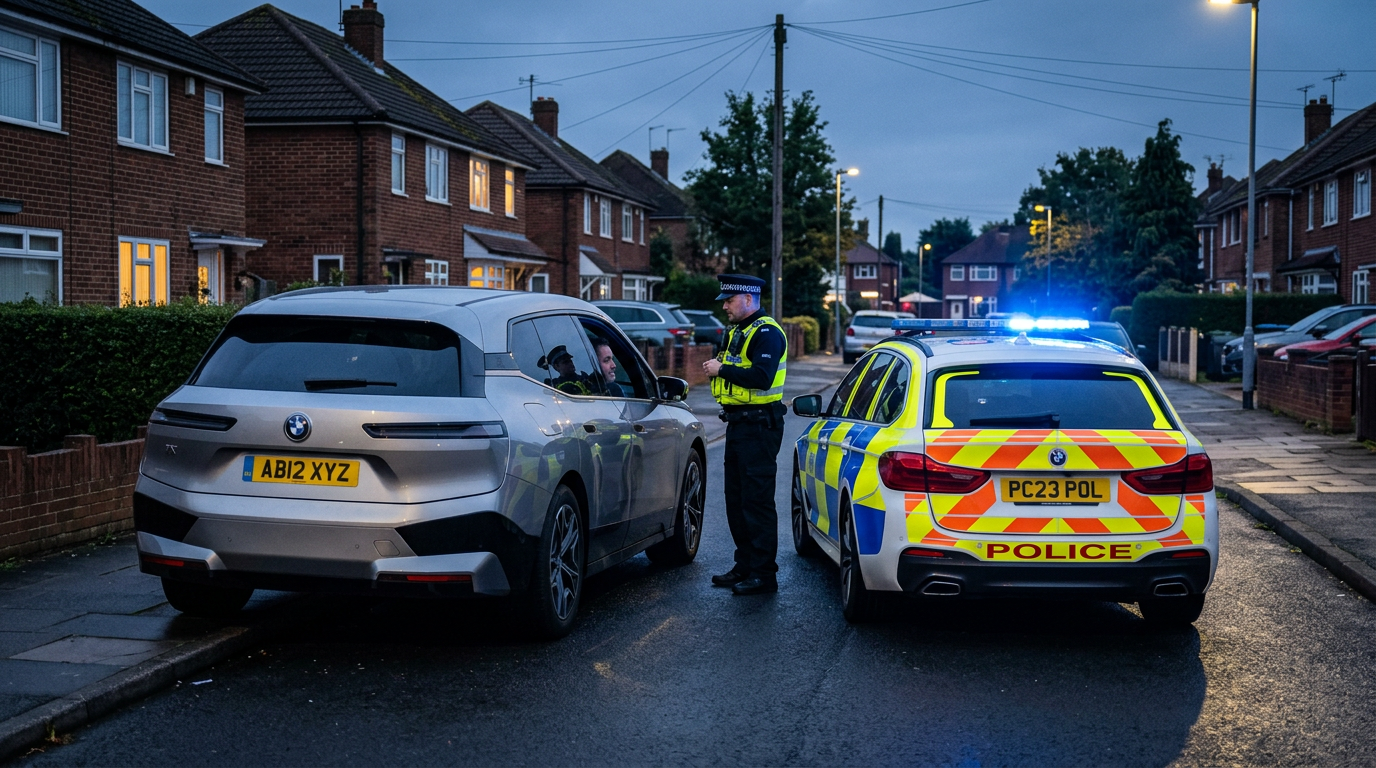
In the fast-moving 2026 used car market, where digital transactions and rapid-fire private sales are the norm, the risk of inadvertently purchasing a stolen vehicle remains a significant threat. While most buyers focus on engine health or battery degradation in EVs, the legal status of the vehicle is arguably more critical.
Central to this legal framework is Section 22 of the Theft Act 1968, a piece of legislation that every UK car buyer, trader, and dealer must understand. Handling stolen goods—even unknowingly—can lead to devastating financial loss and potential criminal proceedings. Here is everything you need to know about navigating the legal minefield of Section 22.
What is Section 22 of the Theft Act 1968?
Section 22 of the Theft Act 1968 defines the offence of "Handling Stolen Goods." In the context of the UK automotive industry, this occurs if a person dishonestly receives a vehicle, or dishonestly undertakes or assists in its retention, removal, disposal, or realisation by or for the benefit of another person.
The legal definition is deliberately broad. You don't have to be the person who broke the window or hotwired the ignition to be found guilty. Simply possessing or selling a car that you knew or believed was stolen is enough to trigger the Act.
The "Knew or Believed" Clause
The most contentious part of Section 22 is the requirement of "knowing or believing." In 2026, the Crown Prosecution Service (CPS) often relies on circumstantial evidence to prove this. For example, if a 2024 Tesla Model 3 is offered for £8,000 when the market value is £22,000, a court may argue that the buyer must have believed the car was stolen. Ignorance is rarely a successful legal defence if the deal was "too good to be true."
The Financial Reality: Why "Good Faith" Isn't Always Enough
A common misconception among UK car buyers is that if they bought a car in "good faith," they get to keep it. This is false.
Under UK law, a thief cannot pass "good title" (legal ownership). If you buy a stolen car, the legal owner remains the person it was stolen from (or their insurance company if a claim has been paid). When the police identify the vehicle via a Police National Computer (PNC) vehicle check, they will seize the car.
As the buyer, you will lose:
- The car: It will be returned to the owner or insurer.
- Your money: Retrieving funds from a criminal seller is virtually impossible.
- Your peace of mind: You may face a police interview under caution.
Identifying a Stolen Car: Red Flags in 2026
With the rise of "keyless" theft and sophisticated cloning, identifying a stolen vehicle requires more than just checking if the locks are broken.
1. The V5C Logbook Scam
Always check the V5C (Logbook). In 2026, ensure the document features the latest DVLA security watermarks. Ensure the "Document Reference Number" matches the DVLA's online database. If a seller says "the V5C is reaching me in the post," walk away.
2. Physical VIN Tampering
Check the Vehicle Identification Number (VIN) in multiple places:
- The base of the windscreen.
- The door pillar (B-pillar).
- Under the bonnet.
- The digital VIN (found in the infotainment settings on modern EVs and high-spec petrol cars).
If these numbers do not match or show signs of physical scratching/over-stamping, the car is likely a "clone"—a stolen car wearing the identity of a legitimate one.
3. Price Discrepancies
Compare prices. Using tools like CarsLink.ai allows you to see the real-time market value of cars based on recent UK-wide sales data. If a car is priced 30% below the AI-calculated market average without a clear explanation (like Category N status or high mileage), Section 22 risks are high.
Table: Comparing Due Diligence Checks
| Check Type | What it covers | Why it matters |
|---|---|---|
| PNC Check | Police alerts for stolen vehicles | Confirms if the vehicle is currently "wanted" by UK police. |
| HPI Stolen Marker | Insurance and police data | Identifies if an insurance company has a claim interest in the car. |
| V5C Verification | DVLA database match | Confirms the seller has the legal right to possess the document. |
| VCA/MOT History | Mileage and safety records | Dramatic jumps in MOT mileage often point to "clocking" or cloning. |
| Financial Interest | Outstanding Hire Purchase/PCP | Selling a car with active finance can also fall under "dishonest realisation." |
The Legal Consequences for Dealers and Traders
For motor traders, Section 22 is even more treacherous. Professionals are held to a higher standard of "due diligence." If a dealer fails to perform an HPI stolen marker check and sells a stolen vehicle to a consumer, they face not only criminal charges but also a total loss via the Consumer Rights Act 2015.
The trader would be legally obligated to refund the customer in full. Furthermore, a conviction under the Theft Act 1968 would lead to the immediate loss of trade insurance, credit lines, and the ability to operate on major advertising platforms.
How to Protect Yourself: The "Gold Standard" of Car Buying
To ensure you never fall foul of handling stolen goods, follow this checklist:
- Never pay in cash: Use traceable methods like bank transfers. Criminals hate paper trails.
- Verify the seller's ID: Match the name on the V5C logbook to a driving licence or passport.
- View the car at the "Registered Keeper's" address: Never meet in a supermarket car park or service station.
- Perform a comprehensive history check: Before viewing, use a service that checks for PNC markers and insurance write-offs.
- Use AI-powered Search Engines: Platforms like CarsLink.ai filter through thousands of listings, often flagging inconsistencies in pricing or descriptions that could indicate a fraudulent listing before you even click.
What to do if you suspect a car is stolen
If you have already purchased a vehicle and now suspect it is stolen (perhaps you found a discrepancy in the VIN or the seller has disappeared), do not try to sell it to someone else. This would be a proactive violation of Section 22 (distributing stolen goods).
Instead:
- Contact the Police: Call 101 and report your concerns.
- Contact your Insurance Provider: Many modern policies offer some level of "innocent purchaser" protection, though this is rare and usually only found in premium "Gap Insurance" products.
- Seek Legal Advice: If the purchase was from a registered dealer, you have strong protections under the Consumer Rights Act.
Conclusion: Due Diligence is Non-Negotiable
Section 22 of the Theft Act 1968 is designed to drain the "market" for stolen goods. By penalising the handler, the law aims to make car theft unprofitable. For the honest UK motorist, this means the burden of proof effectively sits with you to ensure your new car is legitimate.
In 2026, there is no excuse for skipping a background check. Tools are faster and more accurate than ever. Stay informed, stay suspicious of "bargains," and always use trusted platforms to verify the market landscape.
Ready to find your next car with total confidence? Browse thousands of verified listings on CarsLink.ai — our AI-driven filters help you find the best value while avoiding the red flags of the used car market.