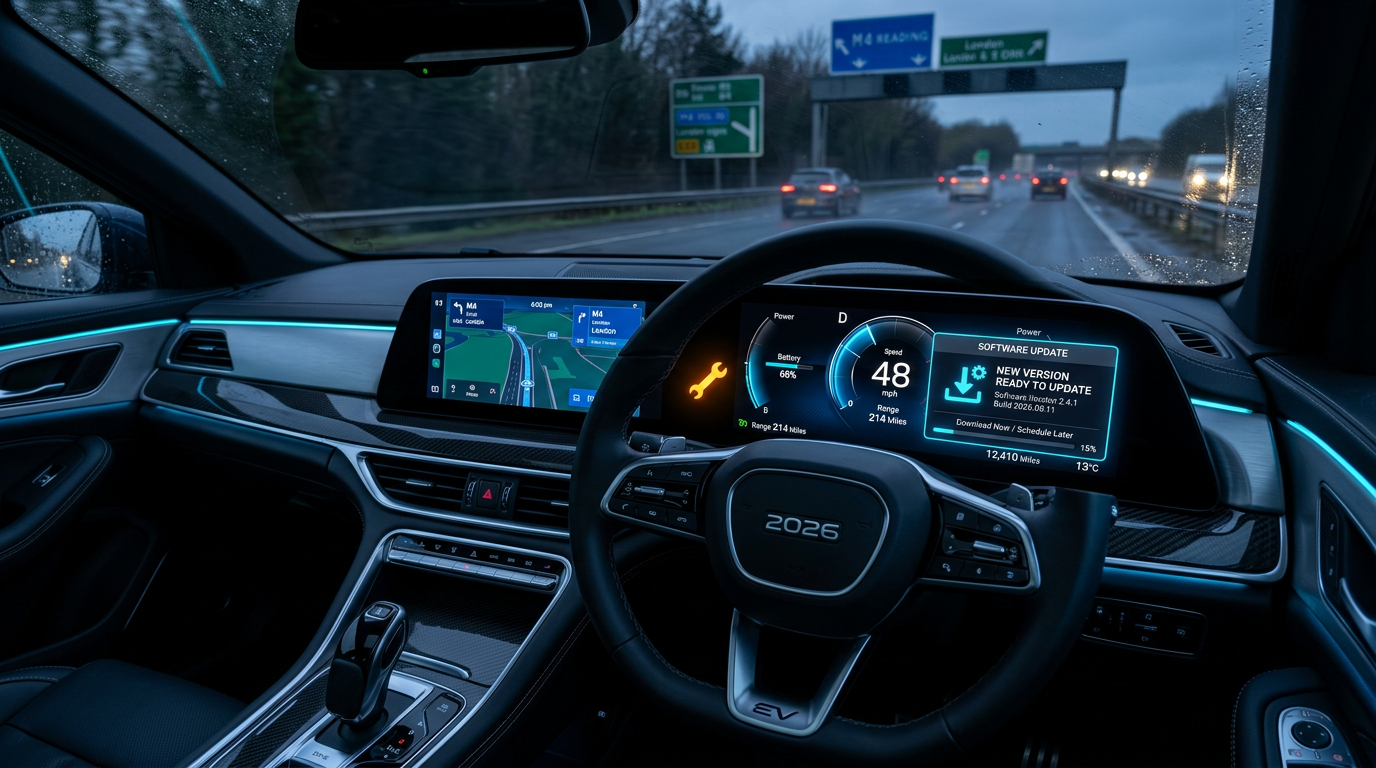
As we navigate the automotive landscape of 2026, the way we "own" vehicles has shifted dramatically. The traditional divide between buying a physical object and subscribing to a service has blurred, thanks to the explosion of car subscription models and high-tech features like Over-the-Air (OTA) updates and "Features on Demand" (FoD).
In 2026, a car is as much a rolling computer as it is a mechanical tool. This creates a unique legal challenge: if your car’s heated seats stop working because of a software glitch, or if a self-driving update causes range anxiety, what are your rights?
This guide explores how the Consumer Rights Act 2015 (CRA 2015) applies to the dual nature of modern vehicles, distinguishing between hardware failures and software bugs within the context of UK car subscriptions.
Your Rights as a Buyer (Subscriber)
Under UK law, a car subscription is generally treated as a hire agreement or a supply of services. However, because you are provided with "goods" (the car) and "digital content" (the software), the protections of the Consumer Rights Act 2015 are robust.
1. The Right to Goods that are of Satisfactory Quality
Whether it’s a monthly subscription or a long-term lease, the vehicle must meet the standard a reasonable person would expect. In 2026, this includes the hardware (engines, suspension, batteries) and the integrated software. If the infotainment system constantly crashes, making it impossible to control the climate or safety features, the vehicle may be legally "unsatisfactory."
2. Digital Content Rights
The CRA 2015 was pioneering because it introduced specific rights for digital content.
- Fit for Purpose: If you subscribe to a "Performance Pack" that promises a 0-60mph time of 4 seconds, and a software update throttles that to 6 seconds, the digital content is no longer fit for the purpose for which it was sold.
- As Described: If your subscription advertised "Hands-free Highway Assist" and a 2026 software patch removes that feature without a valid safety reason, you may have a claim for a price reduction or a right to terminate.
3. Section 75 Protection (Consumer Credit Act 1974)
If your car subscription is funded through certain credit arrangements (where the price/value is between £100 and £30,000), you may have joint and several liability protection under Section 75 of the Consumer Credit Act 1974. This is vital if a subscription provider goes bust or refuses to acknowledge a major software fault that renders the car unusable.
4. Voluntary Termination (Section 99)
For those on Regulated Hire Purchase or PCP agreements often bundled as "subscriptions," Section 99 of the Consumer Credit Act 1974 allows for "Voluntary Termination." Provided you have paid 50% of the total price and taken reasonable care of the vehicle, you can return it. This is a critical safety net if software-induced depreciation makes the car a financial burden.
Dealer and Subscription Provider Obligations
In 2026, the "Dealer" is often a direct-to-consumer platform or a subscription provider. Their obligations are governed not just by the CRA 2015, but also by the Consumer Protection from Unfair Trading Regulations 2008 (CPRs).
1. Supply of Goods: The 30-Day Right to Reject
If a car is delivered with a "short-circuit" in its hardware or a critical "day-one" software bug that prevents driving, the subscriber has a short-term right to reject the vehicle within 30 days for a full refund. Traders cannot force you to accept a "software patch" as a fix if you choose to exercise this right for a major fault.
2. Responsibility for Remote Updates
A common issue in 2026 is the "bricked" car—where an OTA update fails, leaving the vehicle immobile. Under the CRA 2015, the trader is responsible for ensuring that updates do not damage the device (the car). If an update causes damage, the trader must either:
- Repair the damage.
- Compensate the consumer with an appropriate payment.
3. Fair Wear and Tear (2026 Standards)
Traders must be transparent about what constitutes "fair wear and tear" at the end of a subscription. With modern EVs and software-heavy cars, this now extends to:
- Battery Health: Traders cannot penalize subscribers for natural lithium-ion degradation, provided the car was charged according to manufacturer guidelines.
- Interior Screens: Minor "ghosting" or pixel degradation on OLED dashboards is increasingly viewed as fair wear and tear rather than damage.
- Road Traffic Act 1988 Compliance: Traders have an absolute obligation to ensure the vehicle is roadworthy. If a software glitch affects a safety system regulated by the Road Traffic Act 1988, the trader must rectify it immediately at zero cost to the subscriber.
4. Transparency and FSMA 2000
Many subscription models involve insurance and credit elements. Providers must be authorized by the Financial Conduct Authority (FCA) under the Financial Services and Markets Act 2000 (FSMA). They are obligated to treat customers fairly (TCF), which includes being clear about how "software-only" faults affect your monthly payments.
Software vs Hardware: Where the Conflict Lies
The primary legal tension in 2026 lies in "Hardware-as-a-Service." Imagine your car has the hardware for heated seats, but you pay a £15/month subscription to "turn them on."
- If the heating element breaks (Hardware): This is a breach of the CRA 2015 "Satisfactory Quality" clause. The provider must fix the seat.
- If the app fails to activate the seat (Software): This is a "Supply of Digital Content" issue. If it cannot be fixed within a reasonable time, you are entitled to a refund for the months the service was unavailable.
The Problem of "End of Life" Software
As cars age, manufacturers may stop supporting the software. If your 2026 subscription relies on 6G connectivity and the provider switches to 7G, rendering your car's nav system useless, the CPRs 2008 regarding "Misleading Omissions" may apply if you weren't warned about the software's lifespan at the point of contract.
Key Takeaways for 2026 Subscribers
- Software is Goods: Under the CRA 2015, integrated software is treated with the same legal weight as a gearbox or an engine.
- Subscription Flexibility: Check if your contract is a "True Subscription" (regulated by the CRA) or a "Lease" (regulated by the Consumer Credit Act). Your right to cancel varies between them.
- Document OTA Errors: If your car receives a software update that reduces range or removes features, take screenshots. This is evidence of a "diminution in value."
- Safety First: Any software fault that affects braking, steering, or lighting falls under the Road Traffic Act 1988 and makes the car legally unroadworthy.
Summary Table: Rights at a Glance
| Issue | Legal Basis | Subscriber Remedy |
|---|---|---|
| Mechanical Failure | CRA 2015 (Goods) | Repair, Replace, or Refund |
| Software Bug/Glitch | CRA 2015 (Digital Content) | Repair (Patch) or Price Reduction |
| Feature Removal | CPRs 2008 / CRA 2015 | Right to Terminate / Compensation |
| Battery Health | Fair Wear & Tear (2026) | No penalty if within guidelines |
Disclaimer: This article is provided for general informational purposes only and does not constitute legal advice. While we strive to keep information accurate as of May 2026, UK laws and their interpretations by courts can change. If you have a specific legal dispute regarding a vehicle, consult a qualified legal professional or Citizens Advice.