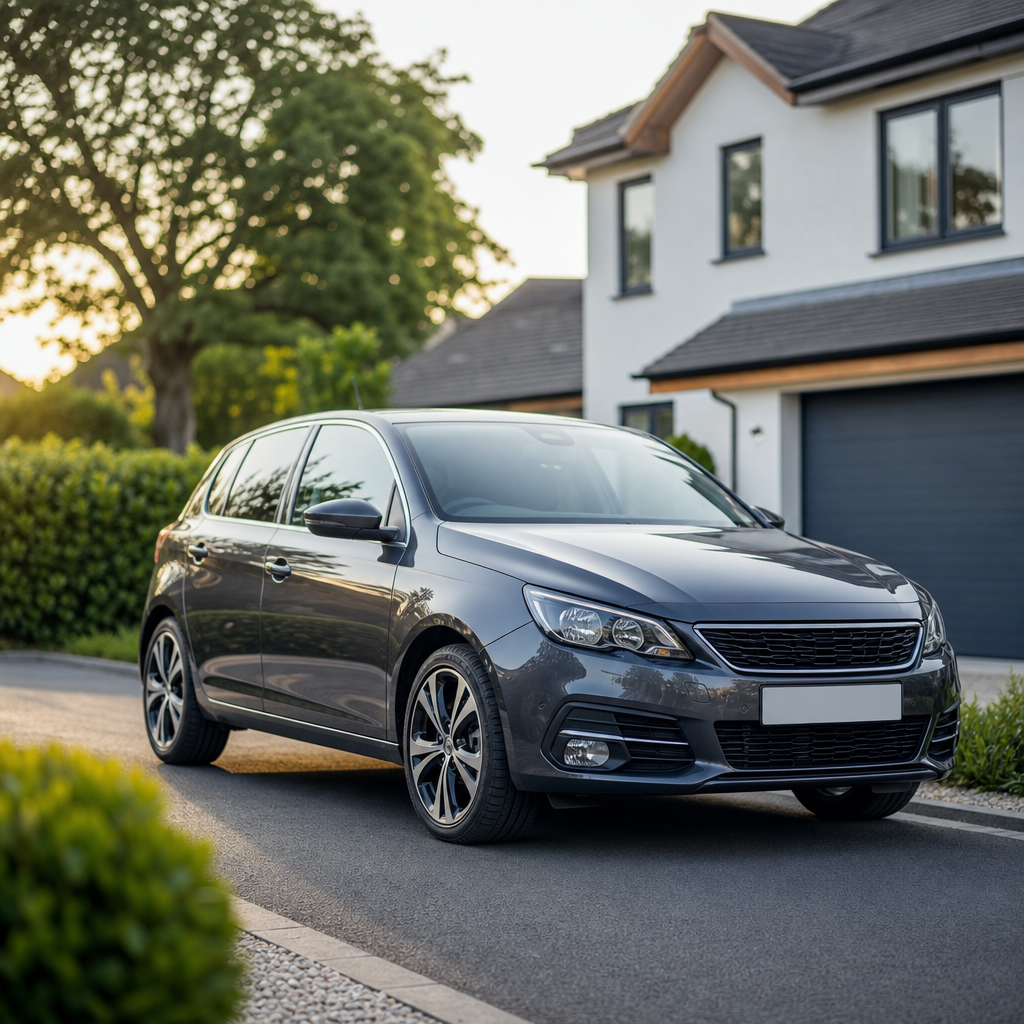
Smarter Savings: How to Lower Your Used Car Insurance Premiums in the UK
For many drivers across the UK, the excitement of purchasing a used car is often quickly followed by the sobering reality of insurance premiums. While the upfront cost of your chosen vehicle is a significant factor, the ongoing running expenses – particularly insurance – can have a profound impact on your overall motoring budget. In a market where premiums can vary wildly, understanding the levers you can pull to reduce your costs is invaluable.
At CarsLink.ai, we know that smarter motoring is about more than just finding the right deal on a used car; it's about optimising every aspect of vehicle ownership. This article will guide you through practical strategies to significantly lower your used car insurance premiums, helping you keep more money in your pocket without compromising on cover.
The Car Itself: Model, Engine, and Security Features
Before you even get a quote, the car you choose has the most significant impact on your insurance premium. Insurers classify vehicles into 'insurance groups', typically ranging from 1 (cheapest to insure) to 50 (most expensive). This grouping considers factors like the car's market value, performance, availability of parts, repair costs, and security features.
Smaller, less powerful cars with readily available and affordable parts generally fall into lower groups. Think models like a Volkswagen Up!, Toyota Yaris 1.0, or a Ford Fiesta 1.0 EcoBoost. Opting for a higher-spec trim or a larger engine in an otherwise modest model can quickly push it into a higher insurance group. For example, a 1.6-litre engine will almost certainly be more expensive to insure than a 1.2-litre version of the same car, not just due to performance but also potentially higher repair costs associated with more complex powertrains. Always check a car's insurance group before you buy it – this crucial step can save you hundreds, if not thousands, over the years.
Furthermore, a car's security features play a vital role. Factory-fitted immobilisers, alarms, and tracking devices (especially those approved by Thatcham Research) are highly regarded by insurers. These features reduce the risk of theft, which in turn reduces the insurer's potential payout, leading to lower premiums for you. If a used car you're considering lacks advanced security, weigh up the cost of retrofitting an approved system against the potential insurance savings.
Leveraging Your Driving History and Policy Choices
Your personal driving history and how you choose to structure your policy are powerful tools for reducing insurance costs.
The No Claims Discount (NCD), also known as a No Claims Bonus, is arguably the most significant discount available to drivers. For every year you drive without making a claim, your NCD builds up, leading to substantial reductions in your premium. After five or more years, this discount can be as high as 70-80%. Protecting your NCD, often for an additional fee, ensures that one claim won't wipe out years of careful driving. If you're buying a second car, some insurers will mirror your NCD on the new policy, so always ask.
Telematics policies, commonly known as 'black box' insurance, involve installing a device in your car that monitors your driving behaviour – speed, braking, acceleration, cornering, and even the time of day you drive. While often associated with younger or new drivers, telematics can offer significant savings for anyone who drives safely and responsibly, regardless of age. If you're confident in your driving habits and don't mind the monitoring, a black box policy can prove far cheaper than a traditional one, especially if you fall into a higher-risk category.
Finally, consider your voluntary excess. This is the amount you agree to pay towards a claim before the insurer contributes. Opting for a higher voluntary excess typically lowers your premium. However, be realistic: only choose an amount you could comfortably afford to pay out of pocket should you need to make a claim. There's no point saving £50 on your premium if it means you'd struggle to pay a £500 excess after an accident.
Driver Profile, Garaging, and Mileage: Your Personal Impact
Insurers assess a range of personal factors to calculate your risk, and understanding these can help you optimise your quotes.
Your driver profile encompasses your age, occupation, and driving history. Younger drivers (under 25) and older drivers (over 70) often face higher premiums due to statistical risk profiles. Certain occupations are also deemed higher risk than others, so ensuring your job title is accurately and clearly described can sometimes make a difference. Any driving convictions or points on your licence will invariably push up your premiums, sometimes significantly, for several years.
Where you park your car overnight, known as garaging, is another key factor. Parking your used car in a locked garage is generally considered the safest option, followed by a private driveway, and then street parking. Insurers view garage parking as reducing the risk of theft and vandalism, often translating into lower premiums. Be honest about your parking situation, as providing inaccurate information could invalidate your policy.
Annual mileage also influences your premium. Logically, the less you drive, the lower your risk of being involved in an accident. If you primarily use your used car for short commutes or weekend trips, stating a lower, accurate annual mileage can help reduce costs. However, be realistic; drastically underestimating your mileage to save a few pounds could lead to problems if you need to make a claim and your actual mileage far exceeds your stated figure.
Smart Comparison and Policy Optimisation Tactics
Finding the best insurance deal isn't just about inputting your details; it's about smart shopping and understanding policy nuances.
Always use comparison websites such as Compare the Market, MoneySuperMarket, Confused.com, and GoCompare. These platforms allow you to quickly get quotes from a wide range of insurers. However, remember that some major insurers, like Direct Line, don't appear on comparison sites, so it's always worth checking their direct quotes too. Don't just pick the cheapest quote; carefully review what's included in the policy – for example, breakdown cover, courtesy car provision, or windscreen cover.
Consider the type of policy you need. While Third Party Only (TPO) is the legal minimum, covering damage to other people's vehicles or property but not your own, it's often not the cheapest option. Counter-intuitively, Comprehensive cover, which protects your car against damage, fire, and theft, as well as third parties, can sometimes be cheaper because insurers perceive comprehensive policyholders as lower risk. Always get quotes for all three types – TPO, Third Party Fire & Theft, and Comprehensive – to compare.
Finally, consider payment methods. Paying your premium annually in one lump sum is almost always cheaper than paying monthly. Insurers typically add interest or administration fees to monthly instalments, which can add up to a significant extra cost over the year. If you can afford it, paying upfront is a straightforward way to save. And critically, never simply renew with your existing insurer without shopping around; loyalty is rarely rewarded, and new customer deals are often far more competitive.
Conclusion
Securing a great deal on a used car is only half the battle; managing your ongoing running costs, particularly insurance, is equally important. By adopting a proactive and informed approach, you can significantly reduce your premiums without sacrificing essential cover. From choosing the right car and optimising your policy details to leveraging your driving history and comparing insurers effectively, every step you take contributes to smarter savings.
At CarsLink.ai, we encourage you to be diligent and thorough. The time spent researching and comparing could translate into hundreds of pounds back in your pocket each year, making your used car ownership experience even more affordable and enjoyable. Drive safely, shop wisely, and let your savings grow!