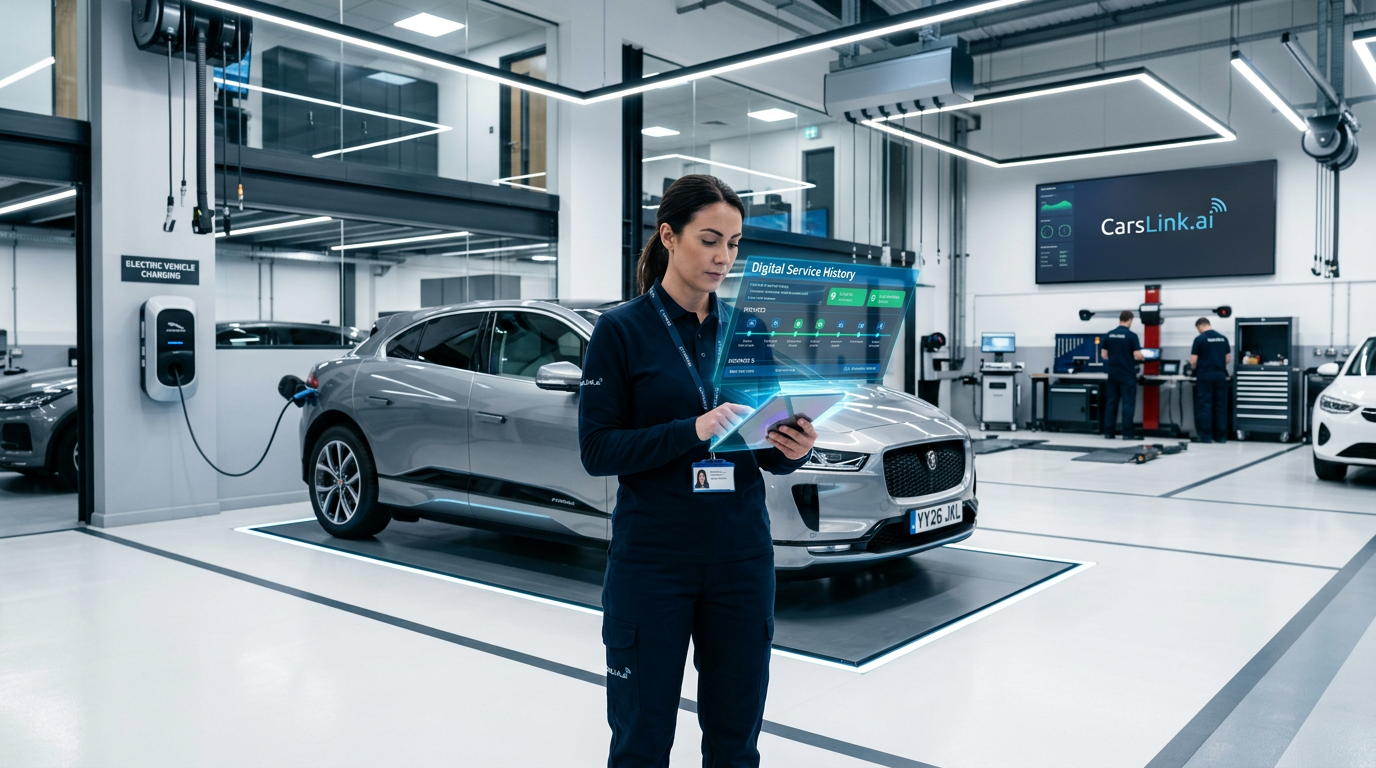
In the UK's 2026 automotive market, the standard paper logbook—that dog-eared folder of stained receipts and faded stamps—has officially become a relic of the past. As we move further into a landscape dominated by EVs, sophisticated software-defined vehicles (SDVs), and strict emissions compliance, how a car’s "health" is documented has fundamentally changed.
If you are looking to sell my car in 2026, the presence (or absence) of a verifiable digital service record (DSR) can mean the difference of thousands of pounds in your final valuation.
The Shift from Paper to Pixels
The transition to digital records wasn't just about saving paper; it was about integrity. For decades, "Full Service History" (FSH) was easily forged with a cheap rubber stamp. In 2026, major manufacturers like BMW, Mercedes-Benz, Audi, and Ford have fully integrated their service logs into cloud-based systems accessible via the vehicle’s VIN (Vehicle Identification Number).
These records are now the "gold standard" for buyers. When a car is serviced at a main dealer or an authorised specialist, the data is uploaded directly to the manufacturer's central server. This data often feeds into the DVLA database and third-party valuation tools used by platforms like CarsLink.ai to provide instant, accurate quotes.
Why Digital Records Command a Premium
- Tamper-Proof Verification: Unlike paper logs, digital entries are timestamped and linked to specific dealer IDs. This eliminates "clocking" or fraudulent service claims.
- Software Update Tracking: Modern cars are computers on wheels. A digital record proves that critical "over-the-air" (OTA) updates and safety recalls were properly managed.
- Predictive Maintenance: In 2026, many digital logs include sensor data, showing not just when the oil was changed, but the actual health of the battery pack (crucial for EVs).
The "Value Gap": Quantifying the Impact
Data from early 2026 suggests that a 4-year-old vehicle with a complete digital service history fetches significantly more than one with missing or paper-only records.
| Vehicle Type (4 Years Old) | Premium for Full Digital History | Impact of Missing History |
|---|---|---|
| Electric (EV) | +12% to +15% | -30% (Battery warranty risk) |
| Hybrid (PHEV) | +10% | -20% |
| Petrol/Diesel (Euro 6) | +8% | -15% |
For high-end marques, a missing service entry can essentially "red flag" the vehicle, making it ineligible for manufacturer-approved used schemes and forcing it into the lower-priced private auction market.
How Digital Records Affect Your MOT and Road Tax
While the MOT remains a legal requirement once a vehicle hits three years of age, the integration between service centres and the DVLA has tightened. In 2026, insurers are increasingly looking at digital service frequency as a risk factor.
A car that hasn't seen a technician for two years, despite low mileage, may face higher premiums. Furthermore, maintaining digital records ensures you are alerted to any issues that could affect your ULEZ compliance or emissions status, which is vital for maintaining the car's resale appeal in UK cities.
Selling Your Car in 2026: The "Digital Handshake"
When you decide to sell my car in 2026, the process is significantly faster if your records are in order. Buyers, whether private individuals or professional dealers, now expect a "Digital Handshake."
1. The V5C and the Digital Link
Your V5C (Logbook) is still essential, but it now acts as the key to your digital history. When you list your car on CarsLink.ai, our systems can often cross-reference your VIN with manufacturer databases to confirm your service history automatically. This transparency builds instant trust.
2. Clearing the Finance (PCP/HP)
If you have an outstanding PCP (Personal Contract Purchase) or HP (Hire Purchase) agreement, your digital service history is a contractual obligation. Failing to prove the car was maintained to manufacturer standards can result in hefty "end-of-contract" refurbished charges. A clean digital record ensures you get the maximum equity back when trading in.
3. The Specialist Independent Factor
One common myth in 2026 is that you must go to a main dealer to keep a digital record. This isn't true. Many high-quality independent garages now have access to manufacturer portals (like BMW's KaSIO or VW's ErWin). Always ask your mechanic: "Will this be logged on the manufacturer's central digital record?"
UK Car Resale Tips: Maximising Value
To ensure you aren't left behind in the 2026 market, follow these steps to protect your car's valuation:
- Audit Your Data: Once a year, log into your manufacturer’s app (e.g., FordPass, MyAudi) to ensure your latest service has been uploaded correctly.
- Keep Physical Invoices anyway: While the digital stamp is king, keeping itemised receipts for tyres, brakes, and minor repairs provides "context" to the digital record.
- Battery Health Certificates: If selling an EV, a digital "State of Health" (SOH) certificate is the most valuable piece of paper (or PDF) you can own. It proves the range hasn't degraded significantly.
- Timing is Everything: List your car for sale approximately 1 month before a major service or MOT is due. This allows the buyer to see a "clean" history without you bearing the immediate cost of the next interval.
Summary: Data is the New Currency
In 2026, your car's physical condition is only half the story. The data attached to its VIN is what settles the deal. A car with a fragmented history is a liability, whereas a car with a seamless digital record is an asset.
When you're ready to see what your well-maintained vehicle is worth, CarsLink.ai provides a seamless way to connect with verified buyers who value your digital diligence. Don't let your hard work in maintaining your vehicle go unrewarded—let the data speak for itself.
Ready to get a 2026-accurate valuation for your vehicle? Visit CarsLink.ai today and see how your digital service history boosts your price.