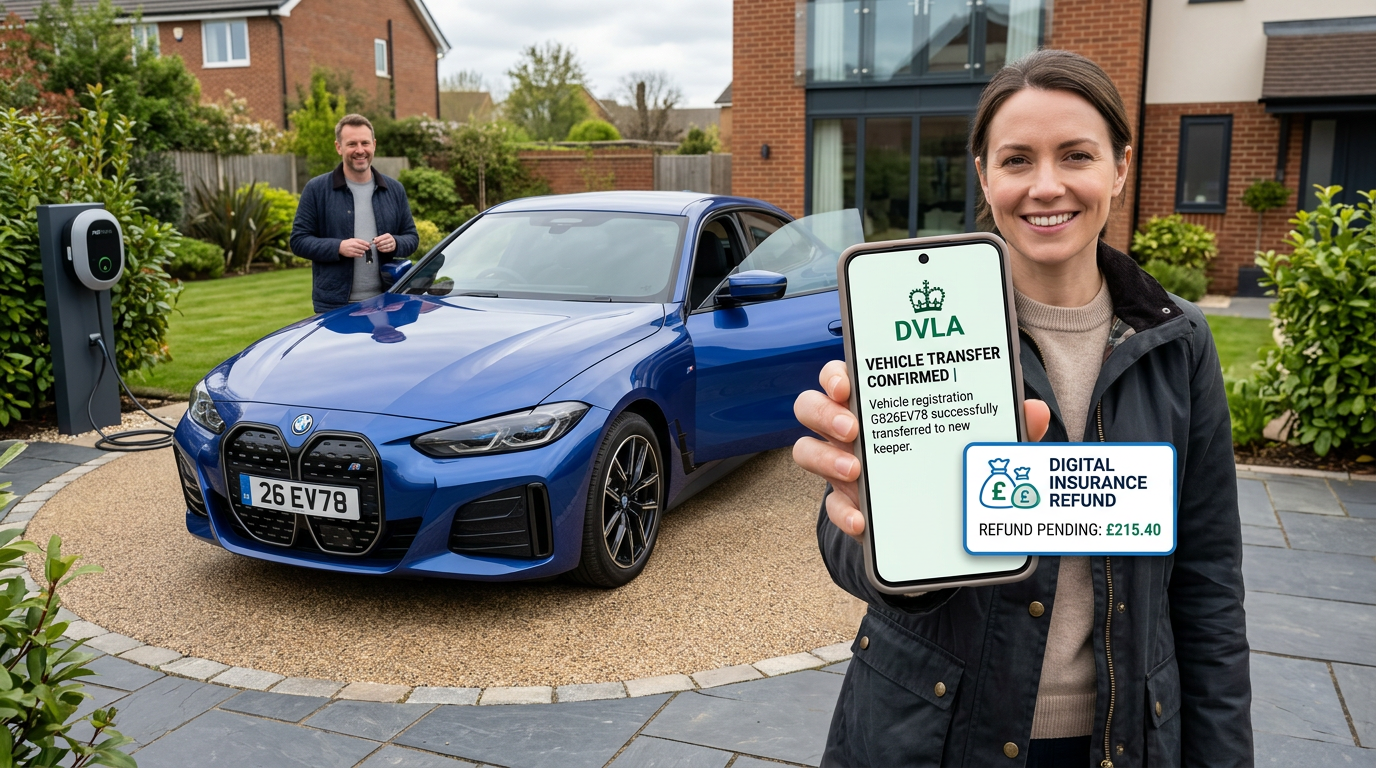
The 2026 Resale Market: Why Insurance Reclaims Matter
As we cross into the middle of 2026, the UK used car market has stabilised following the volatility of previous years. With the transition to EVs accelerating and the DVLA’s fully digital system now the norm for vehicle transfers, selling your car is faster than ever. However, one area where motorists still lose hundreds of pounds is through forgotten "ancillary costs"—specifically, their unused insurance premium.
If you sell your car today, your insurance policy doesn’t automatically transfer to the new owner, nor does it necessarily end correctly unless you take proactive steps. With the average comprehensive premium in 2026 hovering around £850, walking away from three or four months of unused cover is essentially handing money back to the provider.
How the Process Works: The Pro-Rata Refund
When you cancel car insurance after selling your car, you are entitled to a refund for the remaining period of the policy, provided you haven't made a claim during the current policy year.
Most UK insurers operate on a "pro-rata" basis. For example, if you paid for 12 months in advance and sell your car at the six-month mark, you are theoretically owed 50% of your premium back. However, be aware that insurers will deduct:
- Administration Fees: Usually ranging from £25 to £75.
- Add-on Non-refundables: Fees for legal protection or breakdown cover are often non-refundable once the policy has started.
The "Fault Claim" Caveat
It is crucial to remember that if you have made a "fault" claim (or a claim where the insurer hasn't recovered costs) during the policy year, you will likely not receive a refund for the remaining months. In fact, if you pay monthly via direct debit, you may be required to pay the remaining balance of the annual policy even though you no longer own the car.
Step-by-Step Guide: Reclaiming Your Premium in 2026
To ensure you get every penny back when selling your car, follow this checklist:
1. Notify the DVLA Immediately
The moment the "virtual keys" are handed over, use the DVLA’s digital portal to notify them of the sale. This generates an instant confirmation email which serves as proof of sale. You will need the 11-digit reference number from the vehicle's V5C logbook.
2. Contact Your Insurer on the Day of Sale
Do not wait. Liability follows the insurance policy. If the new owner is involved in an accident while your policy is still active, it can create a legal nightmare. Call your provider or use their app to cancel car insurance specifically citing "vehicle sold."
3. Provide Proof of Sale if Requested
While most insurers now sync with the DVLA database, some may still ask for a bill of sale or the confirmation from the DVLA. Having these digital documents ready speeds up the car insurance refund process.
4. Check for "No Claims Bonus" (NCB) Protection
If you aren't buying a replacement vehicle immediately, ask your insurer for a proof of your No Claims Bonus. Most insurers allow you to "park" your NCB for up to two years.
Comparing Refund Policies: 2026 Market Leaders
Below is a comparison of how different insurance structures handle refunds in 2026:
| Policy Type | Cancellation Fee (Avg) | Refund Logic | Best For |
|---|---|---|---|
| Traditional Annual | £45 - £60 | Pro-rata minus fees | Long-term owners |
| Usage-Based (Pay-per-mile) | £0 - £15 | Credits refunded to digital wallet | Low-mileage drivers |
| Monthly Subscription | £0 | Stop at end of current month | Flexibility seekers |
| EV-Specific Policies | £30 - £50 | Pro-rata + battery cover adjustment | Tesla/Hyundai/VW EV owners |
Potential Pitfalls to Avoid
The "Auto-Renewal" Trap
If you sell your car near your policy's expiry date, ensure you have turned off "auto-renew." Every year, thousands of UK motorists are charged for a new year of insurance on a car they sold weeks prior. While you can get this back within the 14-day "cooling-off" period, it is an administrative headache you don't need.
Road Tax vs. Insurance
Remember that road tax (VED) and insurance are separate. When you notify the DVLA of the sale, any full remaining months of road tax will be automatically refunded to you via a cheque or bank transfer. You do not need to "claim" road tax, but you must actively "cancel" insurance.
Making the Most of CarsLink.ai
When you are preparing to list your vehicle, tools like CarsLink.ai can help you determine the total cost of ownership and the best time to sell to maximise your return. By using smart valuation tools, you can ensure the sale price—combined with your insurance and tax refunds—puts the maximum amount of cash back into your pocket for your next upgrade.
Alternatives to Cancellation: Moving the Policy
If you have already purchased a new vehicle, you don't necessarily need to cancel your policy. You can perform a "Change of Vehicle" (COV).
- The Benefit: You avoid the cancellation fee.
- The Risk: If the new car is in a much higher insurance group, the premium spike might be more expensive than simply cancelling and starting fresh with a specialist provider. Always compare a new quote before committing to a COV.
Summary Checklist for Sellers
- Gather Documents: Have your V5C and current insurance policy number ready.
- Finalise Sale: Complete the DVLA "Tell them you've sold a vehicle" online form.
- Call Insurer: Request the unused insurance premium refund.
- Verify Refund: Check your bank statement within 7-10 working days for the credit.
- SORN (if applicable): If the car isn't sold but is off the road, file a SORN to stop insurance/tax requirements legally.
Selling a car in 2026 is a digital-first experience, but the financial principles remain the same. Don't let your insurance provider keep money that belongs to you. By being proactive and using platforms like CarsLink.ai to manage your automotive transition, you ensure a smooth, profitable exit from your current vehicle.
Ready to find your next car or list your current one? Visit CarsLink.ai today for the UK’s most advanced AI-driven car marketplace and valuation tools.