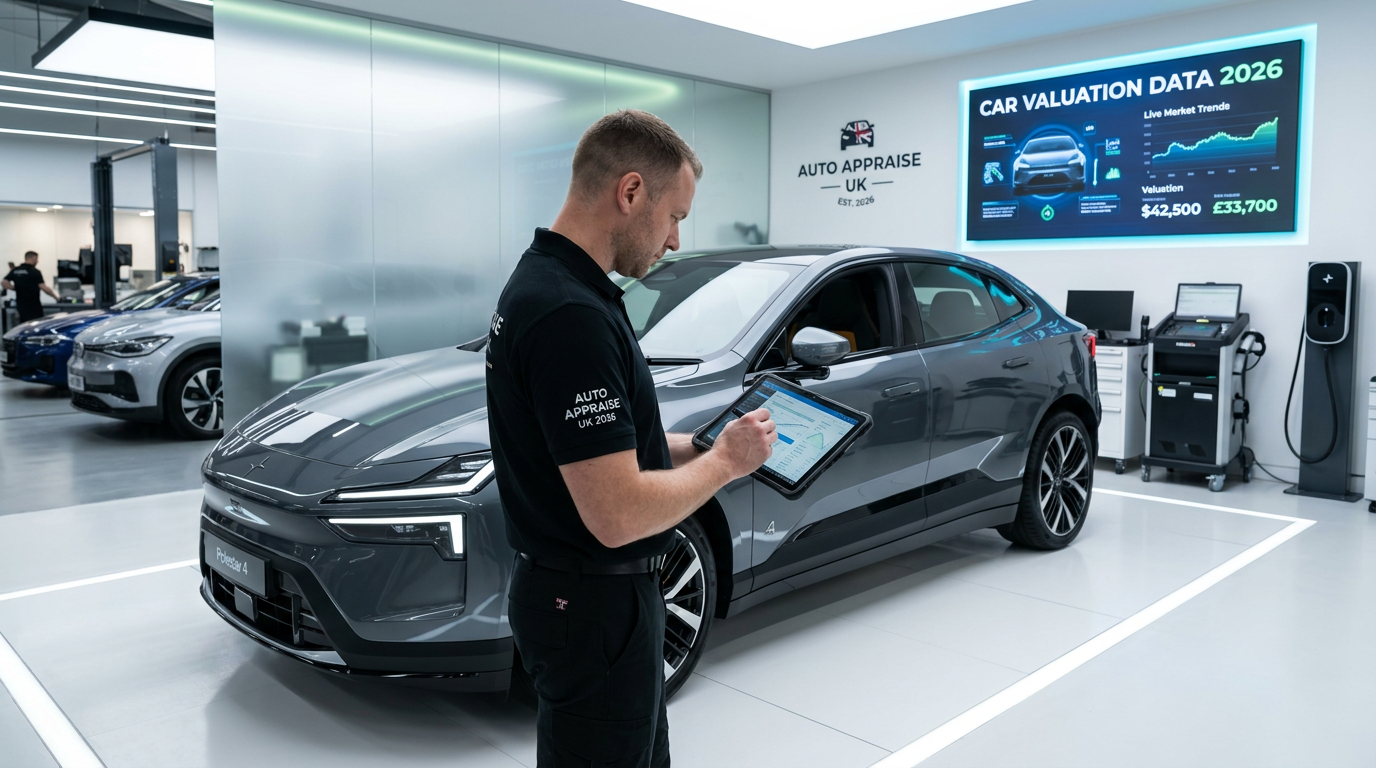
As we navigate the automotive landscape of mid-2026, the UK used car market has reached a fascinating inflection point. While the post-pandemic supply chain issues are a distant memory, new pressures—ranging from the strict Zero Emission Vehicle (ZEV) mandate milestones to the expansion of regional Clean Air Zones—have fundamentally changed how dealers value your part-exchange.
If you are looking to sell my car UK 2026, you might be surprised to find that traditional appraisal methods have been overhauled by AI-driven valuation tools and shifts in consumer preference. At CarsLink.ai, we’ve analysed the latest market data to identify the five critical "value killers" that could see thousands of pounds wiped off your car’s trade-in price this year.
1. The "Battery Health" Gap (For EVs and PHEVs)
By 2026, electric vehicles (EVs) represent a massive portion of the used market. However, "range anxiety" has been replaced by "degradation anxiety."
Dealers are now equipped with rapid diagnostic tools that measure a battery’s State of Health (SoH). If your EV shows significant degradation—perhaps due to exclusive use of high-voltage rapid charging or high mileage—its value will plummet compared to an identical model with a healthy battery cell.
- The Valuation Hit: A battery health report below 85% can lead to a 15-20% reduction in trade-in offers.
- The Fix: Always provide a certified battery health certificate. If you drive a Plug-in Hybrid (PHEV), ensure you have the charging cables; missing Type 2 cables are a frequent reason for "admin fee" deductions at the point of sale.
2. Incomplete Digital Service History (DSH)
The days of the "stamped book" in the glovebox are largely gone. In 2026, most manufacturers store service records on the cloud. If your car has been serviced at an independent garage that hasn't correctly updated the manufacturer’s central database, the car is effectively "unserviced" in the eyes of a main dealer.
A missing service record in 2026 is a massive red flag because it can void remaining manufacturer warranties, which are often transferable to the next owner.
| Service Status | Impact on Valuation (Est.) |
|---|---|
| Full Manufacturer History | 100% of Market Value |
| Full Independent History (Validated) | 90-95% of Market Value |
| Missing 1 Year/Service | -15% of Market Value |
| No Service History | -30% to -40% of Market Value |
3. Compliance with Expanding Low Emission Zones
The London ULEZ was just the beginning. By 2026, several more UK cities have implemented or tightened their own Clean Air Zones (CAZ). If you are trying to sell an older diesel vehicle (pre-Euro 6) or even an early Euro 6 that doesn't meet the newest, more stringent local standards, your buyer pool shrinks significantly.
Dealers in urban hubs will often "lowball" non-compliant cars because they know they have to transport them to rural auction houses to find a buyer, incurring logistics costs. Use CarsLink.ai to get an instant valuation that reflects your car's specific compliance status across the UK.
4. Cosmetic "Tech" Damage
In 2026, a "scratched car" doesn't just mean a bit of chipped paint on the bumper. Modern cars are wrapped in sensors, LiDAR, and cameras for ADAS (Advanced Driver Assistance Systems).
A minor "car park dink" on a bumper might look cosmetic, but if it has misaligned an ultrasonic sensor or cracked a radar housing, the repair bill for the dealer is astronomical. Furthermore, kerbed alloy wheels on modern EVs are a major point of contention; because many EVs use "aero-wheels" with plastic inserts or diamond-cut finishes, they are more expensive to refurbish than the standard alloys of a decade ago.
Pro Tip: Check your dashboard for any "Sensor Blocked" or "Park Pilot Unavailable" warnings before an appraisal. Even a perfectly straight body will be devalued if the safety tech requires recalibration.
5. Outstanding Finance and V5C Discrepancies
Market volatility in 2026 means dealers are more cautious than ever about "title" issues. If your car is on a PCP (Personal Contract Purchase) or HP (Hire Purchase) agreement and you are in "negative equity"—where the car is worth less than the settlement figure—it can kill a trade-in deal instantly.
Additionally, the DVLA has streamlined digital V5C transfers, but any discrepancy in the logbook (such as a misspelled name or an unrecorded change of address) can delay a sale. In a market where prices can shift 2-3% in a single month, a two-week delay to sort paperwork can cost you hundreds of pounds.
How to Maximise Your Resale Value in 2026
To ensure you get the best possible price when you decide to sell my car UK 2026, follow this checklist:
- Preparation is Key: Give the car a professional valet. A clean car suggests a well-maintained engine.
- MOT Longevity: If your MOT is due within the next 3 months, get it done early. A fresh 12-month MOT is a massive selling point for dealers.
- Gather the Documentation: Ensure you have the V5C, all sets of keys, the locking wheel nut, and any charging cables.
- Be Transparent: Mention minor faults upfront. It builds trust and prevents the dealer from aggressively "chipping" the price during the physical inspection.
The Bottom Line
Selling your car in 2026 requires a more tech-savvy approach than in previous years. By understanding how battery health, digital records, and emission zones affect UK used car prices 2026, you can position your vehicle to attract the highest offers.
Ready to see what your car is really worth? Visit CarsLink.ai today for an instant, data-driven valuation and connect with a network of verified buyers hungry for quality used stock. Regardless of whether you’re upgrading to the latest EV or downsizing, we help you navigate the 2026 market with confidence.