Selling Smarter: Your UK Guide to Preparing Your Used Car for a Quick and Profitable Sale
Selling your used car can feel like a daunting task, but with a little preparation and the right approach, you can significantly enhance its appeal, secure a quicker sale, and achieve a better price. Think of it as marketing; you’re not just selling a car, you’re selling peace of mind, reliability, and a lifestyle. As UK automotive journalists at CarsLink.ai, we understand the nuances of the market. This comprehensive guide will walk you through the essential steps, from initial spruce-ups to savvy negotiation tactics, ensuring your car stands out from the crowd.
1. First Impressions Count: Essential Cleaning and Detailing Tips
You wouldn't turn up to a job interview in your pyjamas, and your car deserves the same respect when it's looking for a new owner. A well-presented vehicle immediately signals to a potential buyer that it's been cared for, building trust before they even turn the key.
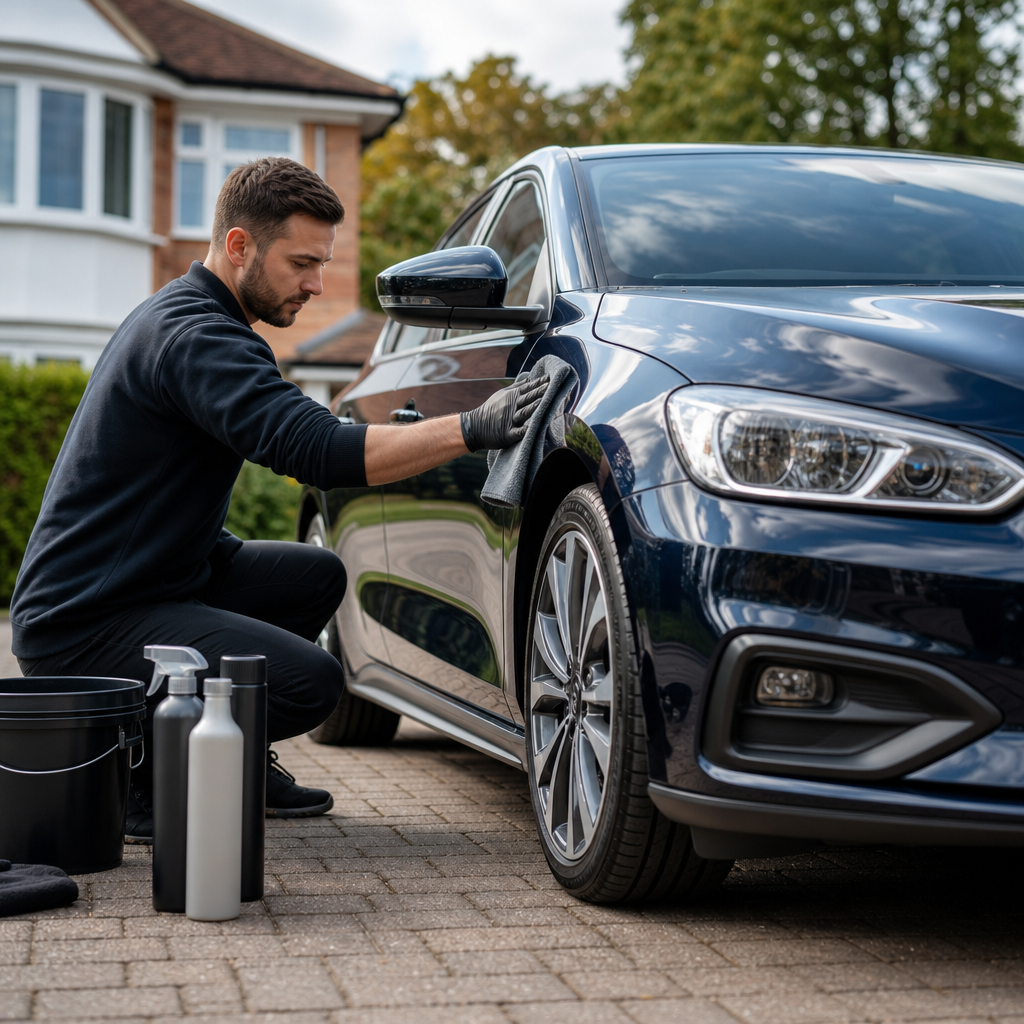
Start with a thorough exterior wash. Don't just run it through an automatic car wash; give it a proper hand wash, paying attention to the wheel arches and door shuts where dirt loves to accumulate. Once clean, consider applying a coat of wax – this not only makes the paintwork shine but also offers a layer of protection for photos. Don’t forget the alloys; a dedicated wheel cleaner will lift brake dust and grime, making them sparkle. Finish off with a tyre shine to give that showroom-fresh look.
Inside, declutter and deep clean. Remove all personal belongings, rubbish, and old receipts. Hoover the carpets and upholstery thoroughly, paying close attention to under the seats and in the boot. Wipe down all hard surfaces – the dashboard, door panels, centre console, and steering wheel – with an appropriate car interior cleaner. Don’t forget to clean the windows inside and out for crystal-clear visibility. A subtle air freshener can eliminate stale odours, but avoid anything too overpowering that might mask deeper issues or offend sensitive noses. For a professional touch, a quick wipe-down of the engine bay, removing any surface dust and leaves, can also impress.
2. The Paper Trail: Gathering Crucial Documentation
While a pristine car catches the eye, a well-organised set of documents seals the deal. A comprehensive paper trail is absolute gold in the used car market, providing tangible proof of your car’s history and diligent maintenance.
The most critical document is the V5C logbook (Vehicle Registration Certificate). Ensure it's in your name and that all details are correct. If you still have outstanding finance on the vehicle, this must be cleared before you can legally sell it, and you'll need proof from the finance company.
Next up is the service history. Ideally, you'll have a fully stamped service book, demonstrating regular maintenance according to the manufacturer's schedule. If it's not fully stamped, gather all invoices for services, repairs, and parts replaced. This shows a commitment to keeping the car in good running order. Even a partial service history is better than none.
Don't forget MOT certificates. Provide copies of the current certificate, showing the expiry date, and ideally, previous certificates as well. This creates a transparent record of its roadworthiness over time. Buyers can also check the MOT history online using the DVLA website and the car's number plate.
Finally, gather any other relevant paperwork: the original owner's manual, radio code (if applicable), receipts for recent work (tyres, battery, exhaust), and crucially, both sets of keys if you have them. Missing a spare key can knock hundreds off the perceived value.
3. Smart Investments: Minor Repairs and Touch-Ups
Deciding what to fix before selling can be a balancing act. The golden rule is to focus on repairs that offer the best return on investment (ROI) and address any obvious safety concerns or MOT advisories. Don't undertake major, expensive repairs unless they genuinely prevent the car from running or significantly affect its value (e.g., a known common fault like a timing belt that's overdue).
Prioritise safety and functionality:
- Warning lights: If any dashboard warning lights (engine, ABS, airbag, etc.) are illuminated, get them investigated and fixed. Buyers will be immediately put off by these.
- Worn items: Replace worn wiper blades, blown bulbs (headlights, brake lights, indicators), or cracked mirrors. These are cheap fixes that make a big difference.
- Fluid levels: Top up all fluid levels – oil, coolant, washer fluid – to show the car is ready to go.
- MOT advisories: Address any "minor" or "major" advisories from the last MOT that are relatively inexpensive to fix.
Cosmetic improvements:
- Minor paintwork: Small stone chips or light scratches can often be touched up with a paint pen matching your car's colour code, or even lightly compounded out. Don't attempt anything major unless you're confident; a bad repair looks worse than the original damage.
- Alloy wheel scuffs: Minor scuffs on alloy wheels can be repaired relatively cheaply by mobile specialists and significantly improve the car's aesthetic.
- Interior wear: Replace torn floor mats, mend small tears in upholstery, or fix broken trim clips. A clean, intact interior feels much more inviting.
- Windscreen chips: A small chip in the windscreen is often repairable by most insurers for free or a small excess. It's a quick fix that avoids an MOT failure and reassures buyers.
4. Picture Perfect: Compelling Photos and an Effective Online Listing
In the digital age, your online listing is your shop window. High-quality photos and an honest, detailed description are paramount for attracting serious buyers on platforms like CarsLink.ai.
Photography tips:
- Lighting is key: Choose a bright, overcast day or early morning/late afternoon for soft, natural light that minimises harsh shadows and reflections. Avoid direct midday sun.
- Clean background: Park your car in a clean, uncluttered location – a quiet street, a plain wall, or a scenic spot away from bins or other cars.
- Variety of angles: Take photos from all four corners, front and rear straight on. Include multiple interior shots (dashboard, front seats, rear seats, boot), engine bay, alloy wheels, and any key features (e.g., sat-nav screen, panoramic sunroof).
- Detail shots: Highlight recent upgrades, the condition of the tyres, or even the service book.
- Resolution: Use a decent camera or smartphone. Ensure photos are clear, in focus, and well-lit.
- Quantity: Aim for at least 10-15 photos – the more visual information, the better.
Crafting your listing:
- Be comprehensive: Include all vital information: make, model, year, mileage, engine size, fuel type, transmission, trim level, colour, number of owners, MOT expiry, and service history details (e.g., "Full Service History with 7 stamps").
- Highlight key features: List desirable options like parking sensors, heated seats, sat-nav, Bluetooth, air conditioning, cruise control, or specific safety features.
- Be honest: Acknowledge minor imperfections upfront ("some age-related marks," "light kerbing on one alloy"). This builds trust and avoids wasted viewings.
- Benefit-oriented language: Instead of just listing features, explain the benefit. "Economical 1.2-litre engine, ideal for city driving" or "Spacious boot, perfect for family holidays."
- Call to action: End with clear instructions for contacting you to arrange a viewing or ask questions.
5. Pricing and Negotiation: Strategies for Success
Setting the right price is crucial. Price too high, and you'll deter buyers; price too low, and you'll lose out financially.
Setting a competitive price:
- Research is vital: Utilise online valuation tools (like Glass's Guide or Parkers) and compare similar cars currently for sale on CarsLink.ai, Auto Trader, and other classified sites. Look at cars with similar mileage, age, specification, and condition in your local area.
- Consider your car's unique selling points: Does it have particularly low mileage for its age? A rare, desirable spec? A recent major service or new tyres? These can command a slightly higher price.
- Factor in negotiation: Most buyers will try to haggle. It’s wise to price slightly above your absolute minimum acceptable figure, allowing for a 5-10% negotiation margin.
Negotiating with buyers:
- Be prepared: Know your car inside out and be able to answer questions confidently. Rehearse what you'll say about its history and condition.
- Highlight value: Emphasise the full service history, recent repairs, and desirable features you've listed. These add genuine value.
- Be firm but polite: Don't be pressured into a price you're uncomfortable with. If an offer is too low, politely decline or make a counter-offer. "I'm looking for £X, but I might be able to come down a little bit."
- Payment: For safety, always insist on a bank transfer directly into your account. Avoid cash for large sums and never release the car until funds are cleared.
- Test drives: Always accompany the buyer on a test drive. Ensure they have valid insurance – check with your insurer if their "driving other cars" clause covers your vehicle, or ask for proof of their fully comprehensive policy.
Conclusion
Selling your used car doesn't have to be a stressful ordeal. By investing a little time and effort into preparation – from meticulous cleaning and gathering comprehensive documentation to making smart minor repairs and crafting an irresistible online listing – you'll transform your car into a highly desirable commodity. Follow these steps, and you'll not only attract more serious buyers but also stand a much better chance of securing a quick and profitable sale, ensuring a smooth and satisfactory experience for both you and the new owner. Good luck!