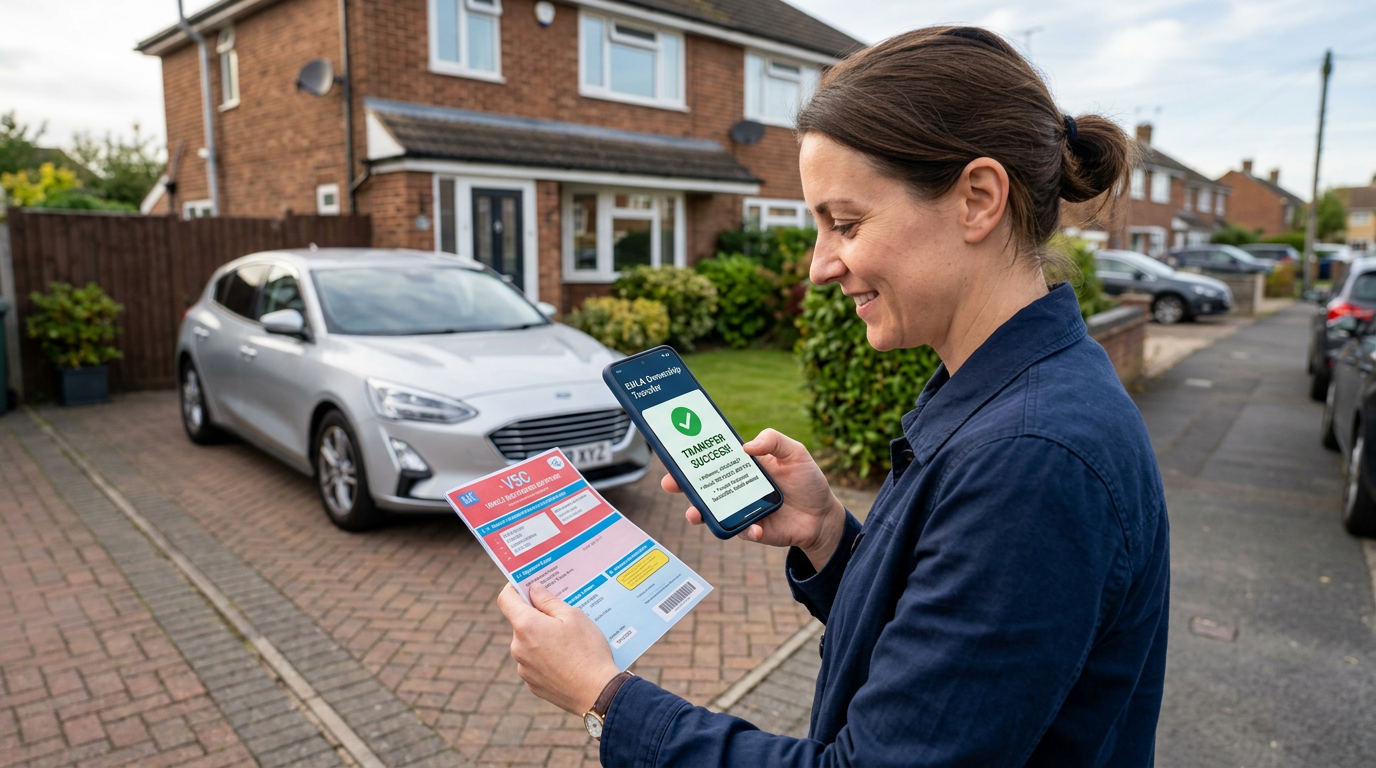
The UK used car market has undergone a digital revolution. As we move through 2026, the days of posting paper V5C slips and waiting weeks for confirmation are largely behind us. However, while the process is faster, the legal responsibilities on the seller have never been more stringent.
If you are selling a car privately in 2026, staying compliant with the DVLA is your primary safeguard against future fines, parking tickets, and automated ULEZ penalties incurred by the new owner. This guide outlines the foolproof digital roadmap to a legal private sale.
The 2026 Paperless Shift: What has Changed?
While the physical V5C Logbook still exists, it now serves more as a physical backup and a 'key' to the DVLA's digital portal. By 2026, the DVLA online transfer service is the mandatory standard for most private transactions.
The biggest shift this year is the integration of the Vehicle Tax Refund system. Previously, refunds were triggered manually; now, as soon as the online transfer is authenticated, the DVLA automatically calculates the remaining full months of road tax and issues a digital refund to the account linked to your vehicle records.
Step 1: Pre-Sale Compliance Check
Before you even list the car on a marketplace, you must ensure your administrative ducks are in a row.
- Check your V5C details: Ensure your current address is correct. If you’ve moved recently and haven't updated your logbook, you could face a £1,000 fine.
- Verify MOT Status: With 2026's stricter emissions standards, buyers are increasingly wary. Use the check-mot.service.gov.uk portal to ensure you have no outstanding 'major' or 'dangerous' defects.
- Outstanding Finance: If the car is on a PCP or HP agreement, it is illegal to sell it privately until the "Settlement Figure" is paid and the finance company has lifted their interest in the vehicle.
Step 2: The Digital Transfer Process
Once you’ve found a buyer and agreed on a price, it's time for the V5C digital notification. To do this effectively, both parties should be present with a smartphone or tablet.
How to transfer ownership online:
- Go to the DVLA 'Tell us you've sold a vehicle' portal.
- Enter the 11-digit document reference number from your V5C.
- Enter the buyer's full name and address.
- Submit the form.
The CarsLink.ai Tip: Never let a buyer drive away until you have seen the "Success" screen on the DVLA website and received the confirmation email. This email is your legal proof that you are no longer the registered keeper.
| Action | Seller Responsibility | Buyer Responsibility |
|---|---|---|
| V5C Logbook | Give the 'Green Slip' (V5C/2) to the buyer | Keep the Green Slip until the new V5C arrives |
| Road Tax | Is NOT transferable; must be cancelled/refunded | Must tax the car immediately before driving |
| Insurance | Cancel policy immediately after sale | Must have a valid policy in place |
| Clean Air Zones | Pay any outstanding ULEZ/CAZ charges | Check vehicle compliance for their local area |
Step 3: Handling the Documentation
Even in a digital-first 2026, some paperwork is essential for a "sold as seen" private sale.
The Bill of Sale
Create two copies of a written receipt. Both should include:
- Make, model, and registration number.
- The VIN (Vehicle Identification Number).
- The agreed price and date of sale.
- The phrase: "Sold as seen, tried and approved without guarantee."
- Signatures from both the buyer and seller.
The 'Green Slip' (V5C/2)
While you notify the DVLA online, you must still hand over the New Keeper’s Details section (the green slip) to the buyer. This allows them to tax the car immediately so they can drive it home legally.
Step 4: Post-Sale Obligations
Road Tax Refunds
As of 2026, the DVLA system is highly efficient. Once the online transfer is complete, your road tax is automatically cancelled. You will receive a refund via cheque or bank transfer (if you pay by Direct Debit) for any full months remaining.
ULEZ and Clean Air Zones
Ensure you remove the vehicle from any "Auto Pay" accounts (such as London’s TFL portal or Birmingham’s CAZ system). If the new owner drives through a zone before the system processes the ownership change, you might still be billed if your credit card is linked to the registration.
Selling Privately vs. Modern Alternatives
Selling a car privately in 2026 can yield a higher price, but it comes with the risk of "tyre kickers," time-wasters, and the legal burden of DVLA compliance. For those who want the best of both worlds—market-leading prices without the admin headache—CarsLink.ai offers a streamlined solution. By leveraging AI-driven valuations and a network of verified dealers, we take the stress out of the "private" vs "trade" debate, ensuring you get a fair price with zero paperwork stress.
Warning: Common Scams to Avoid in 2026
- The "Remote" V5C Scan: Never send a photo of your full V5C logbook to a potential buyer online. Scammers can use the document reference number to 'clone' your vehicle or identity.
- Proof of Identity: In 2026, it is common practice to ask a buyer for a photo ID. If they are unwilling to show a driving licence that matches the address they are giving for the V5C, walk away.
- Third-Party Payment Apps: Stick to Bank Transfers (Faster Payments). Ensure the money is physically showing in your "Available Balance" before handing over the keys.
Conclusion
Selling a car privately in 2026 is faster than ever thanks to V5C digital notification, but it requires diligence. By following the DVLA online transfer process and ensuring your paperwork is airtight, you protect your wallet and your legal standing.
Ready to see what your car is worth before you list it? Check out CarsLink.ai for an instant, data-backed valuation to ensure you aren't leaving money on the table.
Is your car ready for its next chapter? Visit CarsLink.ai today to compare private sale values against instant dealer offers.