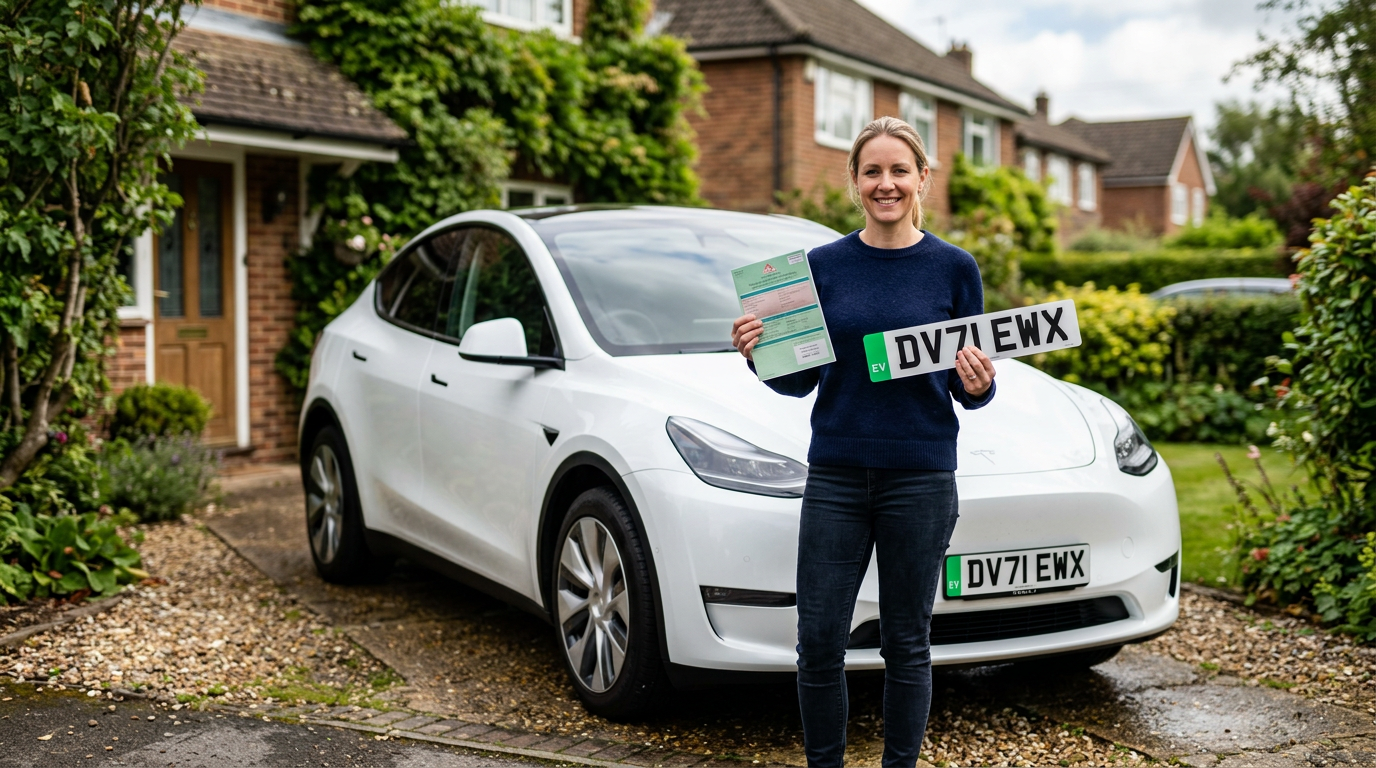
Selling a Car with a Private Plate in 2026
Personalised registrations—or ‘private plates’—remain a booming industry in the UK. Whether it reflects your name, a business, or a cheeky hobby, a private plate adds a signature touch to your vehicle. However, when it comes time to sell your car in 2026, many owners find themselves in a panic.
If you sell your car without transferring or retaining the plate first, you lose the rights to that registration forever.
In this 2026 guide, we explore the latest DVLA digital processes, the costs involved, and how to ensure your plate stays with you (or moves to your new car) without delaying your sale.
The Golden Rule: Action it Before You List
In 2026, the DVLA’s digital portal is faster than ever, but the fundamental rule remains: the registration stays with the vehicle unless you legally move it.
If you hand over the V5C (logbook) and the keys to a buyer through a platform like CarsLink.ai while the private plate is still on the car, the buyer legally inherits the plate. Reclaiming a plate after a sale is notoriously difficult and often impossible once the new owner is registered.
The Two Options for Sellers
- Retention: You take the plate off the car and keep it on a 'holding document' (V317) until you’re ready to put it on another vehicle.
- Transfer: You move the plate directly from your old car to your new car in one process.
The 2026 DVLA Transfer Process
The DVLA has fully digitised the retention and transfer process. Gone are the days of waiting weeks for paper forms to be processed by post (though the paper route still exists for complex cases).
How to Retain a Plate (The DIY Way)
To take a plate off your car, you must use the DVLA’s online service.
- Check Eligibility: Your car must be currently taxed (or have a SORN in place for the last five years) and have a valid MOT.
- Apply Online: You’ll need your V5C logbook. The service typically operates from 7 am to 7 pm.
- Pay the Fee: The private plate retention fee in 2026 is £80. This includes the cost of the replacement V5C for your current car.
- Instant Removal: In most cases, the registration is removed instantly. The DVLA will tell you the car's original plate (or a new age-related plate) that you must now put back on the vehicle.
- Get New Plates: You must physically change the number plates on the car to the original ones before the sale is finalised.
What Happens to the V5C?
Once you complete the retention online, your old V5C becomes invalid. The DVLA will post a new V5C to you showing the replacement registration number. Do not sell the car until this new V5C arrives, as the buyer will need the new 11-digit reference number to register the car in their name.
Transferring to a New Vehicle
If you have already purchased your next car, you can choose a direct transfer. This also costs £80.
| Feature | Retention | Direct Transfer |
|---|---|---|
| Cost | £100 (£80 fee + plate manufacture) | £100 (£80 fee + plate manufacture) |
| Document Issued | V778 Retention Document | New V5C for both cars |
| Validity | 10 Years | Indefinite (while on car) |
| Best For | Selling now, buying later | Scaling up or trading in |
Dealing with ULEZ and Clean Air Zones
In 2026, London’s ULEZ and various Clean Air Zones (CAZ) across the UK (Birmingham, Manchester, Bristol) use advanced ANPR technology.
Warning: When you change your registration back to the original plate, the ANPR cameras may take 24–48 hours to update. If your car is ULEZ-exempt but the system hasn’t updated the new plate, you might receive a Penalty Charge Notice (PCN). Always check the Transport for London (TfL) portal 24 hours after a plate change before driving into a restricted zone.
Selling the Plate With the Car
Occasionally, the plate is what makes the car valuable (e.g., a classic Land Rover with a '60s 'LND' plate). If you want to sell the plate with the car:
- Price it correctly: Research the plate's value separately.
- Transparency: Inform the buyer that the plate is included in the V5C transfer.
- CarsLink.ai: When listing your car on CarsLink.ai, ensure you mention in the description that the private registration is included in the sale price to attract collectors.
Checklist for Sellers in 2026
- Don't wait for a buyer: Start the retention process 7–10 days before you plan to list the car.
- Update your insurance: This is vital. As soon as the DVLA confirms the plate change, call your insurer. If you drive with the wrong plates on the car, your insurance is technically void.
- Physical Plates: Ensure you have the original age-related plates ready to be screwed back on. If you've lost them, you'll need to visit a registered plate supplier with your V5C and ID.
- Notify your breakdown cover: Services like the AA or RAC track your vehicle via the registration number.
- Road Tax: Your road tax stays with the vehicle, but ensures the DVLA system has synced the new registration to your existing tax record.
Summary: Costs and Timelines
- Retention/Transfer Fee: £80.
- Physical Plate Printing: £20–£40.
- V5C Arrival: 3–5 working days.
- Online Processing: Instant (7 am–7 pm).
Selling a car with a private plate doesn't have to be a headache. By handling the DVLA legwork before you find a buyer, you ensure a smooth, professional transaction.
Ready to find the best price for your vehicle? Use CarsLink.ai to connect with thousands of buyers and dealers across the UK, ensuring your car—and its replacement—gets the platform it deserves.