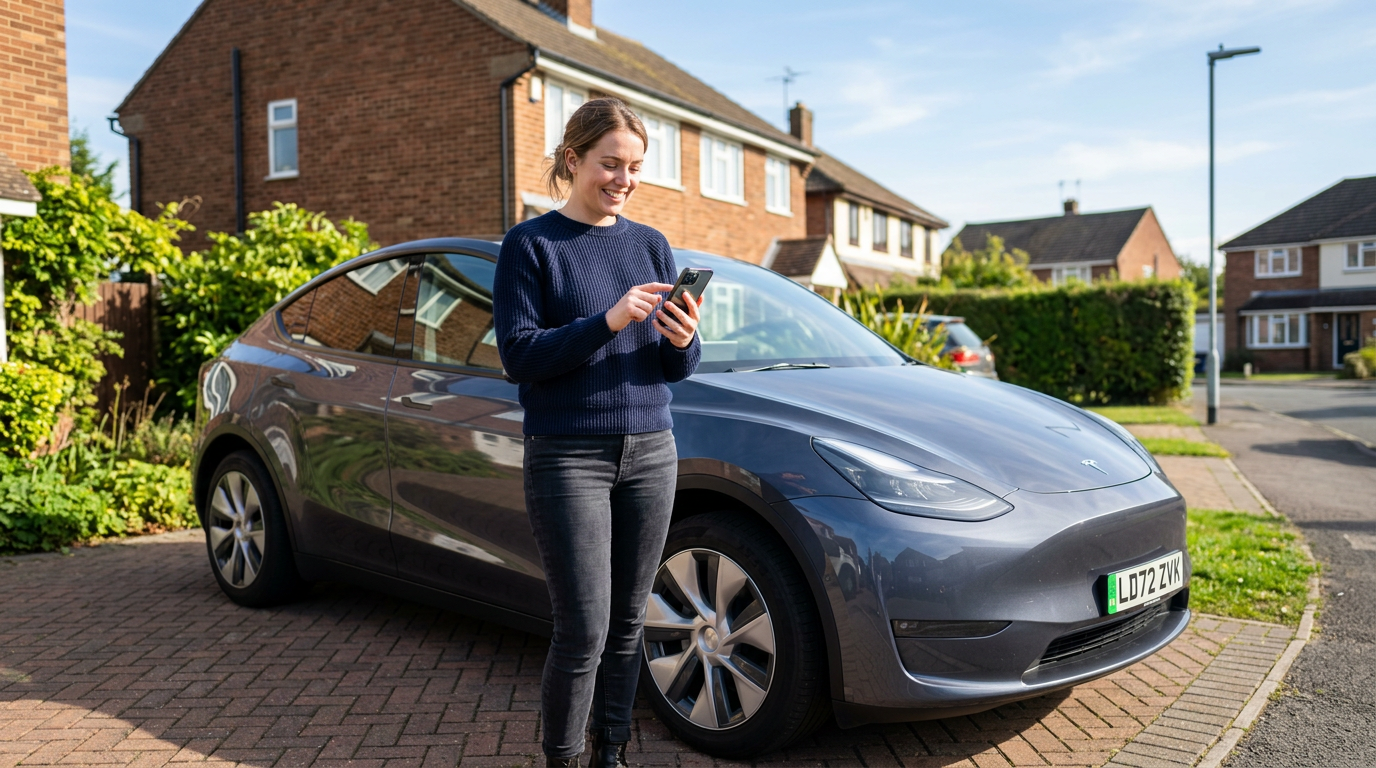
Selling a car privately in the UK remains the best way to maximise your return, often netting you 15-20% more than a dealer part-exchange. However, as we move through 2026, the landscape of private car sales has shifted. Criminals have moved away from simple "cash under the table" tricks and toward sophisticated, high-tech payment fraud.
In an era of instant bank transfers, digital escrow apps, and hyper-realistic "ghost" banking apps, sellers must be more vigilant than ever. This guide explores how to navigate a private car sale in 2026 while keeping your vehicle and your money safe.
The Evolution of the Car Sale Scam in 2026
Gone are the days of counterfeit £20 notes. Today’s scammers use technology to exploit the trust inherent in the peer-to-peer market. To protect yourself, you first need to understand the tools being used against you.
1. The "Ghost" Banking App
This is currently the most prevalent threat in the UK. The "buyer" arrives, inspects the car, and agrees to the price. They appear to open their banking app (looking identical to a Barclays, HSBC, or Monzo interface) and "process" the Faster Payment. They show you a "Transfer Successful" screen with your name and account number.
The Trick: The app is a sophisticated simulation. No money has moved. They pressure you to let them take the car, claiming "bank delays" or "weekend processing times."
2. The Remote Overpayment Scam
In 2026, many buyers want to handle logistics via digital platforms. A scammer may send you an electronic payment (often via a stolen credit card or a fraudulent business account) for more than the asking price. They then ask you to pay their "shipping agent" the difference. When the initial payment is eventually flagged as fraudulent and reversed by the bank, you lose the "refund" you sent and potentially the car.
3. The "Remote Deposit" Phishing
Before even seeing the car, a "buyer" may send a link asking you to "verify" your identity or bank details through a third-party portal to "protect" the deposit. These links are designed to harvest your login credentials or V5C details.
Technical Safeguards for Sellers
When managing a bank transfer car sale, you must dictate the terms. Follow these non-negotiable steps to ensure the funds are genuinely yours.
| Feature | Risk Level | Recommendation |
|---|---|---|
| Cash | High | Avoid large sums due to counterfeit risks and personal safety. |
| Instant Bank Transfer | Medium | Secure ONLY once funds show as "Available Balance" in your own app. |
| Digital Escrow | Low | Use verified UK-regulated services only. |
| Cryptocurrency | Extreme | Avoid for private sales; no regulatory protection (FCA). |
The "Available Balance" Rule
Never trust the buyer’s screen. Only believe what you see on your own device. When the buyer claims they have sent the money, log into your banking app. Do not just look at the "Recent Transactions" list; check your Total Available Balance. Scammers can sometimes make a payment appear as "Pending" which they then cancel before it clears.
Use the "Small Change" Test
If you are nervous, ask the buyer to send £1 first. Once that arrives instantly (as most Faster Payments do), have them send the remaining balance. This confirms the account details are correct and the link is active.
Verifying the Buyer in 2026
In 2026, anonymity is a red flag. A genuine buyer will have no issue providing proof of identity.
- Request a Driving Licence: Check that the name matches the person standing in front of you. Take a photo of it.
- Verify Insurance: Ensure they have "Driving Other Cars" (DOC) cover or a temporary policy (like Veygo or Cuvva) for the test drive. If they have an accident and aren't insured, you as the owner could be liable for "permitting the use of an uninsured vehicle."
- The CarsLink.ai Advantage: Before you even list your vehicle, obtaining a professional valuation and history check via CarsLink.ai provides you with a baseline of security. Being an informed seller makes you a harder target for scammers.
The Paperwork: ULEZ, V5C, and the DVLA
Security isn't just about the money; it’s about the legal transfer of liability.
- The V5C Logbook: Never let a buyer take the entire V5C. You must complete the "Sell, transfer or buy a vehicle" section online at GOV.UK. This is the fastest way to inform the DVLA and ensures you aren't liable for any speeding tickets or ULEZ charges the buyer incurs on the way home.
- The Receipt: Provide a written receipt (two copies) stating: "Sold as seen, tried, and approved without guarantee." Include the date, time, price, and mileage.
- Road Tax: Remind the buyer that road tax is no longer transferable. They must tax the vehicle before driving away, and you will receive a refund for any full remaining months from the DVLA automatically.
Red Flags to Watch For
- The "Buyer" sends a representative: If the person buying the car isn't the one looking at it, be wary. Scammers often use couriers to create distance.
- Pressure tactics: "I'm in a rush, the money will show up in an hour, I need to get home." Genuine buyers understand that £10,000+ transfers require patience.
- Over-sharing: Scammers often provide long, emotive stories about why they need the car or why they can't meet in person. This is a social engineering tactic to lower your guard.
Summary Checklist for a Safe Sale
- Meet in a safe, public place or your home under CCTV.
- Verify the buyer's ID and insurance.
- Never release the car until funds are in your "Available Balance."
- Complete the DVLA transfer online immediately.
- Use CarsLink.ai to ensure your pricing is competitive and your car's history is transparent, which attracts serious, legitimate buyers.
Selling your car privately in 2026 doesn't have to be stressful. By staying tech-savvy and insisting on your own security protocols, you can bypass the "we buy any car" style services and keep the full value of your vehicle.
Looking to get the most for your vehicle before you sell? Visit CarsLink.ai for the UK’s most accurate valuations and comprehensive vehicle history reports today.