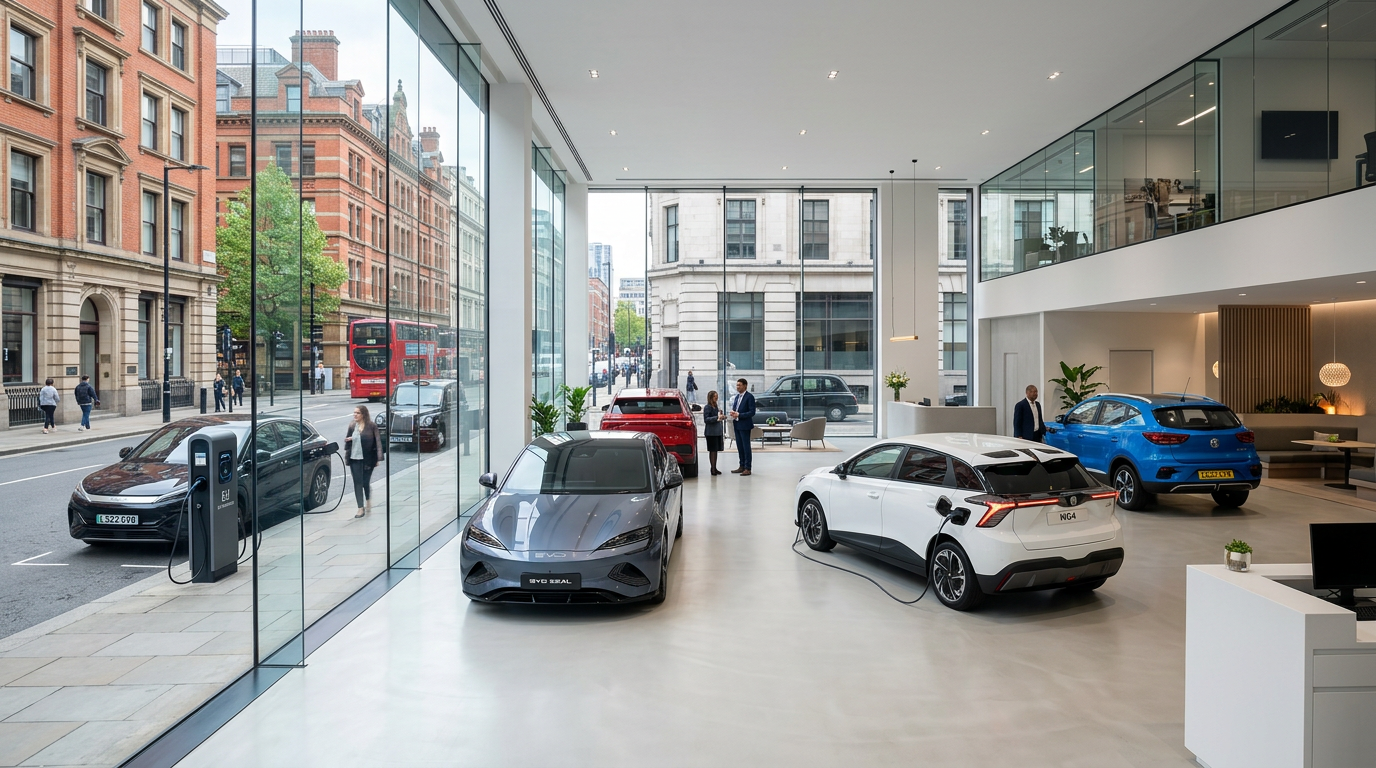
As we move through the second quarter of 2026, the UK automotive landscape has undergone a seismic shift that few would have predicted just five years ago. Gone is the era where European and Japanese marques held an unbreakable monopoly on our driveways. Instead, the 'New Big Five'—a collective of Chinese-owned manufacturers—have moved from the fringes of the market to become the dominant forces in both the new and used electric vehicle (EV) sectors.
From the busy streets of London’s expanded ULEZ zones to the rural road networks of the Scottish Highlands, the sight of an Omoda or an XPeng is now as common as a Ford or a Volkswagen. This transition hasn't just happened by accident; it is the result of aggressive pricing, superior battery technology, and a rapid rollout of UK-based service networks.
The Dominance of the 'New Big Five'
By April 2026, five specific brands have established themselves as the core pillars of the UK’s electric transition. These manufacturers have successfully navigated the complexities of UK Type Approval and managed to win over a traditionally skeptical British public.
| Brand | Key Model (2026) | Market Positioning | Estimated UK Share (EV segment) |
|---|---|---|---|
| BYD | Atto 3 / Seal | Tech-forward, high-range | 18% |
| MG (SAIC) | MG4 / Cyberster | Accessible value, heritage | 21% |
| Omoda | E5 | Lifestyle, SUV-focused | 12% |
| GWM Ora | 03 (Funky Cat) | Urban, design-led | 9% |
| XPeng | G6 | Premium, AI-integrated | 7% |
BYD: The Vertical Integration Kings
BYD (Build Your Dreams) has become the global leader for a reason. Unlike other manufacturers who rely on external suppliers, BYD produces its own chips and 'Blade' battery technology. In 2026, the BYD Seal has become the default choice for UK company car drivers on PCP and Salary Sacrifice schemes, offering a range-to-price ratio that Tesla has struggled to match.
MG: The Homegrown Hero Reborn
While owned by SAIC, MG has leveraged its British heritage perfectly. The MG4 remains the UK’s best-selling electric hatchback for the third year running. For dealers and traders, MG stock is currently "gold dust" on the wholesale market because of its rapid turnaround and established reliability record.
Why Chinese Brands Succeeded Where Others Failed
The success of Chinese EV brands in the UK in 2026 isn't just about cheap manufacturing. It’s about a fundamental shift in what British consumers value.
- Software-First Approach: Traditional European brands have struggled with "glitchy" infotainment systems. In contrast, brands like XPeng and NIO offer seamless AI integration, voice control that actually works, and over-the-air (OTA) updates that genuinely improve the car every month.
- Inventory Availability: While some legacy brands still cite 6-month lead times due to supply chain hangovers, Chinese marques have streamlined logistics, often delivering new cars to UK ports within weeks.
- Comprehensive Warranties: To combat early reliability concerns, most "New Big Five" brands offer 7-year or 100,000-mile warranties as standard, often transferable to second owners, which has bolstered the used car market significantly.
The Used Market: Reliability and Residual Values
One of the most frequent questions we see at CarsLink.ai involves the long-term viability of these cars. If you are looking at a 2023 or 2024 BYD or MG on the used market, the data is now clear: used Chinese EV reliability is matching, and in some cases exceeding, that of their European counterparts.
Battery degradation on the LFP (Lithium Iron Phosphate) cells used by BYD and GWM Ora has proven remarkably low. Recent DVLA MoT data for three-year-old MG4s shows a first-time pass rate comparable to the Toyota Prius—traditionally the gold standard for reliability.
Considerations for Used Buyers:
- V5C and Import Status: Ensure the vehicle was an official UK import and not a "grey market" parallel import, as this can affect your ability to get parts.
- Insurance Groups: Early Chinese EVs were placed in high insurance groups due to a lack of spare parts. By 2026, parts hubs in the Midlands have opened, significantly lowering premiums for the 'Big Five'.
- Charging Infrastructure: Most of these models now support 150kW+ DC rapid charging, making them compatible with the latest high-speed UK charging hubs.
The Dealer Perspective: High Margin, High Demand
For UK motor traders, the shift has required a change in strategy. Independent dealers who previously specialised in ICE (Internal Combustion Engine) BMWs or Audis are now pivoting toward Chinese EVs.
The appeal for dealers is twofold: lower acquisition costs and high consumer demand. As the 2030/2035 ban on new petrol and diesel cars nears, the 2026 market is seeing a massive influx of "transition buyers"—consumers who want their first EV but don't want to spend £60,000. Brands like Omoda have filled this £28,000–£35,000 "sweet spot" perfectly.
Taxation and ULEZ: The Economic Push
Government policy continues to favour these brands. With the 2026 Road Tax (VED) changes now in full effect for EVs, the lower MSRP of Chinese brands means more buyers stay under the "Expensive Car Supplement" threshold (£40,000).
Furthermore, as more UK cities introduce Clean Air Zones (CAZ) mirroring London's ULEZ, the demand for affordable, high-range Chinese EVs has skyrocketed in cities like Birmingham, Bristol, and Manchester.
Comparing the Giants: BYD vs MG vs Omoda UK
If you are currently browsing CarsLink.ai for your next vehicle, you likely have these three on your shortlist. Here is how they stack up in the 2026 market:
| Feature | MG (MG4) | BYD (Atto 3) | Omoda (E5) |
|---|---|---|---|
| Typical Used Price (2-year-old) | £18,500 | £22,000 | £23,500 |
| Real-World Range | 220 - 280 miles | 230 - 260 miles | 250 miles |
| Tech Strength | Simplicity / Value | Battery Safety (Blade) | Luxury Interior / Styling |
| Best For | Families on a budget | Tech enthusiasts | Urban professionals |
Final Thoughts for 2026
The "New Big Five" are no longer the "underdogs." They are the market leaders in innovation and value. Whether you are a dealer looking to refresh your forecourt or a consumer looking for your first reliable used EV, these brands offer a compelling mix of technology, warranty, and price.
The UK car market has forever changed. As we look toward 2027 and beyond, the competition from these brands is only going to drive better quality and lower prices for every British motorist.
Ready to find your next electric vehicle? Whether you’re looking for a nearly-new MG or a cutting-edge BYD, use CarsLink.ai to search thousands of verified dealer listings across the UK and find the best AI-powered deals today.