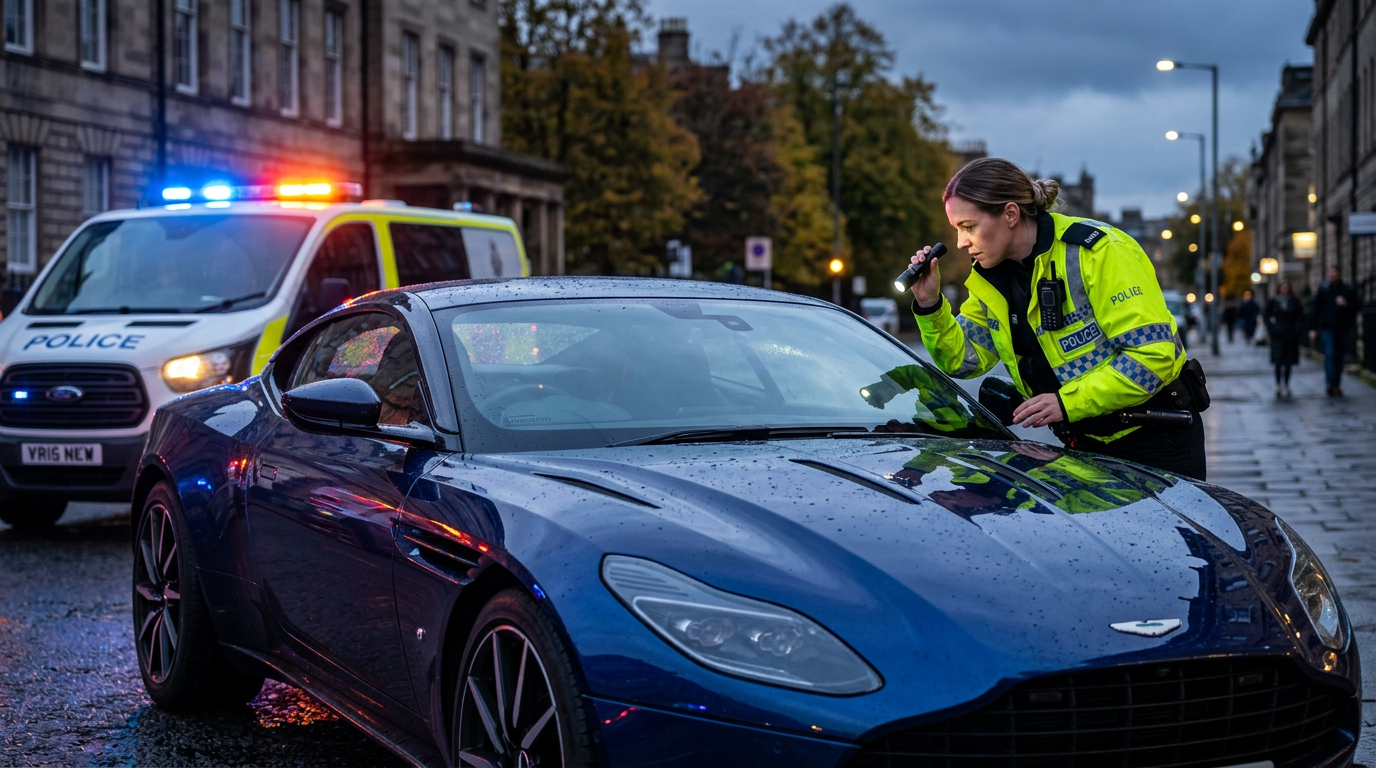
When you browse the digital forecourts of 2026, the speed and convenience of buying a vehicle have reached unprecedented levels. However, the sophistication of vehicle theft and "cloning" has evolved alongside it. For any UK motorist, falling victim to a car theft scam is more than just a financial nightmare; it is a complex legal maze involving the Police National Computer (PNC), the Crown Prosecution Service, and the stringent provisions of the Theft Act 1968.
Understanding the legal reality of unknowingly purchasing a stolen vehicle is critical to protecting your assets and your liberty.
The Legal Framework: Section 22 of the Theft Act 1968
The most critical piece of legislation regarding stolen goods is the Theft Act 1968. Specifically, Section 22 deals with "Handling Stolen Goods."
Under Section 22, a person commits an offence if:
- They receive the goods, or;
- They undertake or assist in their retention, removal, disposal, or realisation by or for the benefit of another person, or;
- They arrange to do so.
Critically, the statute requires that the person knows or believes the goods to be stolen. While most innocent buyers will not be charged with handling stolen goods because they lacked "guilty knowledge" (mens rea), the burden of proof often leaves buyers in a stressful position during a police investigation. If you are found with a vehicle that has a "Stolen" marker on the Police National Computer (PNC), the vehicle will be seized immediately, regardless of your innocence.
The Role of the PNC and Vehicle Provenance
The Police National Computer (PNC) is the master database used by UK law enforcement to track stolen property. When a car is reported stolen, a marker is placed against its Vehicle Identification Number (VIN) and registration mark.
In 2026, vehicle provenance checks have become more integrated than ever. A comprehensive PNC stolen vehicle check (often accessed via private HPI or provenance providers) does more than just check if the car is currently reported missing; it looks for:
- Stolen Markers: Active reports of theft or carjacking.
- Insurance Write-offs: Vehicles that should have been scrapped but were "ringed" (given the identity of a similar crashed car).
- Outstanding Finance: Under the Consumer Credit Act 1974, if a car is on a Hire Purchase (HP) or Personal Contract Purchase (PCP) agreement, the car technically belongs to the finance company, not the seller. If the seller hasn't cleared the balance, selling it can be a form of theft (larceny by trick or conversion).
Buyer Rights: Private vs. Dealer Purchases
Your legal recourse depends entirely on who sold you the vehicle. The law draws a sharp distinction between a "Trader" and a "Private Seller."
1. Buying from a Registered Dealer
If you unknowingly buy a stolen car from a motor trader, you are protected by the Consumer Rights Act 2015 (CRA 2015).
- Section 17 (Right to Supply): The trader must have the "right to sell" the goods. If the car is stolen, the trader does not have legal title to it, meaning they have breached a statutory condition of the contract.
- Remedy: You are entitled to a full refund. Unlike mechanical faults, there is no "right to repair" here; the contract is void from the outset.
2. Buying from a Private Individual
This is the "danger zone." In private sales, the Sale of Goods Act 1979 applies. While Section 12 of this Act also implies that the seller must have the right to sell the goods, enforcing this is notoriously difficult. If the seller was a fraudster, they likely disappeared the moment the cash changed hands.
| Feature | Dealer Purchase (CRA 2015) | Private Purchase (SGA 1979) |
|---|---|---|
| Legal Protection | High - Statutory rights | Low - Caveat Emptor (Buyer Beware) |
| Right to Refund | Absolute (Section 17 breach) | Theoretical, but hard to enforce |
| PNC Liability | Dealer usually liable for due diligence | Buyer carries all the risk |
| Finance Claims | Section 75 Protection (if £100+ paid by credit) | No Section 75 protection |
The "Nemo Dat" Rule: Who Owns the Car?
The UK operates under the legal principle of "Nemo dat quod non habet" — literally meaning "no one gives what they do not have."
If a thief steals a car and sells it to you, they never had "legal title" to the vehicle. Therefore, they cannot pass legal title to you. In the eyes of the law, the car still belongs to the original owner or their insurance company (if a claim has already been paid out). When the police identify the vehicle via a PNC check, they will seize it. You will lose the car and the money you paid for it.
Exception: The Hire Purchase Act 1964 (Part III) There is one specific "innocent purchaser" protection. If a private individual buys a car in good faith without notice that it is subject to a Hire Purchase or Conditional Sale agreement, they may actually acquire good title to the vehicle. Note: This does not apply to cars that were stolen from a driveway; it only applies to cars where the seller has "possession" legally but hasn't finished paying the finance.
Reporting Stolen Cars 101: What to do in 2026
If you discover you have bought a stolen vehicle, or if you suspect a vehicle on a platform like CarsLink.ai looks suspicious (e.g., the price is too good to be true or the VIN plate looks tampered with), follow these steps:
- Do Not Move the Vehicle: If you have it in your possession, moving it could technically be seen as "assisting in the removal" under Section 22 of the Theft Act.
- Contact 101: Report your concerns to the police immediately. Provide the registration, VIN, and the details of the seller.
- Secure Documentation: Keep all screenshots of the advertisement, text messages, and receipts. In 2026, digital footprints are the strongest evidence for the police to track "ghost" sellers.
- Contact your Insurance: Inform your insurer. If the car is seized, your policy will likely be cancelled for that vehicle, and you may need to discuss "innocent purchaser" clauses if applicable.
Dealer Obligations: Due Diligence in 2026
Under the Consumer Protection from Unfair Trading Regulations 2008 (CPRs), car dealers have a proactive duty to ensure they are not engaging in "misleading omissions."
- Due Diligence: A dealer must perform a comprehensive vehicle provenance check before putting a car on the forecourt.
- Criminal Liability: A dealer who recklessly sells a stolen vehicle can be prosecuted under the CPRs or even the Business Protection from Misleading Marketing Regulations 2008.
- FCA Regulation: If the dealer provides finance, they must adhere to FSMA 2000 standards. If they sell you a stolen car on finance, the finance company actually shares the liability under Section 75 of the Consumer Credit Act 1974, provided the "cash price" was between £100 and £30,000. This is often the only way victims get their money back.
Practical Example: The "Cloned" Tesla Scenario
Imagine you buy a 2024 Tesla from a private seller on social media. You run a basic check, and the registration comes back clear. Two months later, police knock on your door.
The car was "cloned." The registration belonged to a legal Tesla in another city, but the physical car you bought was stolen from a Heathrow car park. The thieves changed the VIN plates and "flashed" the software to match the legal car.
In this scenario, under Section 22 of the Theft Act, the police will seize the car. Since it was a private sale, you have no dealer to claim from. Your only hope is that you paid at least £100 of the deposit via a credit card, allowing you to hold the credit provider jointly liable under Section 75 of the Consumer Credit Act 1974—though this is legally complex when a private "non-trade" seller is involved.
Key Takeaways
- The PNC is Final: If the Police National Computer says the car is stolen, you will lose the vehicle. Professional checks are mandatory, not optional.
- Section 22 Risk: While "innocent" buyers aren't usually jailed, the stress of an investigation into "Handling Stolen Goods" is significant. Always keep a paper trail to prove your "good faith."
- Dealers are Safer: The Consumer Rights Act 2015 gives you an absolute right to a refund if a dealer sells you a car they didn't have the right to sell.
- Private Sales are High Risk: You have almost no protection if a private seller vanishes with your money after selling you a stolen car.
- Verify the VIN: Always compare the physical VIN on the chassis/windscreen with the Logbook (V5C) and the digital records on a tool like CarsLink.ai.
This article is for general information only and does not constitute legal advice. For specific legal matters regarding the Theft Act or consumer disputes, consult a qualified solicitor.