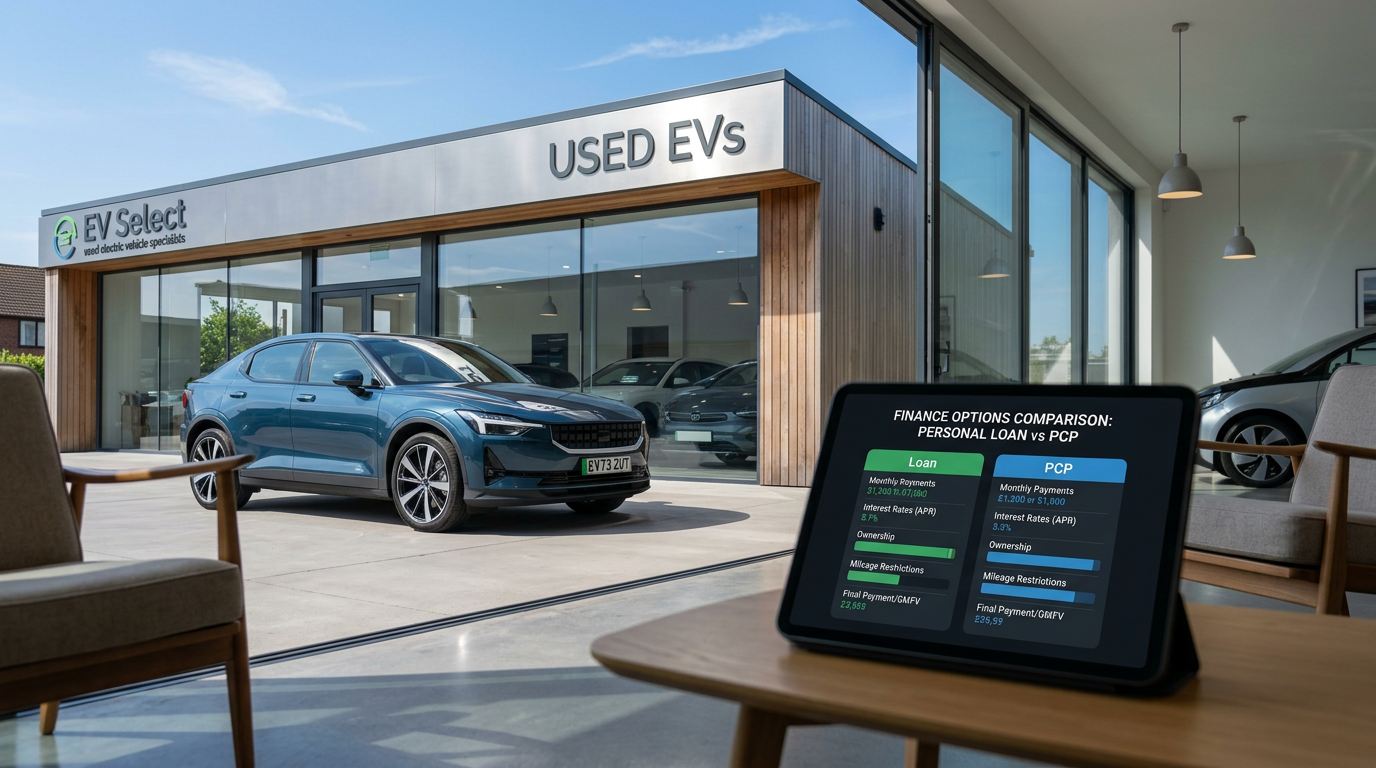
As we approach the height of summer 2026, the UK used car market is experiencing a significant shift. With the Bank of England base rate finally showing signs of stabilisation after the volatility of the mid-2020s, and the supply of three-year-old electric vehicles (EVs) hitting record highs, savvy buyers are asking one critical question: Should I choose a Personal Loan or a Personal Contract Purchase (PCP)?
Choosing the right finance route in June 2026 isn't just about the monthly payment—it’s about protecting yourself against market depreciation, managing ULEZ requirements, and navigating the digital-first lending landscape of CarsLink.ai.
The State of UK Car Finance in 2026
The landscape has changed. Gone are the days of '0% interest' being a standard showroom lure. In 2026, UK car finance rates for used vehicles typically range between 6.9% and 12.9% APR, depending on your credit score and the age of the vehicle.
Furthermore, with the expansion of Clean Air Zones across the UK, there is a distinct premium on Euro 6 diesel and ULEZ-compliant petrol engines. This makes the "end-of-term" value of your car more unpredictable than ever, directly impacting how you should finance it.
Option 1: The Personal Loan (Unsecured Credit)
A personal loan is often seen as the 'cleanest' way to buy a used car. You borrow the money from a bank or building society, pay the seller in full, and you own the car from day one.
The Pros of Personal Loans in 2026
- Full Ownership: Because the loan isn't secured against the vehicle, the car is yours. You can sell it or modify it whenever you like without asking a finance company's permission.
- No Mileage Restrictions: If you’re planning a summer road trip to the Scottish Highlands or down to Cornwall, you don't have to worry about excess mileage charges.
- Competitive Rates for High Credit Scores: For those with a Tier 1 credit rating, cheap car credit UK providers currently offer personal loans that often undercut PCP interest rates by 1-2%.
The Cons
- Higher Monthly Payments: Since you are paying back the full value of the car plus interest, your monthly outgoings will be significantly higher than a PCP.
- Depreciation Risk: You take the full hit if the car’s value plummets. With the rapid evolution of battery technology in 2026, some older EVs may depreciate faster than expected.
Option 2: Personal Contract Purchase (PCP)
PCP remains the UK's most popular way to finance a car. You pay a deposit, followed by monthly payments that cover the car's depreciation, and then a final 'balloon payment' if you want to keep it.
The Pros of PCP in 2026
- Lower Monthly Cost: Because you aren't paying off the whole car, PCP makes more expensive, premium vehicles (like a 2023 BMW i4 or a Tesla Model 3) more affordable on a monthly basis.
- The GMFV Safety Net: The Guaranteed Minimum Future Value (GMFV) is your shield. If used car prices crash in three years, you can simply hand the keys back and walk away, leaving the lender to deal with the loss.
- Flexibility: At the end of the term, you can buy it, return it, or use any equity as a deposit for your next car found on CarsLink.ai.
The Cons
- Strict Terms: You must stick to an agreed mileage limit and keep the car in "good condition" according to BVRLA standards.
- Interest on the Balloon: You pay interest on the full amount of the car, including the balloon payment you haven't yet paid off. This makes the total cost of credit higher than a loan.
Direct Comparison: June 2026 Market Data
To help you decide, let's look at a typical scenario for a used 2023 Volkswagen Golf (Petrol, ULEZ Compliant) priced at £18,000.
| Feature | Personal Loan (5 Years) | PCP (4 Years) |
|---|---|---|
| Typical APR | 7.5% | 9.9% |
| Deposit | £1,000 | £1,000 |
| Monthly Payment | £339 | £245 |
| Balloon Payment | None | £8,500 |
| Ownership | Instant | Only after Balloon payment |
| Total Cost of Credit | £20,340 | £21,260 |
Note: Figures are indicative of June 2026 market averages.
Which is Right for You This Summer?
Choose a Personal Loan if:
- You keep cars for a long time: If you plan to drive the car for 5-8 years, the higher monthly cost is worth the eventual freedom from debt.
- You do high mileage: If you do 15,000+ miles a year, PCP excess charges (often 10p-15p per mile) will become a financial nightmare.
- You want a 'Simplified' V5C: With a bank loan, you are the registered keeper and the owner. There are no complications regarding the V5C logbook being held by a finance house.
Choose PCP if:
- You want the newest car possible: If your priority is the latest tech and safety features but you have a strict monthly budget, PCP is the winner.
- You are worried about EV tech: If you are buying a used electric vehicle, the GMFV provides peace of mind against rapid battery tech obsolescence.
- You like to change cars often: If you enjoy upgrading every 3 or 4 years, the PCP provides a seamless "trade-in" cycle.
Vital Checks Before You Sign
Regardless of which route you take, ensure you have checked the MOT history via the DVLA website. In 2026, many finance providers now require a "Clean MOT" for at least 6 months remaining to approve a used car loan. Additionally, ensure you have factored in the Road Tax (VED) changes; as of 2025/26, even electric vehicles now pay a standard rate of road tax, which can impact your monthly running costs.
Conclusion
The "Personal Loan vs PCP" debate in 2026 comes down to Ownership vs. Flexibility. If you want the lowest total cost and the freedom of the open road, the Used Car Personal Loan 2026 market offers great value for high-credit buyers. However, if you want to hedge your bets against a fluctuating used car market and keep your monthly outgoings low, PCP remains a powerful tool.
Start your journey by browsing the latest, verified listings and finance calculators on CarsLink.ai. Whether you're looking for a thrifty hybrid or a family SUV, we help you find the car and the credit that fits your life.
Ready to find your next car? View our latest stock and compare finance options at CarsLink.ai today.