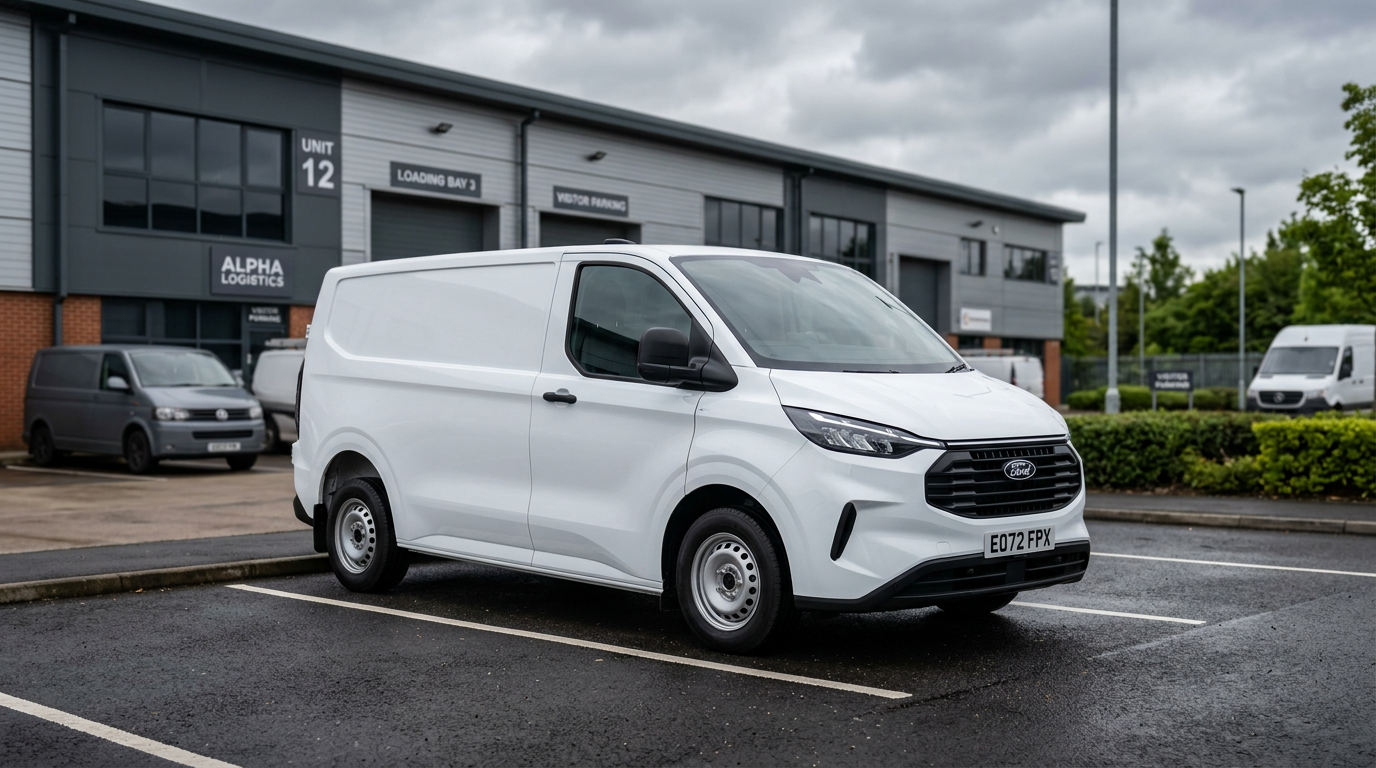
In the fast-moving commercial landscape of 2026, the choice of how to fund your next workhorse has never been more critical. With the UK government’s strict Zero Emission Vehicle (ZEV) mandates now in full swing, and more cities introducing Clean Air Zones (CAZ), small business owners aren't just choosing a brand—they are choosing a complex financial architecture.
Whether you are a solo sparky looking for a Ford Transit Custom PCP or a fleet operator managing a dozen deliveries, understanding the nuances between Personal Contract Purchase (PCP) and Contract Hire (Leasing) is the difference between healthy cash flow and a balance sheet disaster.
The 2026 Landscape: Why Finance Matters Now
The UK van market has shifted significantly over the last 24 months. Interest rates have stabilised, but the list prices of new electric vans (e-LCVs) remain at a premium compared to their diesel predecessors. Meanwhile, the second-hand market for Euro 6 diesels is tightening as low-emission zones expand across the North and Midlands.
For the small business owner, "buying outright" is increasingly rare. Capital is better kept in the business for growth, while finance allows for a predictable monthly outgoing. But which route should you take?
Understanding Contract Hire (Leasing)
Leasing, or Business Contract Hire (BCH), is effectively a long-term rental. You pay an initial rental (usually 3, 6, or 9 months upfront), followed by fixed monthly payments for 2 to 5 years. At the end, you simply hand the keys back.
The Benefits of Leasing in 2026
- VAT Efficiency: If your business is VAT-registered, you can usually reclaim 100% of the VAT on your monthly payments if the van is used exclusively for business.
- Off-Balance Sheet: Leasing doesn't usually show as a debt in the same way a loan does, which can be beneficial for your credit score.
- No Depreciation Risk: This is vital in 2026. As battery technology improves and hydrogen options emerge, the residual value of today’s electric vans is hard to predict. With a lease, that risk sits with the finance company, not you.
- Maintenance Packages: Most leases allow you to bundle servicing, tyres, and MOTs into one monthly payment, making budgeting foolproof.
Understanding PCP (Personal/Business Contract Purchase)
Despite the "Personal" in the name, PCP is frequently used by sole traders and small partnerships. It is a hybrid between a loan and a lease. You pay a deposit, monthly instalments, and at the end of the term, you have three choices: pay a "Balloon Payment" to own the van, trade it in for a new one, or walk away.
The Benefits of PCP for Commercials
- Flexibility: It offers a lower monthly payment than a standard Hire Purchase (HP) because of the deferred balloon payment.
- Equity Potential: If your van is worth more than the GMFV (Guaranteed Minimum Future Value) at the end of the term, you can use that equity as a deposit for your next vehicle.
- Ownership Option: Unlike a lease, you have a route to owning the asset, which might be preferable if you plan to keep the van for 10+ years.
PCP vs. Leasing: A Side-by-Side Comparison
| Feature | Business Contract Hire (Lease) | Contract Purchase (PCP) |
|---|---|---|
| Ownership | Never (Rental only) | Optional (After Balloon Payment) |
| VAT Treatment | Monthly on payments (Reclaimable) | Full VAT usually paid upfront |
| Mileage Limits | Strict (Charges for excess) | Strict (If returning the van) |
| Modifications | Generally not allowed | Allowed (if not affecting value) |
| Depreciation Risk | Held by the Finance Company | Held by you (if you choose to buy) |
| Maintenance | Can be included | Usually separate |
The "Transit Custom" Benchmark
In 2026, the Ford Transit Custom remains the UK’s best-selling commercial vehicle. When looking for Ford Transit Custom PCP deals, business owners often find the GMFV is set quite high because these vans hold their value exceptionally well.
Example Scenario (Estimated for 2026): For a mid-spec Ford E-Transit Custom, a lease might cost £450 +VAT per month with a 6-month initial rental. A PCP might look like £495 per month, but require a larger upfront deposit and leave you with a £15,000 balloon payment in three years.
Key Considerations for UK Small Businesses
1. The ULEZ and CAZ Factor
If your work takes you into London, Birmingham, Bristol, or Glasgow, your finance choice must ensure the vehicle is compliant. In 2026, many cities are tightening "Clean Air Zone" rules to favor electric vans. Leasing an EV can be a safer way to "test" the infrastructure without committing to the high purchase price of a new battery-electric vehicle.
2. Tax Implications (Capital Allowances)
Under current 2026 HMRC rules, buying a van via PCP or Hire Purchase often allows for "Full Expensing" or the Annual Investment Allowance (AIA), letting you deduct the full cost of the van from your pre-tax profits in the first year. Leasing does not allow this, though you can deduct the monthly rental costs. Always consult your accountant before signing.
3. Payload and Usage
If your business involves heavy-duty work (e.g., scaffolding, heavy plant transport) where the van is likely to suffer significant wear and tear, a lease might lead to hefty "end-of-contract" refurbishment charges. In these cases, PCP or HP—where you own or have the option to own the asset—is often more forgiving.
Finding the Best Van Finance Rates in 2026
Interest rates for commercial vehicle finance in 2026 are currently averaging between 7% and 11% APR for small businesses, depending on credit history. To get the best deal:
- Check your business credit score: Long before you visit a dealer.
- Compare specialised lenders: Don't just take the first offer from the main dealer.
- Use AI-powered tools: Platforms like CarsLink.ai allow you to filter through thousands of commercial listings to find vehicles that specifically fit your budget and finance requirements, saving hours of manual searching.
Final Verdict: Which Should You Choose?
Choose Leasing if: You want the lowest possible monthly cost, want to drive a brand-new van every 3 years, and are VAT-registered. It is the gold standard for fleet operators who need to manage 10+ vehicles across the UK.
Choose PCP if: You want the option to keep the van at the end, expect to do lower mileage, or want the potential to benefit from the van’s resale value after the term ends.
Navigating the world of the UK commercial market can be daunting, but with the right financial structure, your van becomes a tool for profit rather than a drain on resources. Ready to upgrade your fleet? Start your search on CarsLink.ai to find the best 2026 van deals near you.
Looking for your next commercial vehicle? Use CarsLink.ai to browse the latest Ford, Volkswagen, and Vauxhall vans available with flexible finance options across the UK.