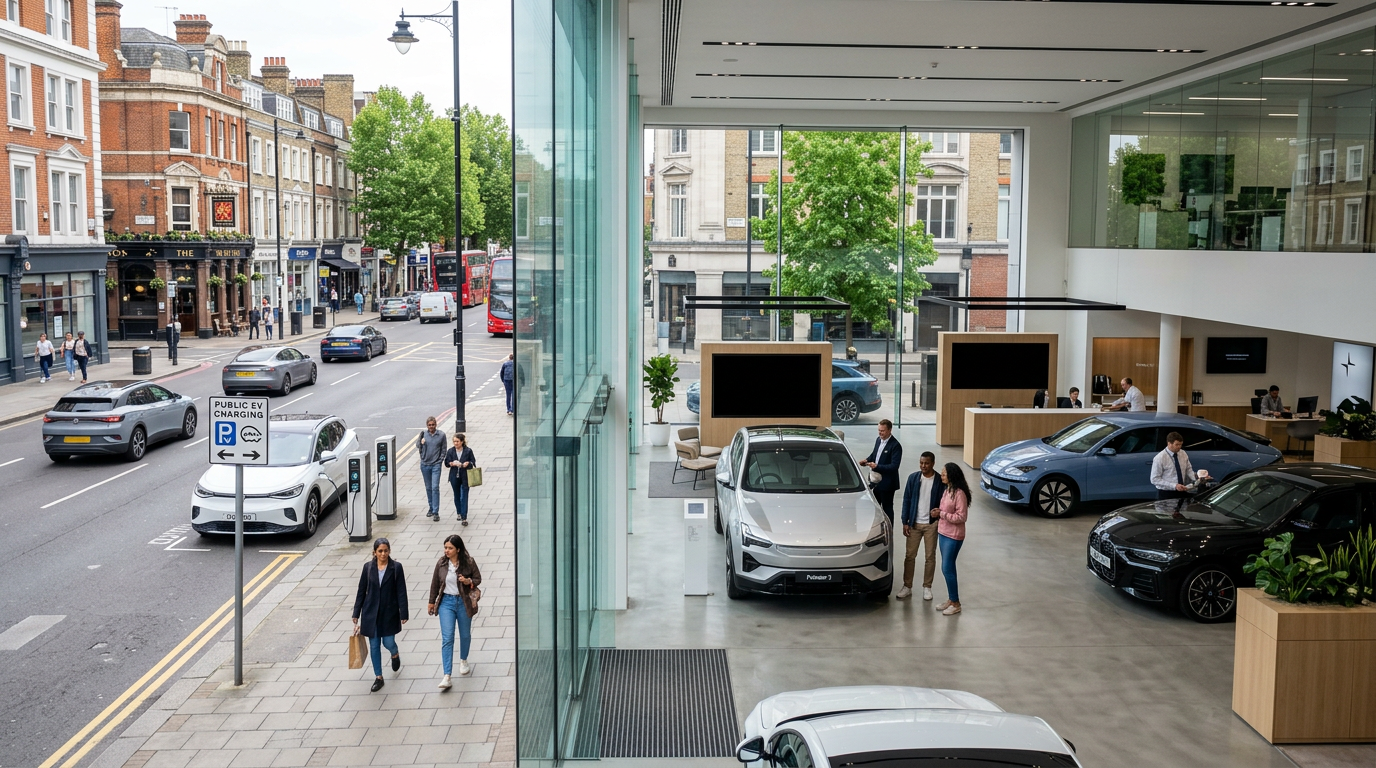
The landscape of UK car finance has undergone a significant transformation. As we navigate the first quarter of 2026, the car market is stabilising after several years of supply chain volatility, yet the cost of borrowing remains a primary concern for British motorists. Whether you are browsing for a nearly-new Tesla Model 3 or a dependable used Volkswagen Golf on CarsLink.ai, understanding the nuances between Personal Contract Purchase (PCP) and Hire Purchase (HP) is more critical than ever.
In 2026, "ownership" and "flexibility" are the two pillars driving consumer choice. With the 2030 ban on new petrol and diesel car sales fast approaching, buyers are increasingly strategic about how they fund their vehicles to protect themselves against future depreciation or shifts in EV regulations. This guide breaks down the current state of the UK finance market to help you decide which path fits your wallet.
The 2026 Financial Climate: Interest Rates and Transparency
As of March 2026, the Bank of England base rate has settled into a 'new normal' of around 3.5%, leading to representative APRs on used cars ranging from 7.9% to 12.9% for those with good credit scores.
Furthermore, the Financial Conduct Authority (FCA) has introduced even stricter transparency rules this year. Dealers are now required to provide clearer 'total cost of ownership' breakdowns, making it easier for buyers to spot the differences between PCP and HP without the jargon.
What is Personal Contract Purchase (PCP) in 2026?
PCP remains the most popular form of car finance in the UK, particularly for modern EVs and premium brands like BMW or Audi. You pay an initial deposit, followed by monthly instalments, but you don't pay for the whole car. Instead, you pay for the depreciation the car will experience over the term (usually 3 to 4 years).
At the end of the agreement, you have three choices:
- The Balloon Payment: Pay the Optional Final Payment (GMFV - Guaranteed Minimum Future Value) to own the car outright.
- Hand it Back: Return the keys and walk away (subject to mileage and condition).
- Part-Exchange: Use any 'equity' (if the car is worth more than the balloon payment) as a deposit for your next car.
Pros of PCP in 2026
- Lower Monthly Payments: Ideal for maintaining cash flow.
- Hedge Against Evolving Tech: If EV battery tech leaps forward in three years, you aren't stuck with an obsolete asset; you can simply return it.
- Access to Better Cars: Lower monthly costs often allow buyers to opt for a higher-spec model than they could afford on HP.
What is Hire Purchase (HP) in 2026?
HP is the traditional route to ownership. You pay a deposit and then divide the remaining balance (plus interest) into equal monthly payments. Once the final payment is made, you own the car 100%.
Pros of HP in 2026
- No Mileage Restrictions: Unlike PCP, there are no "excess mileage" charges because you are buying the car.
- No Large Final Payment: You don’t need to worry about finding £10,000 to keep your car at the end of the term.
- Long-Term Value: In 2026, with used car prices remaining resilient, HP often results in lower total interest paid over 5-7 years compared to rolling over multiple PCP deals.
Head-to-Head: PCP vs HP Comparison 2026
To illustrate the difference, let’s look at a typical 2023 Kia EV6 (priced at £32,000) over a 48-month term with a £4,000 deposit and a representative 9.9% APR.
| Feature | PCP (Personal Contract Purchase) | HP (Hire Purchase) |
|---|---|---|
| Monthly Payment | £385 | £695 |
| Deposit Required | £4,000 | £4,000 |
| Mileage Limit | Typically 8,000 - 10,000/yr | No Limit |
| End of Term Action | Balloon Payment or Hand Back | Automatic Ownership |
| Total Interest Paid | Higher (Interest on the Balloon) | Lower |
| Total Cost to Own | ~£38,500 | ~£37,360 |
Which Should You Choose?
Choose PCP if...
- You like to change your car every 3 or 4 years to keep up with the latest ULEZ-compliant tech.
- You want lower monthly outgoings to manage other costs of living.
- You are unsure about the long-term resale value of a specific EV or Hybrid model.
Choose HP if...
- You plan on keeping the car for 5 to 10 years.
- You cover high annual mileages (e.g., 20,000+ miles for commuting) that would trigger heavy PCP penalties.
- You want the simplicity of a "pay-to-own" structure without a balloon payment looming.
Essential Tips for Car Buyers in 2026
Whether you are a private buyer or a dealer trading on the CarsLink.ai platform, these three tips are vital for 2026:
- Check the V5C and MOT History: Even with finance, ensure the car has a clean history. Use the DVLA’s digital portal to verify the MOT status and any outstanding recalls.
- Insurance Groups Matter: With UK car insurance premiums remaining high, check the insurance group before signing a finance deal. A PCP payment might be affordable, but a high-performance EV might push your monthly "running cost" over budget.
- The "Equity Trap": In 2026, be cautious of GMFVs. If used car prices dip unexpectedly, you may find yourself with "zero equity" at the end of a PCP, meaning no deposit for your next car. Always have a backup plan.
The Role of AI in Finding Finance
Modern tools like CarsLink.ai allow you to filter cars not just by price, but by estimated finance repayments based on real-time UK market data. This transparency helps you compare whether a slightly older luxury car on HP is a better financial move than a newer mid-range car on PCP.
Conclusion
In 2026, there is no "one-size-fits-all" answer. PCP offers the flexibility and protection against tech obsolescence that many EV buyers crave, while HP remains the bedrock for those seeking long-term ownership and freedom from mileage caps.
Before you visit the forecourt, run your numbers. Consider your career stability, your annual mileage, and how long you truly intend to keep the vehicle. By doing your homework now, you ensure that your next car is a source of freedom, not a financial burden.
Ready to find your next car? Browse the latest UK stock on CarsLink.ai and use our integrated finance calculators to see your PCP and HP options side-by-side.