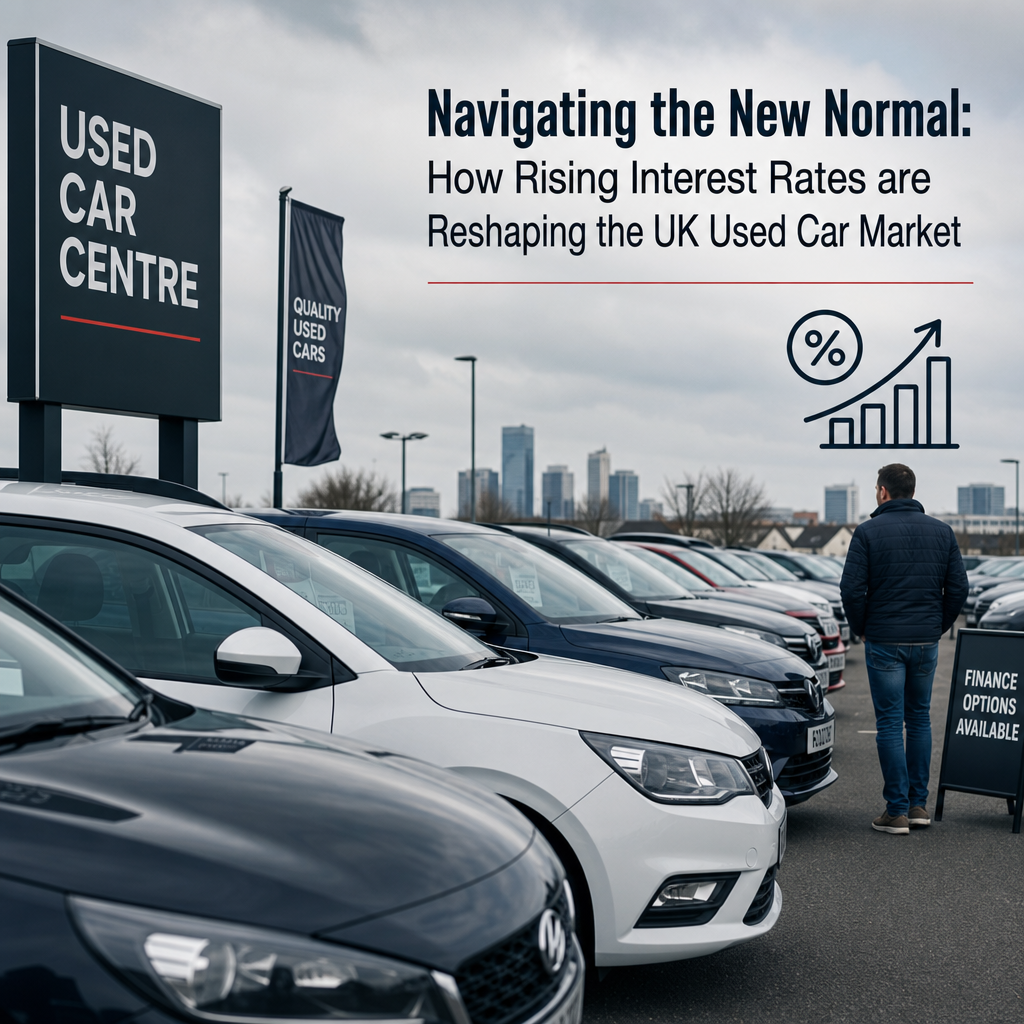
Navigating the New Normal: How Rising Interest Rates are Reshaping the UK Used Car Market
For years, the UK used car market hummed along, fuelled by consistently low interest rates. Borrowing was cheap, monthly repayments were manageable, and consumer confidence soared, making it easier than ever to upgrade your wheels. Then came the economic shifts: inflation rose, and the Bank of England responded by steadily increasing interest rates. This wasn't just a ripple; it was a seismic shift, fundamentally reshaping the landscape for buyers, sellers, and dealers alike.
The era of 'easy money' is over, and understanding how these higher borrowing costs impact used car transactions is crucial. This article will delve into the practical implications of rising interest rates, offering insights and strategic advice for anyone looking to buy or sell in this evolving market.
The Ripple Effect on Affordability: Your Wallet's New Reality
The most immediate and noticeable impact of rising interest rates is on personal finance. For the vast majority of UK car buyers who rely on finance to secure their next vehicle, higher borrowing costs translate directly into increased monthly repayments or a reduced budget for the same monthly outlay.
Consider the popular Personal Contract Purchase (PCP) and Hire Purchase (HP) agreements. These finance products are inherently sensitive to interest rate fluctuations. When the Bank of England base rate rises, lenders face higher costs themselves, which they pass on to consumers through increased Annual Percentage Rates (APRs).
Example: Imagine you're looking to finance a used car costing £20,000 over a 48-month PCP deal with a £2,000 deposit.
- In the low-rate era (e.g., 2% APR): Your monthly repayment might have been around £340, with a balloon payment (Guaranteed Minimum Future Value - GMFV) of, say, £8,000 at the end.
- In the new normal (e.g., 7% APR): For the exact same car, deposit, and term, your monthly repayment could jump to around £380-£400. That's a significant increase of £40-£60 per month, directly from the cost of borrowing.
This shift has a twofold effect. Firstly, it means many buyers are now paying more for the same car they might have purchased a year or two ago. Secondly, and perhaps more importantly, it shrinks their purchasing power. A buyer with a fixed monthly budget of, say, £350, might now find that the car they were eyeing is out of reach, forcing them to consider a cheaper model, extend the finance term (meaning more interest overall), or save for a larger deposit. This financial squeeze is prompting longer consideration periods and a more cautious approach to car buying decisions.
Price Adjustments & Dealer Strategy: Adapting to Cooler Demand
The shift in buyer affordability inevitably filters down to the dealership forecourt. The frantic, seller-led market of the pandemic years – characterised by limited stock, long waiting lists, and premium pricing – is gradually giving way to a more balanced, or even buyer-favoured, environment.
Dealers are acutely aware of the financial pressures on their customers. To maintain sales volume in a landscape of reduced demand, many are adjusting their strategies:
- Pricing: The days of cars selling at or above advertised price are largely over. Dealers are increasingly willing to negotiate on advertised prices, particularly for stock that has been sitting for a while. You might also start to see stabilisation or even slight drops in prices for certain segments, especially older or less desirable models where demand is softening the most.
- Stocking Decisions: With higher interest rates also impacting dealers' own borrowing costs to finance their inventory, they are becoming more selective about what they stock. There's a stronger focus on fast-moving, popular, and fuel-efficient models (e.g., hybrid SUVs, efficient hatchbacks) that are easier to finance and sell. Dealers are less likely to take risks on niche, luxury, or very old stock that might sit on the forecourt accruing interest.
- Incentives and Offers: To stimulate demand and make cars more attractive, dealers are reviving a range of incentives. Look out for:
- Subsidised APR deals: Where the dealer absorbs some of the interest cost to offer a lower-than-market rate.
- Finance contributions: A sum of money offered towards your deposit if you take out finance through their chosen provider.
- Value-added packages: Such as extended warranties, free servicing for a year, or complimentary accessory bundles.
For example, a dealer might advertise "0% deposit available" or "£750 finance contribution on selected models" – these are direct responses to counter the impact of higher interest rates on your monthly outgoings.
Impact on Trade-in Values: What's Your Old Car Really Worth?
Just as buying conditions are evolving, so too are the conditions for selling, particularly when it comes to trading in your current vehicle. The high trade-in values seen during the post-pandemic supply crunch are becoming a thing of the past.
Several factors contribute to this shift:
- Reduced Overall Demand: With fewer people buying cars due to affordability concerns, there's a knock-on effect on the demand for used cars across the board, including those taken as trade-ins.
- Dealer Stock Levels: While dealers are being more selective, they are generally less desperate for stock than they were a year ago. This means they are less likely to offer over-the-odds for your car to secure a sale. They have more room to be stringent with their valuations.
- Return of Normal Depreciation: For a period, some used cars actually appreciated in value. This was an anomaly. We are now returning to a more normal pattern where cars depreciate year-on-year. This means the car you bought two years ago for £15,000 might now be worth £12,000, not £14,000 as it might have been in the peak of the market.
Practical Tip: Don't go into a dealership expecting the same stellar trade-in offer you might have received 12-18 months ago. Be realistic. Research your car's value extensively using multiple online valuation tools (like those from WeBuyAnyCar, Motorway, or Autotrader) before you speak to a dealer. Critically, ensure your car is in the best possible condition – minor dents, scratches, or neglected servicing will be penalised more heavily in a cooler market.
Strategic Buying & Selling Tips: Navigating the New Landscape
Understanding the market shifts is one thing; acting strategically within them is another. Both buyers and sellers need to adjust their approaches to optimise their outcomes.
For Buyers:
- Re-evaluate Your Budget: Start by truly understanding your maximum affordable monthly repayment, factoring in the higher interest rates. Use online finance calculators to get realistic figures before you start browsing.
- Shop Around for Finance: Don't automatically take the dealer's first offer. Compare APRs from different lenders, including high street banks and specialist car finance providers. A difference of even 1-2% on the APR can save you hundreds over the term.
- Negotiate Assertively: Dealers have more room to manoeuvre on price, extras, and even your trade-in. Don't be afraid to haggle. Ask for contributions towards your deposit, free servicing, or extended warranties.
- Consider Alternatives: If PCP is now too expensive, look at HP, or even a personal loan from your bank if their rates are more favourable. Sometimes, slightly older models or cars with a few more miles offer significantly better value for money.
- Timing Can Help: Look out for deals towards the end of the month or quarter when dealers are trying to hit sales targets.
For Sellers:
- Presentation is Paramount: In a market where buyers are more discerning, the condition of your car matters more than ever. A thoroughly cleaned interior, polished exterior, and addressed minor imperfections (like stone chips or light scratches) can significantly improve your car's appeal and valuation.
- Be Realistic with Pricing: Research similar models for sale in your area and price competitively. Overpricing your car will only see it sit unsold for longer, potentially leading to lower offers later.
- Explore Multiple Avenues: Get valuations from several online car buying services (e.g., WeBuyAnyCar, Motorway), local independent dealers, and franchise dealers. This gives you a clear picture of your car's market value.
- Private Sale vs. Trade-in: A private sale typically yields a higher price than a trade-in, but it requires more effort, time, and dealing with potential buyers directly. Weigh up the time and hassle against the potential financial gain.
- Don't Delay Unnecessarily: If you're looking to upgrade, consider selling sooner rather than later. As the market cools further, trade-in values may continue to soften.
Conclusion
The era of consistently low interest rates has drawn to a close, fundamentally reshaping the UK used car market. For buyers, the cost of borrowing has increased, impacting monthly repayments and overall affordability. For sellers, trade-in values have returned to more traditional depreciation patterns, making realistic expectations crucial. Dealers, in turn, are adapting by adjusting prices, being more selective with stock, and offering incentives to stimulate demand.
Whilst the landscape has undoubtedly shifted, knowledge and a strategic approach remain your best tools. By understanding the ripple effects of rising interest rates, doing your homework, and being prepared to negotiate, both buyers and sellers can still navigate this new normal successfully. The UK used car market is resilient, but it's now operating under a different set of financial rules – be informed, be pragmatic, and you'll drive away a winner.