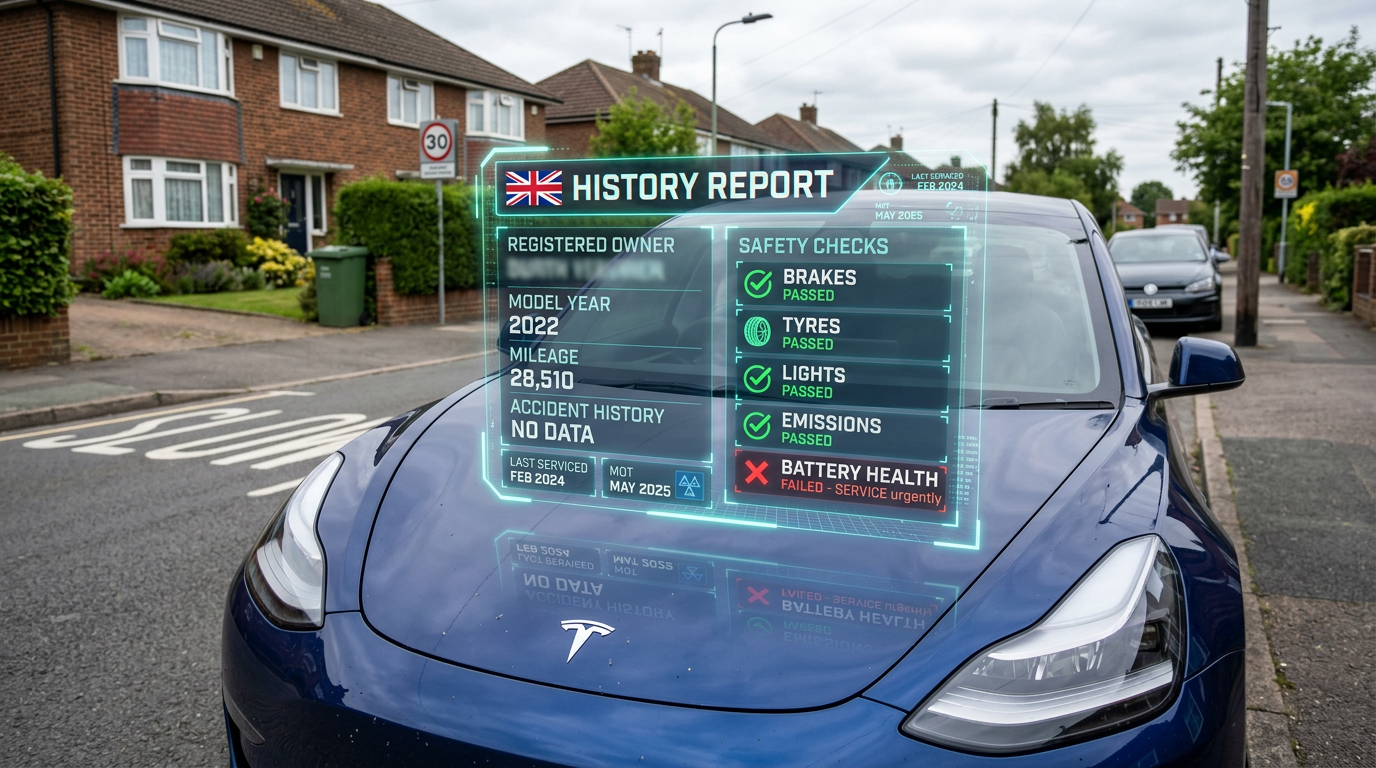
Buying a used car in 2026 is a tech-driven experience, but despite the rise of AI-assisted searching and digital history reports, one shadow still looms over the UK used car market: the insurance write-off. While some damage is glaringly obvious, modern repair techniques can make a structurally compromised vehicle look showroom-fresh to the untrained eye.
This is where the MIAFTR database check becomes an essential weapon in a buyer’s arsenal. Understanding how insurance markers are applied and how the Motor Insurance Anti-Fraud and Theft Register (MIAFTR) operates is the only way to ensure the car you are buying is actually safe for the road.
What is MIAFTR and Why Does it Matter?
Managed by MIB (Motor Insurers' Bureau), MIAFTR is the central UK database where insurers record details of vehicles that have been written off or stolen. If a car is involved in an accident and the cost of repair is deemed uneconomical—or if the vehicle is stolen and not recovered—it is logged here.
In 2026, the data sharing between insurers, the DVLA, and third-party check providers is faster than ever. When you use CarsLink.ai to browse listings, the AI-driven filters often cross-reference data points, but a dedicated HPI total loss check remains the definitive way to see if a car has a hidden history.
The ABI Salvage Code of Practice
The UK insurance industry operates under the ABI Salvage Code of Practice. This code dictates how damaged vehicles are categorised based on the severity of the incident. Understanding these labels is the difference between a bargain and a death trap.
| Category | Definition | Can it return to the road? |
|---|---|---|
| Category A | Scrap only. Total destruction. | No |
| Category B | Break for parts. Shell must be crushed. | No |
| Category S | Structural damage. | Yes, if professionally repaired |
| Category N | Non-structural damage. | Yes |
Category S vs Category N: Spotting the Difference
For most buyers in the UK market, the confusion lies in the distinction between Category S and Category N.
Category S (Structural)
A Category S vehicle has sustained damage to its structural integrity—think crumpled crumple zones, a bent chassis, or a twisted A-pillar. While these cars can be legally repaired and returned to the road, they will always carry the "Cat S" marker on their V5C logbook.
In 2026, with the prevalence of advanced driver assistance systems (ADAS) and high-strength steels in modern EVs and hybrids, repairing structural damage is more complex than it was a decade ago. A car might look perfect, but if the sensors or structural welds aren't calibrated to factory standards, it won't protect you in a second collision.
Category N (Non-Structural)
Category N vehicles have suffered damage that doesn't affect the structural frame. This could be anything from a dented door or a minor fire to a complex electrical fault or a flooded interior. Because the "bones" of the car are intact, Category N cars are often seen as great value for money—provided you can verify the quality of the repair.
The Danger of "Unrecorded" Write-Offs
One of the biggest risks for UK buyers and dealers in 2026 is the "unrecorded" write-off. This happens when a car is damaged but the owner (or a third party) chooses to repair it privately without involving an insurance company.
Because no claim is filed, no marker is placed on the MIAFTR database. This is why a physical inspection or a professional pre-purchase inspection is still vital. However, a comprehensive HPI total loss check will often flag if a car has been through a salvage auction, even if the insurance marker hasn't officially updated yet.
Economic Impact: Resale Value and Insurance
If you choose to buy a car with a MIAFTR marker, you must be aware of the long-term financial implications:
- Lower Resale Value: A Cat S or N car is typically worth 20-40% less than an "unmarked" equivalent.
- Higher Insurance Premiums: Some UK insurers refuse to cover Category S vehicles, while others charge significantly higher premiums.
- Finance Hurdles: If you are looking at PCP or HP finance, many lenders will not provide funds for a vehicle with an insurance write-off marker.
- V5C Tracking: The DVLA now makes it very clear on the V5C certificate if a vehicle has been "salvaged," but older logbooks might still be in circulation—always check the issuance date.
Advice for Dealers and Traders
For traders, transparency is the best policy. With the UK's Consumer Rights Act 2015 still the gold standard for buyer protection, failing to disclose a MIAFTR marker can lead to "deceptive practice" claims and a forced refund.
Using AI tools like CarsLink.ai allows dealers to vet their stock efficiently. Before taking a part-exchange, always run a full background check. Even a "Category N" car can be a liability if the repair wasn't documented with a garage receipt or an engineer's report.
How to Check a Car’s History
If you’ve found the "perfect" used Audi A3 or Ford Mustang Mach-E on a local forecourt, follow these steps before handing over a deposit:
- Ask to see the V5C: Check for the "S" or "N" marker in the notes section.
- Run a MIAFTR-linked check: Use a service that specifically queries the Motor Insurance Anti-Fraud and Theft Register.
- Check the MOT history: Significant gaps in MOT history or a sudden jump from a "Fail" for structural issues to a "Pass" can indicate a quick-and-dirty repair.
- Inspect the 'Shut Lines': Look at the gaps between body panels. If they are uneven, the car may have been in a collision that wasn't recorded.
Summary: Knowledge is Power
In the fast-moving 2026 car market, don't let a "great deal" blind you to potential safety risks. The MIAFTR database check is the most reliable way to peel back the layers of a car's history. Whether you are a first-time buyer or an experienced trader, understanding the ABI Salvage Code of Practice and the nuances of Category S vs Category N will protect your wallet and your safety.
Searching for a transparent deal? Use CarsLink.ai to browse thousands of verified UK listings. Our platform helps you filter through the noise to find high-quality used cars with clear histories, ensuring your next purchase is one you can trust.
[Search for your next car on CarsLink.ai today]