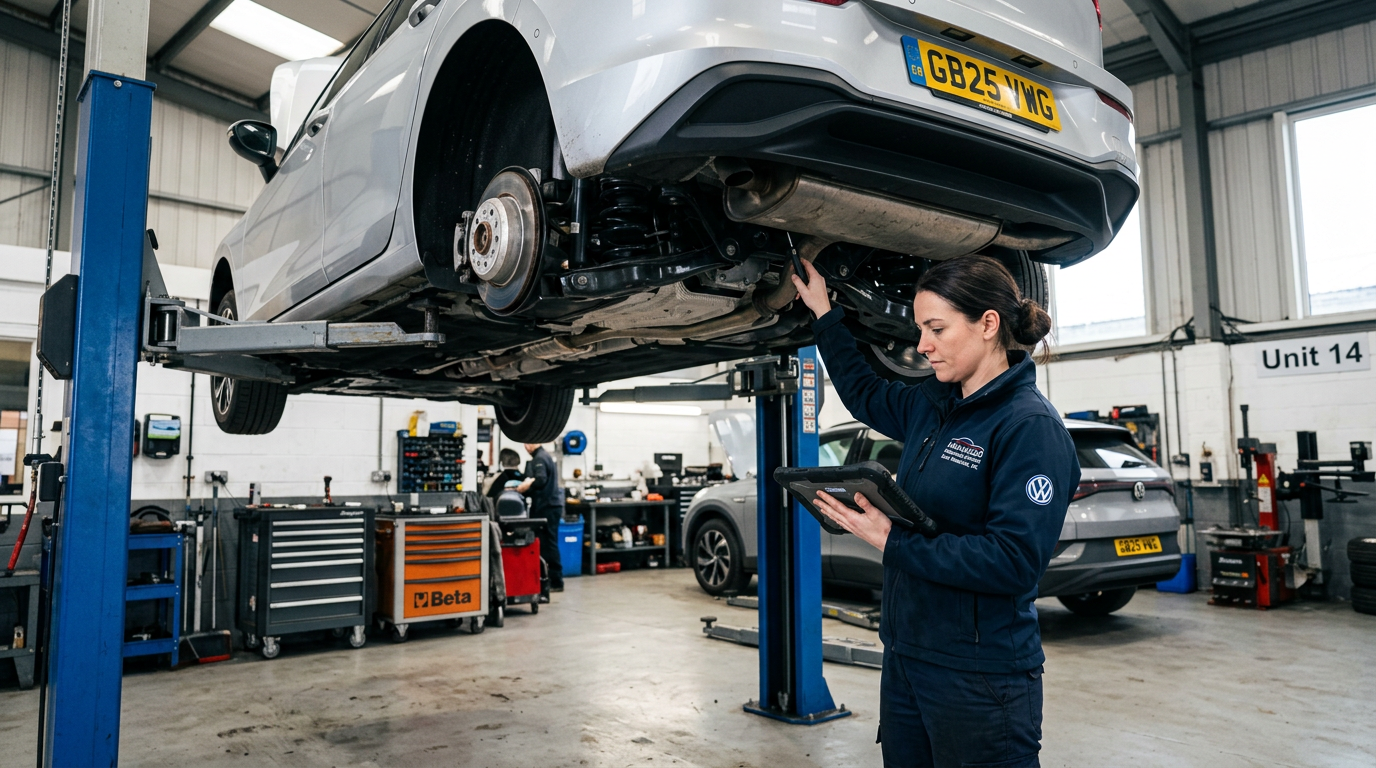
In the fast-moving 2026 UK used car market, transparency is the ultimate currency. With the average price of a pre-owned vehicle reaching record highs, buyers and traders alike are more diligent than ever. However, if you are only relying on a basic "Category" check, you might be missing half the story. While modern digitised logbooks and V5C tracking have improved, there remains a critical layer of protection often overlooked by the casual buyer: the MIAFTR database.
MIAFTR (Motor Insurance Anti-Fraud and Theft Register) is the central nervous system for the UK insurance industry. Managed by the Motor Insurers’ Bureau (MIB), it contains records of vehicles that have been declared total losses (write-offs) or reported stolen. As we navigate the complex landscape of 2026 vehicle sales, understanding how to use this tool beyond just identifying a 'Cat S' or 'Cat N' marker is essential for avoiding costly mistakes.
What is the MIAFTR Database?
The MIAFTR database was established to prevent insurance fraud and help identify vehicles that have been written off or stolen. In 2026, the database is more integrated than ever, with real-time updates from over 98% of the UK’s motor insurers.
When you perform a professional vehicle history check—whether as a private buyer or a trader sourcing stock—the data typically flows from MIAFTR. It tracks the "Condition Alert" status of a vehicle. If an insurer settles a total loss claim, the vehicle is added to MIAFTR. This is crucial because there can often be a lag between an insurance settlement and the DVLA record being updated with a permanent CAT marker.
The 2026 ABI Write-off Categories Explained
To use MIAFTR effectively, you must understand the current Association of British Insurers (ABI) categories. Despite some industry calls for change, the 2026 standards remain focused on whether a car is structurally safe to return to the road.
| Category | Definition | Can it be legally resold/driven? |
|---|---|---|
| Category A (Scrap) | Serious damage, no salvageable parts. | No. Must be crushed. |
| Category B (Break) | Severe structural damage. Only parts can be salvaged. | No. The shell must be destroyed. |
| Category S (Structural) | Structural damage (e.g., chassis or suspension) that is repairable. | Yes, if professionally repaired and re-registered. |
| Category N (Non-Structural) | Non-structural damage (cosmetic, electrical, or minor mechanical). | Yes. Often safe, but may have hidden tech issues. |
While these categories are standard, the MIAFTR database check 2026 UK often reveals "unrecorded" or "pending" total losses that haven't hit the V5C yet. This is where many buyers get caught out—purchasing a car that appears "Clean" today but becomes a "Cat S" the moment the paperwork catches up.
The Danger of Stolen Recovered Vehicle Markers
One of the most complex areas of the 2026 used market involves stolen recovered vehicle markers. With keyless entry systems and advanced relay theft reaching new levels of sophistication, many high-end vehicles from brands like Land Rover, BMW, and Audi are stolen, recovered, and then resold.
If an insurer pays out for a stolen vehicle and it is later recovered, that vehicle belongs to the insurance company. It is added to MIAFTR. If the vehicle is undamaged, it might not receive a Cat S or Cat N marker, but it will still carry a MIAFTR record as "stolen recovered."
For a buyer, this "hidden" history can drastically reduce the car's resale value and make it significantly harder (and more expensive) to insure in cities like London, Manchester, or Birmingham where ULEZ and high crime rates already impact premiums.
HPI Condition Alert Meaning in 2026
When you run a premium history check, you may see a "Condition Alert." This is a direct flag from the MIAFTR database.
What does a Condition Alert mean?
- The vehicle is a total loss: It has been written off by an insurer.
- The data is fresh: The alert often appears before the DVLA has formally amended the logbook.
- Finance implications: Most PCP and HP lenders will not allow their finance to be secured against a vehicle with an active Condition Alert.
For traders, ignoring a Condition Alert is a breach of the Consumer Protection from Unfair Trading Regulations (2008). In 2026, the penalties for mis-selling "unmaskable" write-offs are severe, involving heavy fines and potential loss of dealer licenses.
Why "Clean" Cars Sometimes Aren't
Using AI-driven platforms like CarsLink.ai allows buyers to cross-reference multiple data points instantly. However, even the best systems rely on the quality of the underlying data. A vehicle might have a "clean" HPI or Experian check for several reasons:
- Self-Funded Repairs: If a previous owner crashed the car but chose to pay for repairs out of pocket rather than claiming on insurance, no record will exist on MIAFTR.
- Third-Party Claims: If a car was hit but the claim is still being disputed between two insurance companies, there may be a delay in the database update.
- Fleet Vehicles: Some large corporate fleets are "self-insured." They may dispose of damaged assets through salvage auctions without ever reporting them to the MIAFTR system.
How to Check a Vehicle Properly
To ensure you aren't buying a hidden write-off in 2026, follow this checklist:
- Request the V5C Reference Number: Check the 11-digit number against the DVLA's online database to ensure the logbook is the most recent version.
- Run a MIAFTR-linked History Check: Do not settle for "free" checks. Use a service that specifically queries the MIB's Motor Insurance Anti-Fraud and Theft Register.
- Inspect for "The Ghost of the Marker": Look for mismatched paint, non-standard panel gaps, or overspray on rubber seals—signs of a repair that might have bypassed the official categories.
- Ask for Proof of Service and Repair: If a car has had major repairs, ask for the invoices. A reputable seller will have no issue showing who performed the work.
The Impact on Values and Finance
Buying a Cat S or Cat N car isn't always a bad idea, provided the price reflects the status. Typically, a Cat N car should be 20-30% cheaper than its market equivalent, while a Cat S car should be 40-50% cheaper.
The problem arises when a vehicle is sold at full market value because its MIAFTR status is hidden. When you eventually come to trade that car in, or if you are involved in an accident, your own insurer will check MIAFTR. If they find an undisclosed prior total loss, they may void your policy or pay out substantially less than you expect.
Transparency in the Digital Age
As we move further into 2026, the integration of AI in car buying is making it harder for "clockers" and "write-off hiders" to operate. Tools like CarsLink.ai are designed to help you sift through the noise, providing a streamlined way to find vehicles that meet high standards of transparency.
By understanding the difference between a simple "Cat check" and a deep-dive MIAFTR investigation, you protect your investment and ensure your safety on the road. Don't take the seller's word for it; the data is there—you just need to know where to look.
Ready to find your next car without the hidden drama? Head over to CarsLink.ai to browse verified listings and use our advanced search filters to find the perfect, transparent deal today.