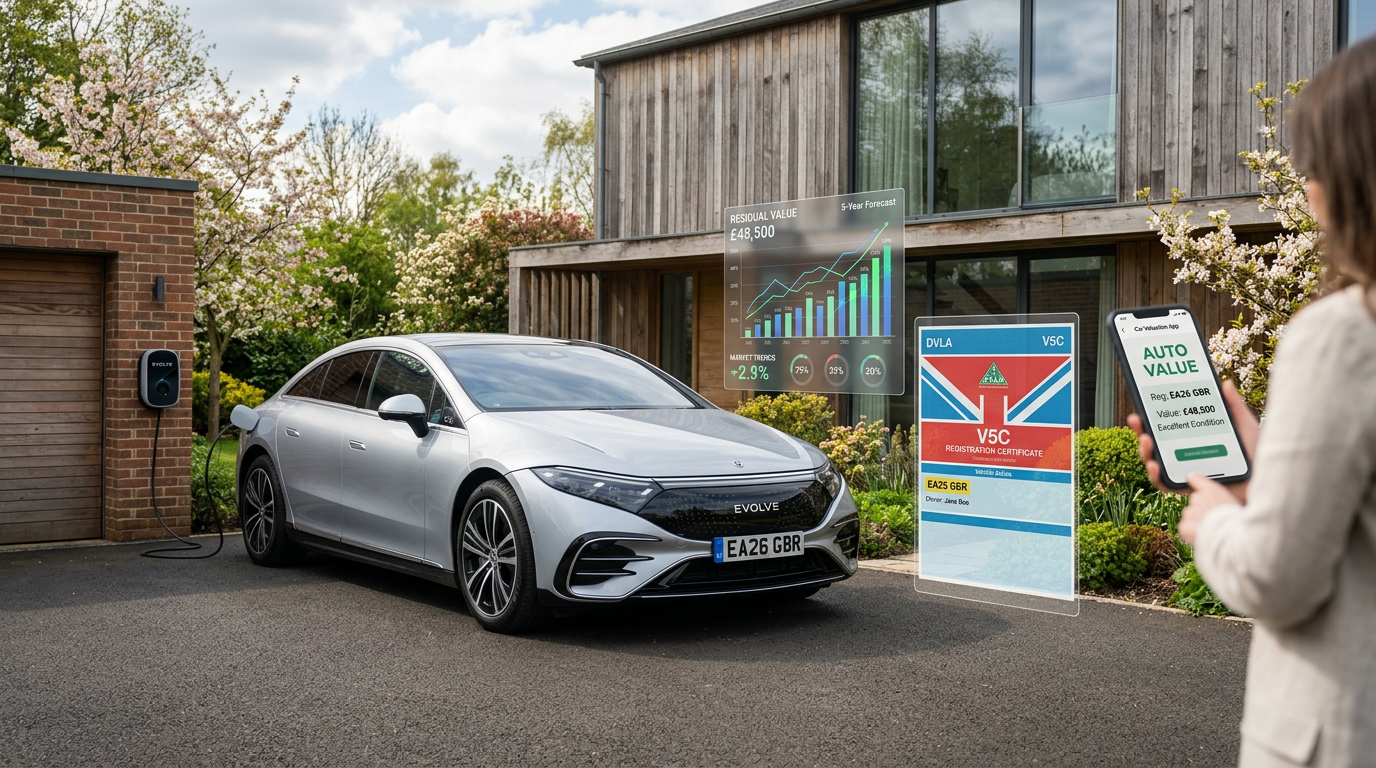
As we reach the midpoint of 2026, the UK automotive finance landscape looks markedly different from the post-pandemic volatility of a few years ago. If you took out a Personal Contract Purchase (PCP) agreement in late 2022 or 2023, you are likely approaching your contract’s end.
The industry term is the 'MGFV' (Minimum Guaranteed Future Value), but most of us know it as the balloon payment. In May 2026, many UK drivers are finding themselves at a crossroads: used car prices have stabilised, but interest rates and the rapid shift towards Electric Vehicles (EVs) have changed the math on whether you should hand the keys back, refinance, or trade-in.
The 2026 Landscape: What is Your Car Really Worth?
In May 2026, the UK used car market is seeing a fascinating split. ICE (Internal Combustion Engine) vehicles, particularly ULEZ-compliant Euro 6 diesels and petrol hybrids, have held their value surprisingly well as the 2030 (now 2035 transition) targets loom. Conversely, early-generation EVs are seeing more predictable, albeit steeper, depreciation curves.
Before making a move, you must determine if you have car finance equity. This occurs when your car’s current market value is higher than the balloon payment agreed upon three or four years ago.
Current Market Trends (May 2026)
| Vehicle Type | Estimated Equity Outlook | Market Demand |
|---|---|---|
| Family SUVs (Hybrid) | Strong (Positive Equity) | High - Preferred for long-range reliability |
| Premium EVs | Neutral/Negative | Moderate - Affected by newer battery tech |
| Small Petrol Hatchbacks | Strong (Positive Equity) | High - Urban demand remains peaked |
| Luxury Diesel | Variable | Regional - High in rural UK, lower in London/Birmingham |
Strategy 1: Refinancing Your Balloon Payment
If you love your car and don't want the hassle of the current new car lead times, refinancing your car loan is a popular 2026 exit strategy. However, the lending criteria from the FCA (Financial Conduct Authority) have tightened this year to ensure affordability.
Why Refinance in 2026?
- Avoid a New 2026 Plateau: New car prices have risen significantly. Keeping your current vehicle with a known service history is often the most fiscal choice.
- Spreading the Cost: Instead of finding £12,000 to £20,000 for a lump sum, you can spread the balloon payment over a further 24–48 months via a Hire Purchase (HP) agreement.
CarsLink.ai tip: When refinancing, always check your V5C logbook is up to date and your MOT has at least six months remaining, as some lenders require this for secondary finance approval.
Strategy 2: The 'Trade-In and Roll-Over'
If your vehicle has positive equity (e.g., your balloon is £10,000 but the car is worth £12,500), that £2,500 is yours. You can use this as a deposit for your next PCP or PCH (Personal Contract Hire) agreement.
In the current May 2026 market, dealers are hungry for "clean" used stock with full service histories. You are in a strong position to negotiate. However, be mindful of the Road Tax (VED) changes that hit in 2025; many EVs now carry a yearly tax burden which might affect your monthly budget on a new deal.
Strategy 3: The "Return and Walk Away"
If your car is worth less than the balloon payment (negative equity), this is where the "Guaranteed" part of MGFV saves you. You can simply hand the keys back to the finance house.
The 2026 Checklist for Returning a Car:
- The 'Fair Wear and Tear' Standard: Ensure your car meets the BVRLA standards. In 2026, inspectors are particularly strict on alloy wheel scuffs and infotainment screen scratches.
- Mileage Overages: With the rise of hybrid working, many found they drove less, but if you’ve exceeded your cap, those pence-per-mile charges can add up to thousands.
- Service History: Ensure the digital service record is complete. Missing a 2024 or 2025 service can lead to a significant "devaluation penalty" from the finance provider.
Managing the Shift to Electric
If you are exiting a petrol PCP in May 2026, the pressure to move to electric is higher than ever. With more public charging infrastructure now active across the UK, the "range anxiety" of 2022 is fading. However, do not feel pressured into an EV if your home charging setup isn't ready.
Many drivers are using CarsLink.ai to compare the total cost of ownership between keeping their current petrol car via refinancing versus jumping into a new EV lease. Often, the "cheapest" car is the one already sitting on your driveway.
Crucial Steps to Take This Month
If your PCP ends between May and August 2026, follow this timeline:
- Step 1: Get a Real-World Valuation. Don't rely on the dealer's first offer. Use independent valuation tools to see what your car is actually fetching at Silverstone or British Car Auctions (BCA).
- Step 2: Contact Your Lender. Ask for your "Settlement Figure." This is the balloon payment plus any remaining monthly instalments and option-to-purchase fees.
- Step 3: Check Your Credit Score. If you plan on refinancing your car loan, ensuring your score is healthy will secure a rate closer to 6-8% rather than the sub-prime 12-15% rates.
- Step 4: The MOT and Service Audit. Ensure your car has been maintained according to the manufacturer’s schedule. UK law in 2026 remains strict on emissions; a failing DPF (Diesel Particulate Filter) or faulty battery cell could void your "Guaranteed" value.
Conclusion
The "Balloon Payment High" of 2026 doesn't have to be a financial headache. Whether you choose to refinance, trade-in, or walk away, the key is acting at least 90 days before your contract expires. By leveraging your car’s equity and understanding the 2026 used market trends, you can transition into your next vehicle—or secure your current one—on your own terms.
Looking for the best way to navigate your finance transition? CarsLink.ai provides the latest insights and tools to help UK drivers make informed decisions on their next automotive move. Always remember to check your contract's fine print and consult with a financial advisor if you are unsure about debt restructuring. Managers of your PCP exit are the masters of their motoring future.