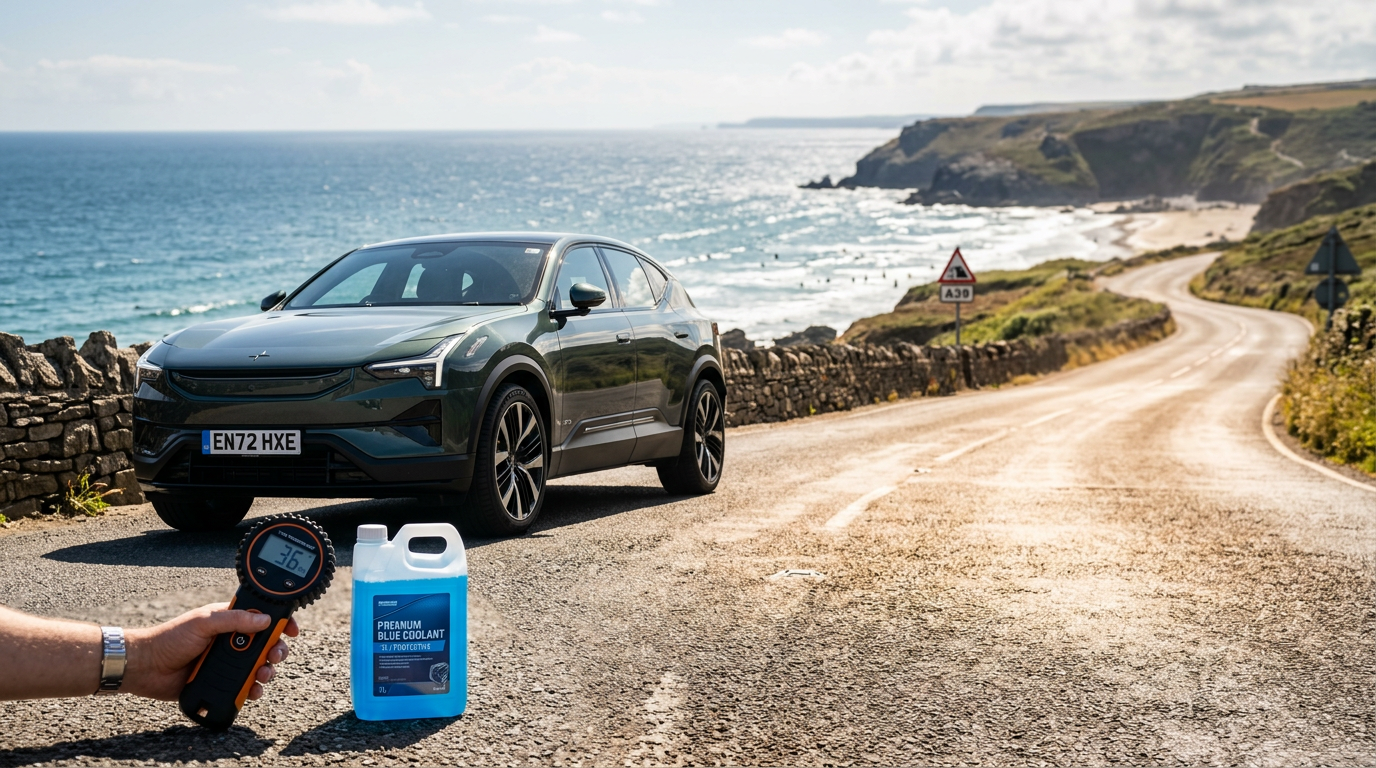
As we enter June 2026, the Met Office has already issued the season's first high-temperature warnings. While we Britons usually welcome a bit of sunshine, for our vehicles, the heat poses significant mechanical risks. With the UK vehicle park now a diverse mix of older internal combustion engines (ICE), hybrids, and a massive surge in Battery Electric Vehicles (BEVs), your summer maintenance checklist needs an update for the modern era.
Gone are the days when 'checking the car' meant just peering at the oil dipstick. In 2026, thermal management is the name of the game. Whether you’re planning a trip to the Cornish coast or navigating the daily commute in a ULEZ-compliant city centre, here are the five essential checks to ensure your car doesn't succumb to the June heatwave.
1. The Cooling System: ICE vs. EV
The most critical check during a heatwave is your cooling system. However, the nature of this check depends entirely on what’s under your bonnet.
For Petrol and Diesel Cars
Traditional engines work harder in summer. Check your expansion tank to ensure the coolant level is between the 'min' and 'max' marks. Never open the cap while the engine is hot. If you notice your temperature gauge creeping up in traffic, it could indicate a failing thermostat or a leak in the radiator.
For Electric Vehicles (EVs)
A common myth in 2026 is that EVs don't need "coolant." They absolutely do. Modern BEVs use sophisticated liquid cooling loops to keep the battery cells within an optimal temperature range (usually 15°C to 35°C).
EV coolant levels are vital; if the battery overheats, the car will throttle performance (often called 'turtle mode') or, in extreme cases, refuse to rapid charge to protect the cells. Most EVs require a specific low-conductivity coolant—check your manual or visit a certified technician to ensure your thermal management system is topped up and leak-free.
2. Air Conditioning Health and Regas Costs
In 2026, air conditioning isn't just a luxury—it’s a safety feature. Driving in a cabin that exceeds 30°C can significantly slow your reaction times, similar to being over the drink-drive limit.
If your vents are blowing lukewarm air, you likely need an air con regas.
- Older cars (pre-2017): Generally use R134a refrigerant. A regas typically costs between £50 and £80.
- Modern cars (post-2017): Use the more environmentally friendly R1234yf gas. Due to the cost of the gas itself, expect to pay between £120 and180.
At CarsLink.ai, we recommend checking your cabin filter (pollen filter) at the same time. A clogged filter makes the system work harder, increasing fuel or energy consumption.
3. Battery Health: The Silent Summer Killer
Most UK drivers associate battery failure with winter, but heat is actually more damaging to lead-acid batteries (found in ICE cars) and 12V auxiliary batteries in EVs. High temperatures accelerate internal corrosion and cause the electrolyte to evaporate.
If your car struggles to start on a hot afternoon, your 12V battery is likely on its last legs. Given that a 12V failure is the leading cause of EV breakdowns in 2026, ensure yours is tested during its annual service.
4. Tyres: Pressure and Tread
Heat causes the air inside your tyres to expand. If you set your pressures on a cool morning, they could be significantly over-inflated by mid-afternoon in a heatwave.
- Pressure: Check your pressures when the tyres are "cold" (driven less than 2 miles). Stick to the manufacturer's PSI settings found on the driver’s door pillar or inside the fuel flap.
- Condition: High road surface temperatures make rubber softer and more prone to wear. Ensure you have at least 3mm of tread (the legal minimum is 1.6mm) to handle the inevitable summer thunderstorms that often follow a UK heatwave.
| Check Component | Why it matters in 2026 | Frequency |
|---|---|---|
| Tyre Pressure | Expansion in heat leads to blowouts | Bi-weekly |
| Coolant Level | Critical for EV battery longevity | Monthly |
| Wiper Blades | UV rays perish the rubber | Every 6 months |
| Brake Fluid | High temps can lead to "brake fade" | Every 2 years |
5. Fluids and Visibility
The June heatwave brings two visibility enemies: "summer ice" and glare. Summer ice occurs when a sudden downpour hits hot, greasy roads, creating a lethal film. Glare is exacerbated by a dirty windscreen.
- Screen Wash: Use a high-quality summer screen wash designed to shift "bug splatter." Plain water won't cut through the greasy residue left by modern traffic.
- Wipers: If your wipers "chatter" or leave streaks, the heat has likely warped the rubber. Replace them immediately to ensure you can see during a summer downpour.
- Engine Oil: For ICE and Hybrid drivers, ensure your oil is at the correct level. Thinner oil in high heat provides less protection to moving parts.
Summary: Stay Legal and Safe
Before heading out, ensure your MOT is valid and your Road Tax is up to date (which you can check instantly via the DVLA portal). If you are looking to upgrade to a more modern, heat-resilient vehicle this summer, CarsLink.ai is your premier destination for finding the best deals on high-spec EVs and fuel-efficient hybrids.
Don't wait for the dashboard warning light to appear. A 10-minute check today could save you a four-hour wait for a recovery truck on the hard shoulder of the M5.
Planning a summer car change? Let CarsLink.ai help you find a vehicle with the latest thermal management technology to keep you cool all year round.