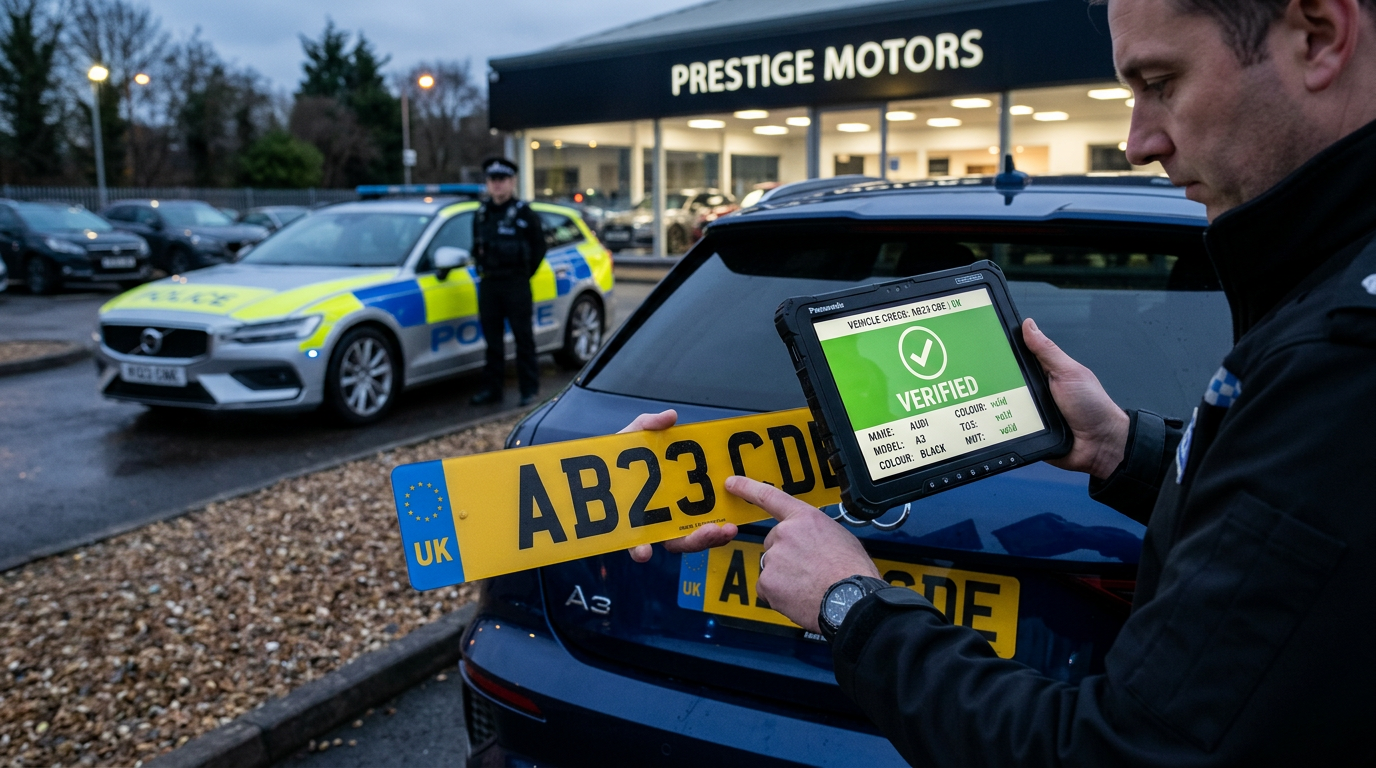
As we move through 2026, the UK automotive market is more digital than ever, yet vehicle cloning—the practice of identity theft for cars—remains a persistent threat. With the rise of contactless entry systems and increasingly sophisticated plate-making tech, physical security is only half the battle. For buyers and traders alike, verifying a vehicle’s history against the Police National Computer (PNC) and Hire Purchase Investigation (HPI) records is no longer optional; it is a critical safety net.
Vehicle cloning involves criminals stealing the identity of a legal, "clean" car and applying it to a stolen or salvaged vehicle of the same make, model, and colour. In 2026, this technology has become more refined, making it harder for the naked eye to spot a fake. If you unknowingly purchase a cloned vehicle, you risk losing both the car and your money when the police eventually seize it.
The Dual Defense: Understanding the PNC and HPI
To protect yourself in the current market, you must understand the distinction between official police records and private history databases.
1. The Police National Computer (PNC)
The PNC is the definitive database managed by the Home Office. It contains real-time information on vehicles reported stolen, those involved in crimes, or those with active legal markers. While the public cannot access the PNC directly for privacy reasons, reputable vehicle history providers feed from this data. Any "Stolen" marker on a check originates from the PNC.
2. HPI and Comprehensive History Checks
HPI (now part of Solera) and its competitors remain the gold standard for private checks. In 2026, a comprehensive check goes beyond just the theft status. It cross-references insurance write-off categories (S, N, or the older C and D), outstanding finance (PCP or HP), and mileage discrepancies stored in the National Mileage Register.
Spotting a Cloned Vehicle in 2026: A Checklist
Digital records are vital, but physical verification remains your first line of defence. When viewing a car, use the following 2026-standard checklist:
The V5C Logbook: Check the 2026 Watermarks
The DVLA updated the V5C logbook design recently to include enhanced anti-forgery features.
- Watermark: Hold the document to the light. You should see a distinct "DVLA" watermark throughout the paper.
- Issue Date Check: Ensure the "Document Reference Number" and the issue date on the V5C match the records on the DVLA’s online vehicle enquiry service.
- The 'DCN' Logic: Check for consistent fonts and the absence of any "scraped" or altered text in the VIN (Vehicle Identification Number) section.
VIN Consistency
A cloned car will often have a VIN that belongs to a legitimate vehicle. However, criminals often miss one of the hidden locations. Check the VIN in at least three places:
- The bottom of the windscreen (the "visible VIN").
- The "B-pillar" inside the driver’s door frame.
- Stamped onto the chassis (usually under the bonnet or under the carpet in the footwell).
- New for 2026: Digital VINs accessible through the car’s infotainment system "Information" menu (standard on most EVs and premium ICE vehicles since 2023).
Data Comparison: What a Check Reveals vs. The Physical Car
| Feature | What the HPI/PNC Check Says | What to Look for on the Car |
|---|---|---|
| Number Plate | Registered to a Silver BMW 3 Series | Ensure plates reflect current UK 2026 standards (BS AU 145e) |
| VIN Status | Not flagged as stolen or scrapped | Matches the physical stamps and digital menus |
| Mileage | 24,000 miles (as of last MOT) | Look for wear on pedals/steering wheel inconsistent with low miles |
| Finance | No outstanding HP or PCP | Seller should provide a 'cleared' letter if recently paid off |
| Recorded SORN | Vehicle currently taxed and insured | Ask why it was SORNed if the history shows it was in use |
The Impact of London’s Expanded ULEZ and Clean Air Zones
In 2026, with almost every major UK city—from Birmingham to Glasgow—operating strict Clean Air Zones, plate cloning has seen a "revenue-driven" spike. Criminals often clone a compliant (Euro 6 or EV) car to avoid daily charges in a non-compliant vehicle.
For traders, this means "Ghost Plates" are a major liability. If a customer buys a car from you that turns out to be cloned, the legal repercussions regarding the "Sale of Goods Act" and "Consumer Rights Act 2015" are severe. Dealers should run a fresh PNC-linked check no more than 24 hours before a handover.
Steps if You Suspect a Vehicle is Cloned
If you are viewing a car and something feels off—perhaps the price is 20% below market value or the seller insists on meeting in a public car park rather than their home/business address—take these steps:
- Do Not Buy: It sounds obvious, but the pressure of a "good deal" often blinds buyers.
- Verify the Seller: Ask to see a photo ID that matches the name on the V5C.
- Run a Multi-Source Check: Use a platform like CarsLink.ai to compare market prices and then run a full history check. If the data shows the car should be at the other end of the country, it is likely a clone.
- Report to Action Fraud: If you've encountered a cloned vehicle, report it to the police via Action Fraud to prevent others from falling victim.
The Role of AI in Detecting Fraud
By 2026, AI-integrated platforms have become the ultimate tool for both buyers and dealers. CarsLink.ai leverages advanced algorithms to flag "outlier" listings. For example, if a car is advertised in Manchester but its last five MOTs were in Bournemouth and it was seen on an ANPR camera in London yesterday, the system can flag a "High Risk" warning to potential buyers.
Summary: Protecting Your Investment
Buying a car is the second-largest purchase most Brits make. In the current climate of 2026, the threat of car plate cloning UK 2026 is real, but avoidable. By combining physical inspections of the DVLA V5C watermark 2026 check with rigorous Police National Computer car theft checks, you significantly reduce your risk profile.
Before you commit your hard-earned money or sign a PCP agreement, ensure the vehicle's identity is as authentic as the seller claims.
Searching for your next car with peace of mind? Use CarsLink.ai to browse verified listings from reputable UK dealers and use our integrated tools to ensure your next vehicle is the real deal. content,excerpt: