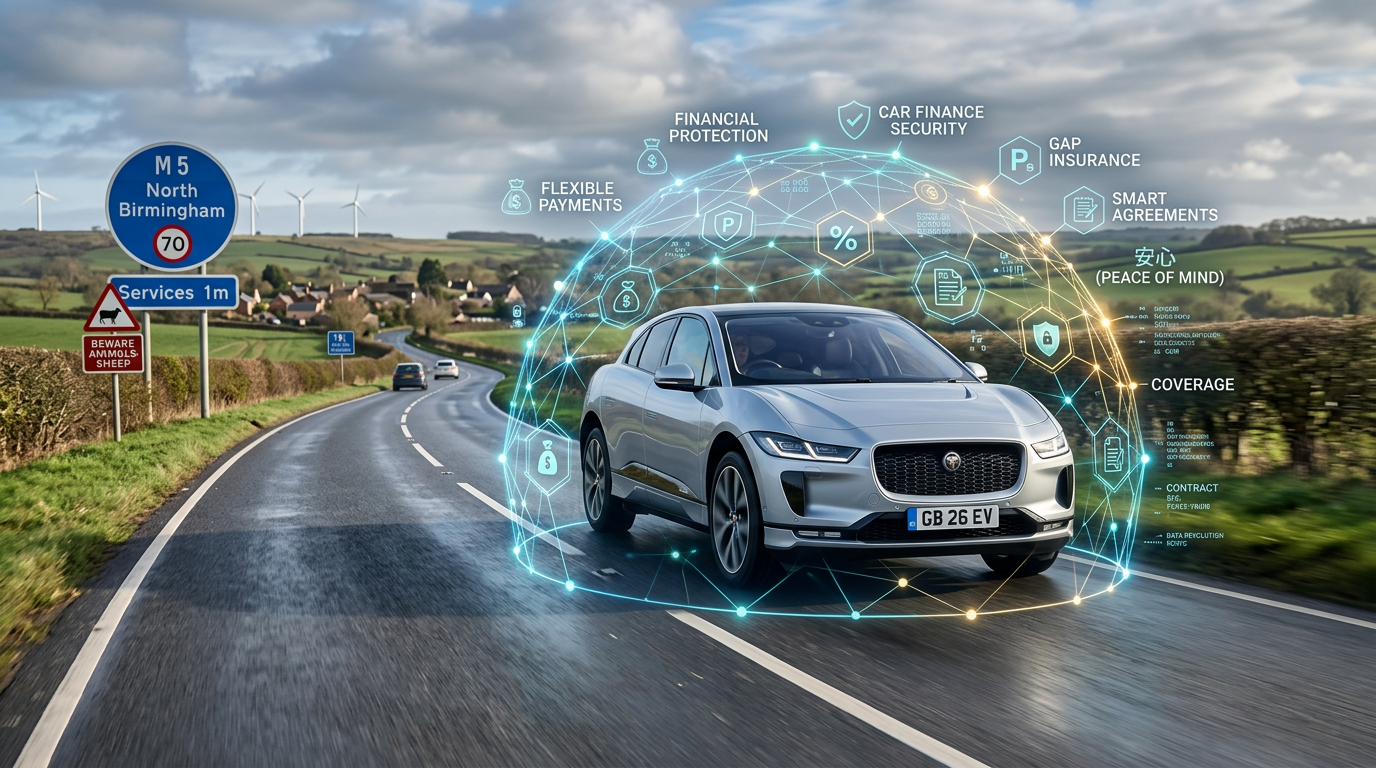
In 2026, the UK automotive landscape has shifted dramatically. With electric vehicles (EVs) now dominating the used car market and the Financial Conduct Authority (FCA) having completed its radical overhaul of how insurance products are sold, many buyers are asking: Is GAP insurance still worth it?
If you are currently looking at a used car finance deal, the stakes have changed. While vehicle prices have stabilised since the volatile post-pandemic years, the complexity of modern vehicle technology and the specific depreciation curves of 2024–2026 models mean your financial exposure might be higher than you think.
What is GAP Insurance in 2026?
Guaranteed Asset Protection (GAP) insurance is designed to cover the 'gap' between what your comprehensive car insurer pays out if your car is written off or stolen, and what you originally paid for it (or what you still owe on finance).
As of 2026, the UK GAP insurance rules have been significantly tightened. Following the FCA's intervention in 2024/2025, dealers can no longer sell high-commission, poor-value products. Today’s GAP policies are more transparent, offer better value for money, and are often sourced from independent specialists rather than directly on the showroom floor.
The Three Main Types of GAP Insurance
- Finance GAP: Covers the difference between the insurance payout and the outstanding balance on your HP or PCP agreement.
- Return to Invoice (RTI): Covers the difference between the insurance payout and the price you originally paid for the vehicle.
- Vehicle Replacement: Covers the cost of a like-for-like brand-new replacement, even if the price of that model has risen.
Why Used Car Depreciation in the UK is Different in 2026
To understand if GAP is worth it, we have to look at used car depreciation in the UK. We are seeing a "two-tier" market:
- Electric Vehicles (EVs): Depreciation has become more predictable than in the early 2020s, but "tech-obsolescence" still drives prices down faster than traditional ICE (Internal Combustion Engine) vehicles. A top-tier EV can still lose 45-55% of its value within three years.
- Petrol/Hybrid Vehicles: With the 2030ish ban approaching, late-model hybrids are holding value exceptionally well, leading to a smaller "gap" for insurance to cover.
Depreciation Comparison (3-Year Forecast)
| Vehicle Type | Average Depreciation (Year 1) | Average Depreciation (Year 3) | Risk Level for Finance |
|---|---|---|---|
| Premium EV | 25% | 52% | High |
| Family Hybrid SUV | 18% | 38% | Medium |
| Budget Petrol Hatch | 15% | 35% | Low |
The Role of Car Finance in 2026
Most used car buyers in 2026 are using PCP (Personal Contract Purchase) or HP (Hire Purchase). When you take out a finance deal with a small deposit (5-10%), you are almost immediately in "negative equity." This means you owe more to the finance company than the car is worth on the open market.
If a thief steals your car or you have an accident on the M25 that results in a total loss, your primary insurer will only pay the current market value. Without GAP insurance, you could be left with a £3,000 to £8,000 bill to settle a finance agreement for a car you no longer own.
At CarsLink.ai, we recommend that buyers check their finance settlement figures against current valuation tools every six months to monitor this exact risk.
New FCA Regulations: A Win for Consumers
The biggest change in 2026 is the Value for Money requirement. The FCA now requires insurers to prove that GAP insurance provides genuine utility to the customer.
- Deferred Sales: Dealers are generally prohibited from selling you GAP insurance on the same day you buy the car. This prevents "pushed" sales and gives you time to shop around.
- Commission Caps: The massive commissions that once made GAP insurance a "dirty word" in the industry have been largely reined in.
- Better Clarity: Policies must now clearly state what is not covered, such as negative equity carried over from a previous car loan.
Is GAP Insurance Still Worth It? The Verdict
It IS Worth It If:
- You paid a low deposit: If your deposit was less than 20%, you are at high risk of negative equity for the first 24–36 months of your loan.
- You are on a long-term PCP: 48-month terms often have a slow principal repayment rate, keeping the "gap" wide for longer.
- You bought an EV: High initial costs and fluctuating used values make the "gap" more unpredictable.
- You do high mileage: High mileage depreciates a car faster than the standard insurance valuation accounts for.
It IS NOT Worth It If:
- You paid cash: While RTI (Return to Invoice) is nice, it isn't a financial necessity if you don't have a debt to clear.
- You paid a large deposit (30%+): You likely already have enough equity in the car to cover the finance balance in the event of a write-off.
- Your insurance offers "New Car Replacement": Many comprehensive policies offer a new car replacement if your vehicle is under 12 months old. In this case, you don't need GAP until Year 2.
How to Find the Best GAP Deal in 2026
- Don't buy from the dealer on day one: Use the mandatory "cooling-off" period to get online quotes.
- Check for "Transferable" Policies: If you sell your car early, can you move the remaining GAP cover to your next vehicle?
- Verify ULEZ and Tech Coverage: Ensure the policy covers the full market value, including any "green" premiums or ADAS (Advanced Driver Assistance Systems) technology that might make the car more expensive to replace.
Summary
In 2026, car finance GAP insurance is no longer the expensive add-on it used to be. Thanks to stricter UK GAP insurance rules, it has evolved into a streamlined, high-value financial safety net. If you are financing a used car with a typical deposit, the peace of mind offered by a modern GAP policy is arguably more essential than ever, given the swift shifts in vehicle technology and used car depreciation in the UK.
Before you sign your next finance agreement, use CarsLink.ai to compare vehicle values and ensure you’re making a data-driven decision. Protecting your investment isn't just about driving safely—it's about covering your back when the unexpected happens.
Looking for your next used car? Browse thousands of verified listings on CarsLink.ai and use our smart valuation tools to see how your chosen model holds its value over time. Regardless of your finance choice, we help you drive smarter.