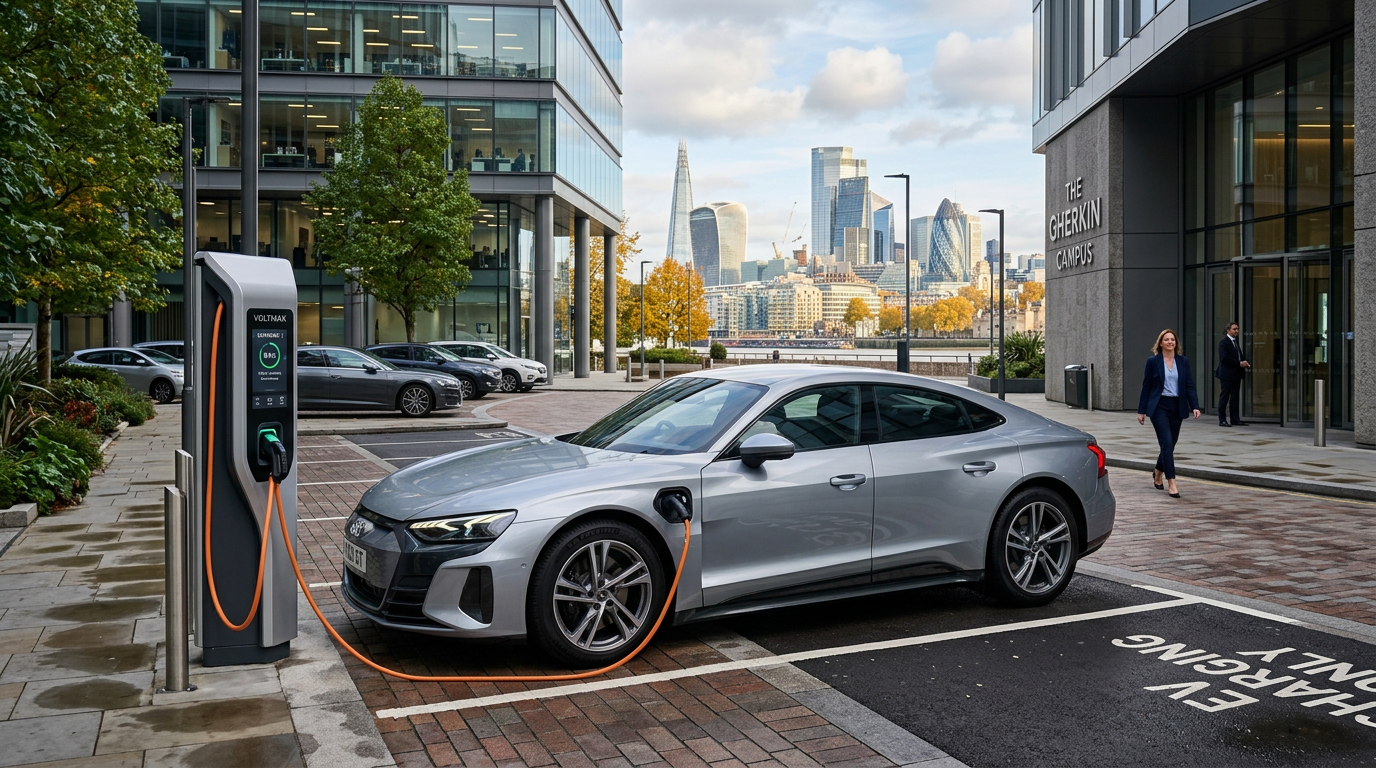
As we move through 2026, the UK automotive landscape looks significantly different from the early 'EV boom' years of the 2020s. With the 2030 deadline for the end of new petrol and diesel car sales approaching, and the recent introduction of Vehicle Excise Duty (VED) for electric vehicles, many UK professionals are asking the same question: Is EV salary sacrifice still worth it?
The short answer is yes—but the maths has changed. In this 2026 guide, we break down the Benefit-in-Kind (BiK) rates, the impact of new road tax rules, and how to determine if a salary sacrifice scheme is your most cost-effective route to a new car.
The Pillars of Salary Sacrifice in 2026
For those new to the concept, salary sacrifice involves giving up a portion of your pre-tax salary in exchange for a non-cash benefit—in this case, a brand-new electric car. Because the deduction happens before Income Tax and National Insurance (NI) are calculated, you effectively pay less tax.
However, the HMRC views this car as a perk, triggering Benefit-in-Kind (BiK) tax. The "sweet spot" for salary sacrifice has always been the gap between the tax you save on your salary and the BiK tax you pay to the government.
2026 BiK Rates: The New Reality
The Treasury previously confirmed a 1% annual increase in BiK rates for zero-emission vehicles until 2028. Here is how the landscape looks for the 2026/27 tax year:
| Tax Year | BiK Rate (Zero Emission EVs) |
|---|---|
| 2023/24 | 2% |
| 2024/25 | 2% |
| 2025/26 | 3% |
| 2026/27 | 4% |
| 2027/28 | 5% |
While 4% is double what it was two years ago, it remains remarkably low compared to petrol or diesel cars, which often attract BiK rates of 30% or higher. Even at 4%, a high-rate taxpayer can still see effective savings of 30-40% compared to a personal lease.
The 2026 Variable: Road Tax (VED) for EVs
April 2025 marked the end of the "free ride" for EV road tax. As of 2026, all electric vehicle owners must pay Vehicle Excise Duty.
- Standard Rate: New EVs are now subject to the standard annual rate (currently unified with petrol/diesel cars).
- Expensive Car Supplement: This is the big one. Most premium EVs have a list price of over £40,000. In 2026, these vehicles are subject to the 'luxury car' supplement for five years.
The Salary Sacrifice Advantage: Most salary sacrifice providers, including those featured on CarsLink.ai, bundle VED, insurance, servicing, and breakdown cover into a single monthly deduction. This "all-inclusive" nature shields drivers from the administrative headache of these new 2026 tax layers.
Is it still "Worth It"? A Comparison
Let’s look at a typical scenario for a 40% taxpayer in 2026 considering a Tesla Model 3 or a Hyundai IONIQ 6 (approx. £45,000 P11D value).
- PCP / Personal Lease: You pay with "post-tax" money. If your lease is £500, you need to earn roughly £833 (before 40% tax) to cover it. You also pay for your own insurance and maintenance.
- Salary Sacrifice: The £500 is taken before tax. Your "take-home" pay only drops by roughly £300. You then pay a small BiK charge (4% of the car's value) via your tax code.
The Verdict: Even with BiK rising to 4%, the National Insurance savings for both the employee and the employer keep salary sacrifice as the most tax-efficient way to drive a 2026 EV.
Key Considerations for 2026
1. The ULEZ and Clean Air Zone Expansion
By 2026, many UK cities have followed London’s lead, implementing or expanding Clean Air Zones. Driving an EV through a salary sacrifice scheme ensures you are permanently exempt from these daily charges, which can save a commuter over £3,000 a year in some jurisdictions.
2. Workplace Charging vs. Home Charging
With energy prices stabilising but remaining higher than 2020 levels, your "fuel" costs are vital. Check if your employer offers free or subsidised workplace charging. If they do, the "effective" cost of your car drops even further.
3. Impact on Pensions and Student Loans
Because salary sacrifice lowers your "official" gross salary:
- Pensions: If your pension stays as a percentage of your salary, your contributions (and employer match) might drop. Always ask for "notional salary" protection.
- Student Loans: Your repayments will decrease because they are calculated on your lower post-sacrifice salary.
Choosing the Right Tax-Efficient EV in 2026
In 2026, the market is flooded with high-efficiency choices. When browsing CarsLink.ai, look for vehicles with high range-per-kWh. As electricity costs remain a factor, a car that does 4.5 miles per kWh (like the latest Renault 5 EV or updated VW ID designs) will be significantly cheaper to run than an older, heavier electric SUV.
What about Plug-in Hybrids (PHEVs)?
In 2026, BiK rates for PHEVs are heavily dependent on their electric-only range. If a PHEV can do more than 130 miles on a charge (rare, but becoming more common), it enjoys lower rates. However, for the majority of users, pure Battery Electric Vehicles (BEVs) remain the runaway winners for tax efficiency.
Summary: The 2026 Outlook
While the "pennies-per-month" BiK era is over, EV salary sacrifice remains the gold standard for UK car procurement. The combination of Income Tax savings and NI reductions far outweighs the 4% BiK rate and the new VED requirements.
For the modern professional, it represents a hedge against inflation and a simplified way to manage motoring costs in an increasingly regulated environment.
Ready to find your next electric vehicle? Browse the latest deals and expert reviews on CarsLink.ai to stay ahead of the curve and maximise your tax savings this year.