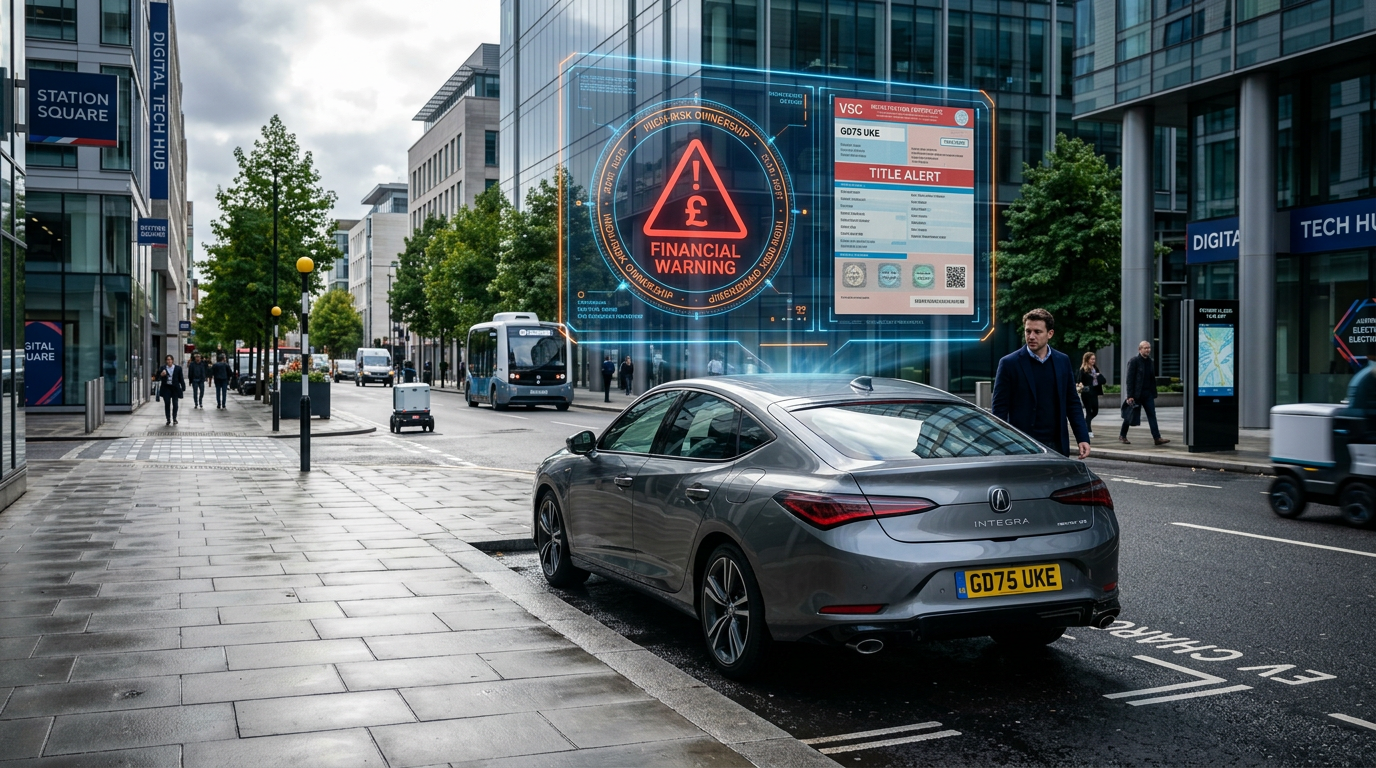
In 2026, the UK used car market is more sophisticated than ever. With the standardisation of digital V5C logbooks and the integration of blockchain-verified service records, you might think the age-old risk of 'hidden debt' has been eradicated. However, a predatory financial relic continues to haunt second-hand buyers: the logbook loan.
Often referred to as an 'invisible lien,' these loans remain one of the most significant risks for private buyers and unwary dealers alike. As we navigate 2026's high-interest environment, more registered keepers are turning to Bill of Sale agreements to unlock equity in their vehicles. If you buy a car with an active logbook loan, you don't actually own it—and the lender can repossess it from your driveway without a court order.
What is a Logbook Loan in 2026?
A logbook loan is a form of subprime lending where the borrower hands over the ownership of their vehicle to a lender as collateral for a high-interest loan. Despite the name, they aren't just about the physical V5C. They rely on an Victorian-era law called the Bills of Sale Act 1878.
While the UK government has digitised many aspects of vehicle ownership, the Bill of Sale remains a legal loophole. When a seller signs a Bill of Sale, they technically transfer legal ownership to the finance company, though they keep the car and remain the 'registered keeper' on DVLA records.
Why 2026 is a High-Risk Year
With the cost of living remaining a primary concern for many UK households, the demand for quick-access liquidity has surged. Traditional PCP and HP finance are tightly regulated, but logbook loans often sit in a grey area. In 2026, we are seeing a rise in 'unrecorded vehicle debt'—liens that don't always appear on basic, cheap data checks.
The Danger of "Good Title"
In a standard Private Contract Purchase (PCP) or Hire Purchase (HP) agreement, the Consumer Credit Act 1974 provides some protection to "innocent purchasers." If you unknowingly buy a car with outstanding PCP finance from a private individual, you might obtain "good title" (legal ownership).
However, this protection does not apply to logbook loans. Because logbook loans are governed by the Bills of Sale Act, the lender remains the legal owner regardless of who holds the keys. If the previous owner stops making payments after selling you the car, the lender can—and will—repossess the vehicle. You are left with no car and a debt to chase from a seller who has likely disappeared.
How to Spot "Invisible Liens" Before You Buy
The primary issue with logbook loans in 2026 is that they are not always registered instantly with the major credit bureaus. Some smaller, fringe lenders may be slow to update records, creating a 'black hole' of data.
1. Conduct a Premium HPI Check (2026 Standard)
A basic £5 data check is no longer sufficient. To protect yourself against unrecorded vehicle debt, you need a comprehensive HPI Check 2026-compliant report. These premium checks cross-reference:
- The National Pawnbrokers Association database.
- Specialist Bill of Sale registers.
- High Court records (where these bills must be registered to be legal).
2. Scrutinise the Digital V5C
While the paper logbook is becoming a rarity, the digital V5C record remains vital. Ensure the seller’s ID matches the registered keeper's details exactly. At CarsLink.ai, we recommend buyers always ask for a live 'DVLA Share Code' to verify the vehicle’s status in real-time.
3. Price "Too Good to be True"
In the 2026 market, used car prices for EVs and hybrids have stabilised. If a 2024 Tesla Model 3 or a BMW 3-Series is being offered at 25% below market value for a 'quick cash sale,' it is a massive red flag for outstanding finance.
Comparing Financial Risks: 2026 Used Car Market
| Risk Type | Legal Basis | Discovery Method | Protection Level |
|---|---|---|---|
| PCP / HP Finance | Consumer Credit Act 1974 | Standard Data Check | Moderate (Good Title possible) |
| Logbook Loan | Bills of Sale Act 1878 | Specialist HPI Check | Zero (Reposession likely) |
| PCH (Leasing) | Contract Law | HPI / Insurance Check | Low (Car must be returned) |
| Tax/Insurance Debt | DVLA/MIB Records | Online Portal | High (Buyer not liable for back-tax) |
Steps to Take if You Buy a Burdened Vehicle
If you have already purchased a vehicle and a bailiff arrives claiming a logbook loan exists, you must act fast:
- Demand Proof of the Bill of Sale: For the loan to be enforceable, the Bill of Sale must have been registered with the High Court within seven days of its creation.
- Contact Citizens Advice: They have specific 2026 guidelines on dealing with predatory lenders.
- Report to Action Fraud: If the seller claimed the car was "HPI Clear" in a written advert, they have committed fraud.
Protecting Your Dealership or Private Purchase
For dealers, the risk is even higher. Selling a car with an invisible lien can destroy your reputation and lead to costly legal battles. Utilizing advanced AI-driven valuation and history tools, like those integrated into CarsLink.ai, ensures that every layer of a vehicle's history is peeled back—from its first MOT to its most recent financial encumbrance.
In 2026, the "all clear" on a dashboard isn't enough. You need to be certain that no Victorian-era debt is hiding in the digital shadows.
Conclusion: Don't Skip the Due Diligence
The convenience of 2026’s digital car buying experience should not lead to complacency. Logbook loans are a legal trap designed to catch the unwary. By insisting on a premium HPI check and using trusted platforms like CarsLink.ai to source and verify your next vehicle, you can ensure that the only thing you're buying is the car—not someone else's debt.
Ready to buy with confidence? Check our latest verified listings and expert buying guides at CarsLink.ai. 🚗