Insuring Your Two-Wheeled Dream: A UK Buyer's Guide to Used Motorcycle Insurance
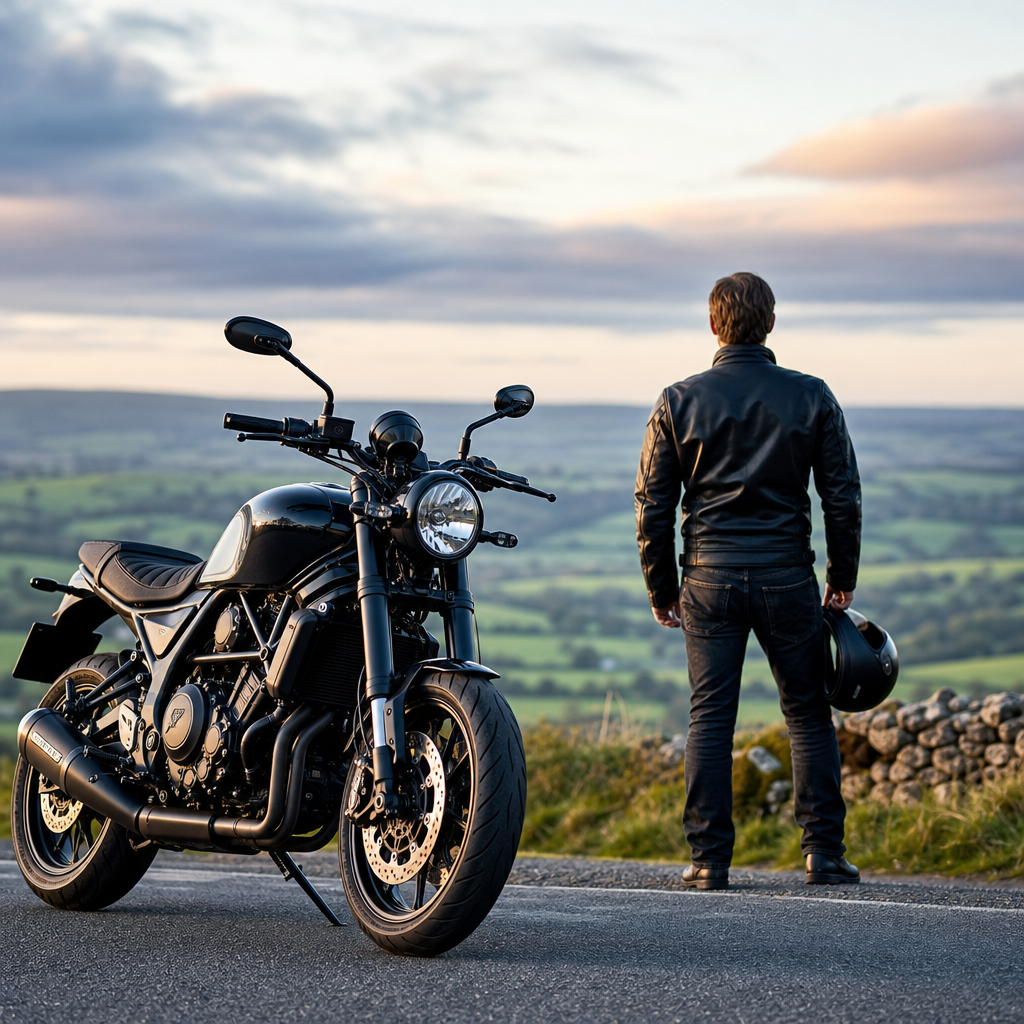
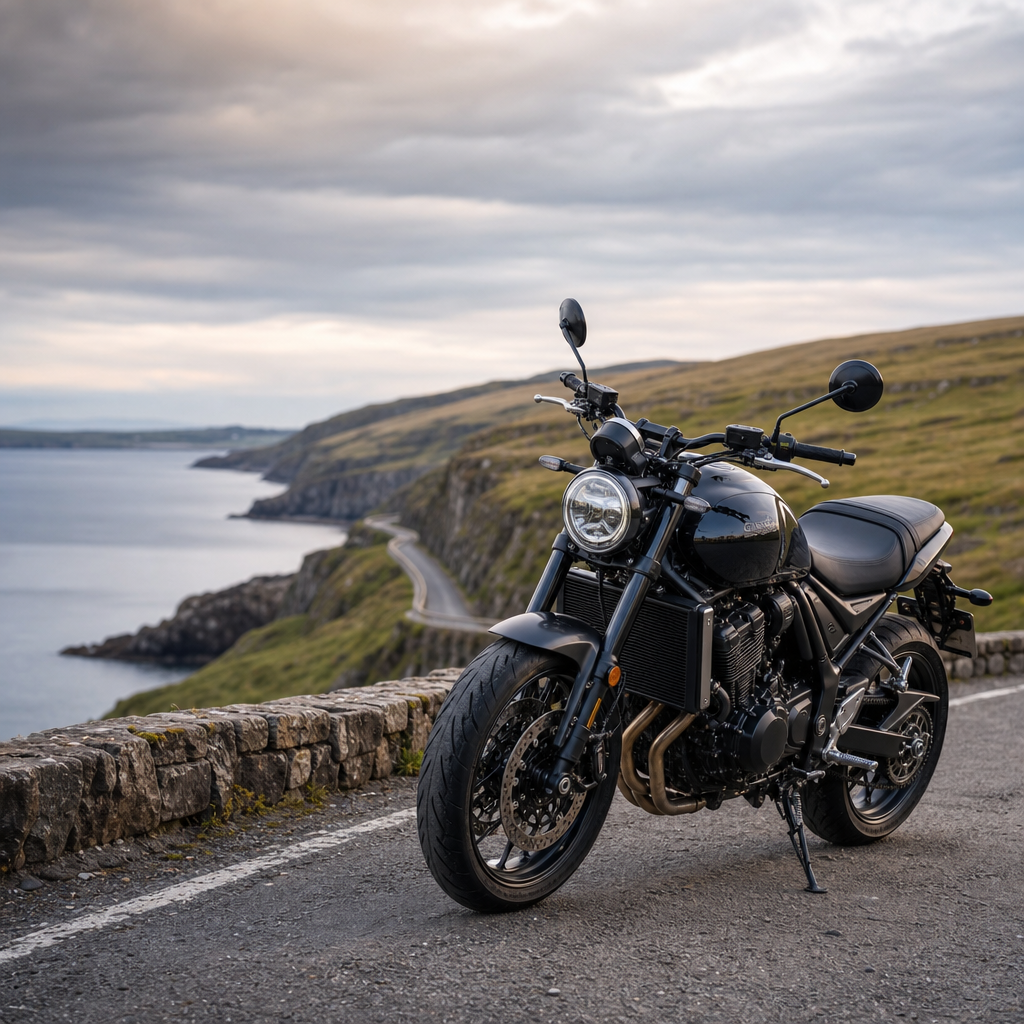
The thrill of a motorcycle is undeniable. The open road, the wind in your face (or helmet!), and the sheer sense of freedom are magnetic. For many, that dream begins with a used bike, offering fantastic value and an accessible entry point into the two-wheeled world. But before you can confidently twist the throttle, there’s a crucial step that can often feel like navigating a minefield: motorcycle insurance.
In the UK, insurance isn't just a good idea; it's a legal necessity. Yet, for used bikes, particularly if you’re new to motorcycling or eyeing something a bit different, getting the right cover at the right price can be daunting. This guide from CarsLink.ai is designed to demystify the process, helping you understand the factors at play and equip you with the knowledge to insure your used motorcycle smartly and securely.
Key Factors Affecting Your Premium
When an insurer calculates your premium, they're assessing risk. This risk is a combination of who you are, what you ride, and how you plan to use it. Understanding these factors is the first step to influencing your quotes:
Your Rider Profile:
- Age and Experience: Younger, less experienced riders, particularly those on a provisional licence or a newly passed A2/A licence, generally face higher premiums. Insurers see less experience as a higher risk.
- Address (Postcode): Unfortunately, where you live significantly impacts your premium. Areas with high rates of motorcycle theft or road traffic incidents will push your costs up.
- Occupation: Some jobs are statistically deemed higher or lower risk. For instance, a delivery rider will pay more than someone using their bike purely for weekend leisure.
- Claims History & No-Claims Bonus (NCB): A clean claims history and a healthy no-claims bonus are your best friends here. Each year without a claim typically earns you a discount.
- Licence Type: Full A, A1, A2, or provisional – your licence entitlement dictates what you can ride and is a core part of the risk assessment.
The Motorcycle Itself:
- Make, Model & Engine Size (CC): High-performance superbikes with powerful engines will almost always be more expensive to insure than a modest 125cc commuter or a cruiser. Insurers consider repair costs, the likelihood of high-speed incidents, and theft rates.
- Value: A more valuable bike costs more to replace or repair.
- Security Features: Factory-fitted immobilisers and alarms (especially Thatcham-approved systems) can often bring premiums down.
- Theft Risk: Some models are notoriously popular targets for thieves, and this will be reflected in your quote. Always check crime statistics for particular models.
Usage and Storage:
- Declared Mileage: The more miles you plan to cover, the higher the perceived risk. Be honest here – misstating your mileage could invalidate your policy.
- Commuting vs. Pleasure: Using your bike for daily commuting or business adds risk compared to purely recreational use.
- Overnight Storage: A motorcycle stored in a locked garage is far less of a risk than one parked on a public street or even a driveway, and your premium will reflect this.
Navigating Policy Types: Third Party to Fully Comprehensive
Understanding the different levels of cover available is crucial for making an informed choice that balances protection with cost.
Third Party Only (TPO): This is the absolute legal minimum required in the UK. TPO covers damage or injury you cause to a third party (another person, their vehicle, or property). Crucially, it does not cover any damage to your own motorcycle if you're at fault, nor does it cover theft or fire damage to your bike. While often the cheapest option, it offers the least protection, making it a risky choice for most riders, especially if your used bike is valuable or difficult to replace.
Third Party, Fire and Theft (TPFT): Building on TPO, this policy adds cover for your own motorcycle if it's damaged by fire or stolen. This is a popular middle-ground option for many used bike owners. It protects against two significant risks – your bike being gone in the morning or going up in smoke – without the higher cost of fully comprehensive cover. However, like TPO, it still won't cover damage to your bike if you're responsible for an accident.
Fully Comprehensive: This is the highest level of cover available and offers the most extensive protection. In addition to covering third parties, fire, and theft, a fully comprehensive policy will also cover damage to your own motorcycle even if you are at fault for an accident. It often includes other benefits such as personal accident cover, medical expenses, legal expenses, and sometimes even breakdown assistance. While it's typically the most expensive option, it provides the greatest peace of mind, especially for newer riders, more valuable bikes, or those who rely heavily on their motorcycle. For a valuable used bike, the extra cost can be well worth it if it means avoiding a major financial hit after an accident.
When choosing, consider the value of your bike, your personal financial situation, and your risk tolerance. For a £1,000 used 125cc, TPFT might be sufficient, but for a £8,000 used sports tourer, fully comprehensive could be a wise investment.
Practical Tips for Reducing Your Insurance Costs
Even after considering the basic factors and policy types, there are several proactive steps you can take to shave pounds off your premium:
- Enhance Security: Insurers love security. Investing in Thatcham-approved alarms and immobilisers, robust ground anchors, heavy-duty chain locks, and disc locks can make a difference. Parking your bike in a locked garage overnight is a significant advantage over street parking. Always declare all your security measures when getting a quote.
- Honest Mileage Declaration: Be realistic about your annual mileage. Lower mileage usually means lower premiums, but don't understate it drastically. If you have to make a claim and your actual mileage far exceeds your declared amount, your policy could be invalidated.
- Advanced Rider Training: Undertaking advanced courses like those offered by IAM RoadSmart or the RoSPA Advanced Rider Test can significantly reduce your perceived risk. Many insurers offer discounts for riders who have passed such qualifications, as it demonstrates a higher level of skill and road awareness.
- Protect Your No-Claims Bonus (NCB): Your NCB is gold. Consider protecting it, which means even if you make a claim, your bonus isn't lost. This usually incurs a small extra premium, but can save you much more in the long run.
- Adjust Your Voluntary Excess: The "excess" is the amount you pay towards a claim. While a higher voluntary excess can reduce your premium, ensure it's an amount you could comfortably afford if you needed to make a claim.
- Shop Around Relentlessly: Never just accept your renewal quote. Use comparison websites (like GoCompare, CompareTheMarket, MoneySuperMarket) but also check direct insurers and specialist brokers (like Carole Nash, Bikesure, Principal Insurance). Different insurers have different risk appetites and can offer wildly varying quotes for the same cover.
- Pay Annually: If you can afford to, paying your premium in one lump sum annually is almost always cheaper than monthly instalments, which often include interest charges.
- Multi-Bike Policies: If you're fortunate enough to own more than one motorcycle, a multi-bike policy from a specialist insurer can often work out cheaper than insuring each bike separately.
Special Considerations: Classics, Customs, and Modified Used Motorcycles
Used motorcycles come in all shapes and sizes, and some require a more specialised approach to insurance.
Classic Motorcycles: Insuring a classic used bike (typically 20-30 years old or more) often requires a specialist insurer. These policies are different because they recognise the unique nature of classic ownership:
- Agreed Value: Crucial for classics, this means you and the insurer agree on the bike's value before the policy starts, avoiding disputes if it's written off.
- Limited Mileage: Classics are often ridden less, so policies often come with mileage restrictions, which can lower premiums.
- Owner Dedication: Insurers understand classic owners are generally careful, enthusiastic, and often members of owners' clubs, which can be seen favourably.
- Specialist Parts: Access to parts and repair costs are factored in.
Custom Bikes: Whether you've bought a pre-built custom or plan to commission one, insuring it can be complex. The unique nature of custom bikes means:
- Valuation Challenges: Establishing the true value of a custom build, especially with bespoke parts and labour, is key. You'll need detailed receipts, photographs, and possibly professional valuations.
- Specialist Insurers: Most mainstream insurers shy away from highly customised bikes. You'll almost certainly need a specialist broker who understands the nuances of unique builds.
- Declaration is Vital: Every customisation, no matter how small, must be declared. Non-disclosure will invalidate your policy.
Modified Motorcycles: Any alteration from the manufacturer's standard specification counts as a modification. This includes aftermarket exhausts, remapped ECUs, braided brake lines, different handlebars, upgraded suspension, or even cosmetic changes like custom paintwork or fairings.
- Declare Everything: This cannot be stressed enough. If you buy a used bike that has modifications, you are legally obliged to declare them. Failure to do so is considered non-disclosure and will likely lead to any claim being rejected.
- Impact on Premiums: Modifications can significantly impact your premium. Performance-enhancing modifications (e.g., ECU remaps, high-performance exhausts) are likely to increase costs the most due to the perceived increase in risk. Even purely cosmetic changes can raise premiums as they might increase repair costs or the bike's attractiveness to thieves.
- Specialist Cover: For heavily modified bikes, you may need a specialist insurer. They are more accustomed to assessing the risks associated with non-standard parts and can offer suitable cover. Always get quotes with and without the modifications declared to see the impact.
Conclusion
Insuring your used motorcycle in the UK doesn't have to be a headache. By understanding the key factors that influence premiums, choosing the right level of cover for your needs, and proactively taking steps to reduce your risk, you can secure a policy that offers both protection and value. Remember to always be honest and transparent with insurers, declare all relevant details, and never stop shopping around. With the right insurance in place, you can truly enjoy the freedom and exhilaration of your two-wheeled dream, safe in the knowledge that you’re properly covered for the road ahead.