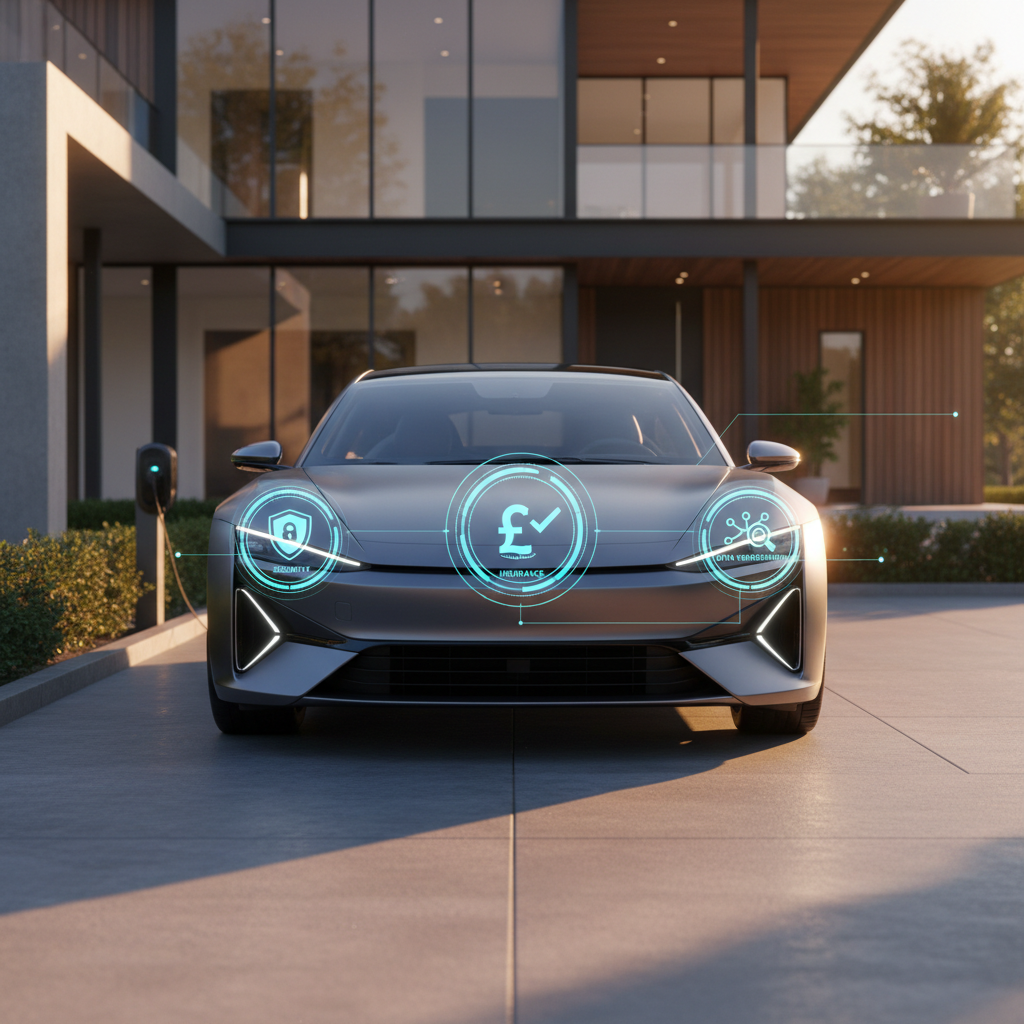
When buying a used car in 2026, the stakes have never been higher. With the average price of a three-year-old electric SUV hovering around £35,000 and the rising sophistication of ‘cloning’ scams involving stolen V5C logs, a basic vehicle check isn't enough. Most savvy buyers turn to HPI (Hire Purchase Inspection), but there is often a misunderstanding about its most famous feature: the £30,000 HPI Guarantee.
Is this financial indemnity still the gold standard in 2026, or has the fine print evolved to leave modern buyers exposed? Here is everything you need to know about the HPI check data protector and how to ensure your investment is truly covered.
What is the HPI Guarantee in 2026?
The HPI Guarantee is a form of vehicle history insurance. When you pay for a premium HPI check, you aren't just buying data from the DVLA, police, and finance houses; you are buying a promise.
If HPI provides you with information that turns out to be inaccurate—for instance, they say a car has no outstanding finance, but it is later repossessed by a lender—the guarantee is designed to reimburse your financial loss up to the value of £30,000.
In an era where CarsLink.ai helps thousands of users navigate the complexities of EV batteries and digital service records, understanding the "safety net" behind the data is crucial.
The 2026 Terms: Is Your £30,000 Protection Still Valid?
While the headline figure remains £30,000, the HPI guarantee terms in 2026 have become more specific to reflect the modern car market. To benefit from the indemnity, you must meet several strict criteria:
1. The Timing of the Check
The guarantee only applies if you perform the check before you buy the car. In the fast-paced 2026 market, many buyers ‘check retrospectively’ after feeling uneasy. If the date on your HPI certificate is after the date you transferred funds, the guarantee is void.
2. Verification of the V5C (Logbook)
With the DVLA’s digital-first approach, HPI now requires buyers to verify the V5C issue date and serial number. If you fail to input these correctly during the check, the HPI financial indemnity may not apply. This is a common pitfall for buyers who rely solely on the VRM (Vehicle Registration Mark).
3. Proof of Purchase and Valuation
To claim the full £30,000, you must prove you paid a "fair market price." If you bought a 2024 Porsche Taycan for £15,000 (well below market value), HPI may argue that you should have known the deal was "too good to be true," potentially invalidating the claim under their "due diligence" clauses.
What Does the HPI Guarantee Cover?
In 2026, the guarantee is primarily focused on four key areas of risk:
| Risk Category | Coverage Status | Notes |
|---|---|---|
| Outstanding Finance | Fully Covered | Protects against logbook loans and PCP/HP agreements. |
| Stolen Vehicles | Fully Covered | Only if the vehicle was recorded as stolen on the Police National Computer at the time of the check. |
| Written-off Status | Fully Covered | Covers Category S, N, and the older C/D classifications. |
| Cloning/Identity | Partially Covered | Only if you verified the VIN/Chassis number as per HPI instructions. |
| Mechanical Failure | Not Covered | This is history insurance, not a mechanical warranty. |
The "Data Protector" vs. Modern Fraud
In 2026, "cloning" has become more sophisticated. Criminals often use the identity of a legitimate, "clean" car to sell a stolen or salvaged one. The HPI check data protector is only effective if you, the buyer, physically verify that the VIN on the car matches the VIN provided in the HPI report.
At CarsLink.ai, we always advise buyers to check the VIN in at least two places: the windscreen base and the door pillar or engine bay. If these don't match your HPI report, walk away immediately.
Common Reasons Claims are Rejected
It is a mistake to think the £30,000 is an "automatic" payout. In recent years, HPI has tightened its claims process. Common reasons for rejection include:
- Transfer of Ownership: The guarantee is non-transferable. If you buy a car from a private seller who "shows" you an HPI report they ran, you are not covered. You must run the report in your own name to activate the indemnity.
- Commercial Use: Many policies exclude vehicles used for hire and reward (Uber/delivery) unless specified.
- Missing Information: If the HPI report stated "Data Not Available" for a certain section and you proceeded anyway, you cannot later claim for a loss in that area.
How the HPI Guarantee Compares to Other Checks
While many free or cheap "2026 car checkers" exist, they usually lack the financial backing of a guarantee.
- Free Checks: Usually only provide basic MOT history and ULEZ compliance. No financial indemnity.
- Mid-tier Checks (£10-£15): May offer a limited guarantee of £5,000 or £10,000.
- Premium HPI Check: The original £30,000 guarantee, backed by extensive trade databases.
For any vehicle over £10,000, relying on a free check is a massive gamble. With road tax (VED) and ULEZ penalties now being automated via camera networks, ensuring your car's history is legally "clean" is more than just a preference—it’s a financial necessity.
Summary: Is the £30,000 Protection Enough?
As we move through 2026, the £30,000 limit is starting to look "lean" for high-end EVs and luxury SUVs. If you are purchasing a vehicle worth £60,000, be aware that HPI's liability is capped at £30,000. You would be responsible for the remaining loss if the car was seized.
For the vast majority of UK used car buyers, however, the HPI Guarantee remains the most robust vehicle history insurance available. It provides peace of mind that if the systems fail, your bank balance won't have to take the full hit.
Final Checklist Before You Buy:
- Run your own HPI check – don't trust the seller's printout.
- Verify the V5C – ensure the serial number matches the DVLA database.
- Check the VIN – physically inspect the car's chassis numbers.
- Keep your receipt – you'll need proof of the price paid for any indemnity claim.
Whether you're looking for your next electric hatchback or a reliable family workhorse, CarsLink.ai is here to provide the insights you need to stay ahead of the market. Don't leave your £30,000 to chance—always verify before you buy.