What Is a Full Service History and Why Does It Matter?
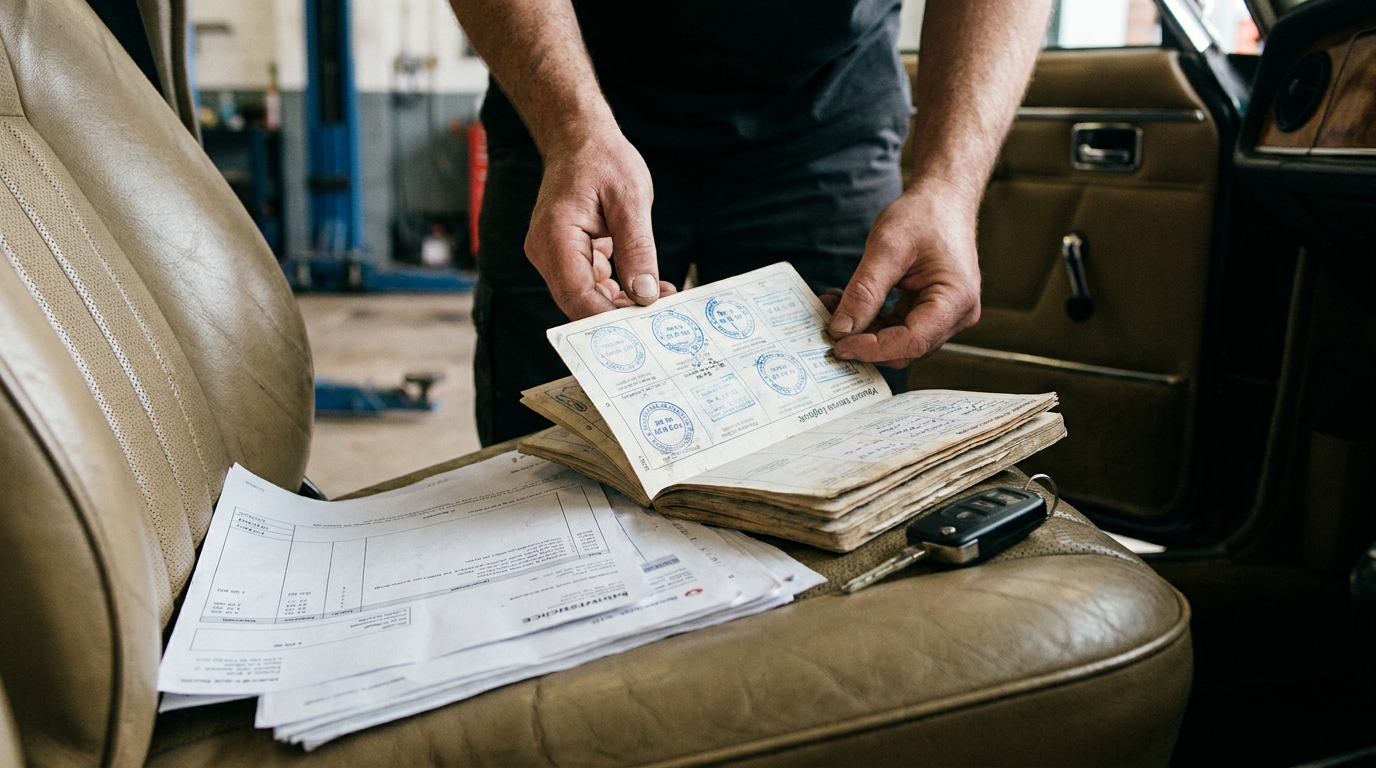
A full service history (FSH) is a complete record of all maintenance work performed on a vehicle throughout its lifetime, documented through service stamps, receipts, and invoices. This documentation proves the car has been maintained according to the manufacturer's schedule and provides evidence of its mechanical condition. For used car buyers, a verified FSH can reduce the risk of expensive repairs, increase resale value by up to 26%, and offer peace of mind that the vehicle has been properly cared for.
When you're investing thousands of pounds in a used vehicle, the service history becomes your window into how the previous owner treated the car. A well-maintained vehicle with documented services will typically outlast an identical model with gaps in its maintenance record. The difference between a car with FSH and one without can amount to hundreds or even thousands of pounds in the asking price, reflecting the reduced risk and increased reliability.
Buyers often overlook service history verification in their excitement to secure a deal, but this single document check can save you from purchasing a vehicle with hidden mechanical issues. Whether you're browsing dealer stock or private sales, understanding how to properly verify service records is an essential skill that protects your investment.
Understanding What Should Be in a Complete Service History
A genuine full service history contains specific documentation that tracks every scheduled maintenance interval from the vehicle's first service onwards. The service book should include stamped entries from authorised dealers or independent garages, each showing the date, mileage, and work completed. Modern vehicles may use digital service records stored in manufacturer databases, which dealers can access and print upon request.
Beyond the service book stamps, you should expect to see accompanying invoices and receipts that detail the actual work performed. These documents list replaced parts, fluids changed, and any additional repairs carried out during each service. The invoices should match the stamps in the service book, with consistent mileage progression and no suspicious gaps in the timeline.
For vehicles still under warranty or those serviced at franchised dealers, the history may include software updates, recall work, and warranty repairs. These additional records demonstrate that the car has been maintained within the manufacturer's network, which can be particularly valuable for premium brands where main dealer history commands a price premium.
Step 1: Request All Service Documentation Before Viewing
Before travelling to inspect a vehicle, ask the seller to provide photographs or scans of the complete service history. This preliminary check allows you to assess whether the documentation exists and appears legitimate without wasting time on a wasted journey. Request clear images of every page in the service book, plus copies of major service invoices, particularly for expensive work like timing belt replacements or brake overhauls.
When reviewing the provided documentation remotely, check that the service intervals align with the manufacturer's recommended schedule. Most vehicles require servicing every 10,000 to 12,000 miles or annually, whichever comes first. Calculate whether the services occurred at appropriate mileage points and look for any gaps exceeding 18 months or 15,000 miles, which might indicate neglect.
Pay attention to the quality and consistency of the documentation itself. Genuine service books have security features like watermarks and specific formatting that's difficult to replicate. If the seller cannot provide any documentation before your visit, consider whether the vehicle is worth pursuing, as this often indicates missing or incomplete records.
Step 2: Verify Service Stamps and Garage Details
Once you're inspecting the physical service book, examine each stamp carefully for signs of authenticity. Legitimate garage stamps include the business name, address, telephone number, and often a company registration or VAT number. The stamps should be clear, properly aligned, and show slight variations in ink density, as genuine stamps are applied by hand rather than printed.
Cross-reference the garage details against online business directories and Google Maps to confirm they exist at the stated address. Call the garages listed in the service book to verify they performed the work on the dates and mileages shown. Most reputable garages keep digital records going back several years and can confirm service history within minutes. This step is particularly important for high-value vehicles where service history significantly affects the price.
Be wary of service books where multiple entries use identical stamps with perfect alignment, as this suggests they were printed rather than stamped individually. Similarly, watch for stamps from garages that closed years ago or addresses that don't exist, both common signs of fabricated history. If you're buying from a dealer, they should be willing to facilitate these verification calls or provide contact details for previous servicing locations.
Step 3: Match Invoices to Service Book Entries
Every stamp in the service book should have a corresponding invoice or receipt that provides detailed information about the work performed. Compare the dates, mileages, and garage names between the service book stamps and the invoices to ensure they match exactly. Discrepancies might indicate that stamps have been added retrospectively or that the service book doesn't belong to this particular vehicle.
Examine the invoices for specific details about parts used and work completed. A genuine major service invoice will itemise oil filters, air filters, spark plugs (where applicable), and the grade of oil used. The invoice should also show labour charges, parts costs, and VAT separately. Generic invoices that simply state "full service" without itemised parts are less reliable and harder to verify.
For expensive maintenance items like timing belts, clutches, or turbochargers, the invoices become particularly important. These components have specific replacement intervals, and documented evidence of their renewal can justify a higher asking price. If the seller claims major work has been completed but cannot provide invoices, treat this as a red flag that requires further investigation before proceeding.
Step 4: Check Digital Service Records with the Manufacturer
Many manufacturers now maintain digital service records that authorised dealers can access through their diagnostic systems. If the vehicle has been serviced at franchised dealers, ask them to print a service history report directly from the manufacturer's database. This digital record is virtually impossible to falsify and provides the most reliable verification available.
Even if you're buying from a private seller or independent dealer, you can often obtain digital service records by contacting a franchised dealer for that brand. Some manufacturers charge a small fee for this service, but the cost is negligible compared to the peace of mind it provides. The digital record will show every visit to an authorised dealer, including warranty work, recalls, and any technical investigations.
For vehicles that have been serviced outside the dealer network, digital records may be incomplete or absent. This doesn't necessarily indicate poor maintenance, as many independent specialists provide excellent service at lower costs than franchised dealers. However, the burden of proof shifts to the physical documentation, making the invoices and service book even more critical for verification.
Step 5: Use Online History Checks to Validate Mileage
Order a comprehensive vehicle history check from a reputable provider to access MOT records and mileage history. The MOT database records the mileage at every test going back to 2005, allowing you to verify that the service book mileages are consistent with the MOT progression. Any discrepancies between service records and MOT mileages should be investigated thoroughly, as they may indicate clocking or fraudulent documentation.
The MOT and vehicle history checks also reveal advisory notices that can corroborate or contradict the service history. For example, if an MOT advisory mentions worn brake pads but the service history shows they were replaced shortly afterwards, this supports the authenticity of the records. Conversely, repeated advisories for the same issue without documented repairs suggest the service history may be incomplete.
Compare the service history mileage progression against the MOT records to identify any periods where the vehicle covered unusually high or low mileage. High-mileage periods between services might explain why certain maintenance was needed earlier than expected, while suspiciously low mileage could indicate the vehicle has been used for short journeys that are particularly hard on engines.
Step 6: Identify Red Flags and Missing Services
Gaps in the service history longer than 18 months or 15,000 miles represent significant red flags that require explanation. During these gaps, critical maintenance may have been missed, potentially leading to accelerated wear or component failure. Ask the seller directly about any gaps and request evidence of work performed during these periods, even if it wasn't recorded in the official service book.
Missing major services are particularly concerning, as these typically include important replacements like timing belts, coolant changes, and brake fluid renewals. Check the manufacturer's service schedule to identify which major services should have been completed based on the vehicle's age and mileage. If a critical service is overdue or there's no evidence it was completed, factor the cost of this work into your negotiations or walk away if the seller cannot provide satisfactory answers.
Be cautious of service histories where all the work was performed by a single independent garage with no verifiable online presence. While many excellent independent specialists exist, this pattern can sometimes indicate fabricated records. Similarly, service books with stamps from multiple different garages across various regions of the country might suggest the vehicle has had numerous owners or has been used commercially, which could affect its condition.
Why Independent Garage Services Are Still Valuable
Vehicles serviced by reputable independent garages can be just as well maintained as those with franchised dealer history, often at a fraction of the cost. Independent specialists frequently use original equipment manufacturer (OEM) parts or quality aftermarket alternatives that meet or exceed the original specifications. What matters most is the consistency and completeness of the documentation, not whether the stamps come from franchised dealers.
Many independent garages specialise in specific brands and employ technicians with extensive experience on those vehicles. These specialists often provide more thorough service than franchised dealers while maintaining detailed records and using diagnostic equipment equivalent to main dealer tools. When evaluating independent garage history, research the garage's reputation through online reviews and check they're registered with trade bodies like the Independent Garage Association.
For older vehicles outside their warranty period, independent garage history is perfectly acceptable and should not significantly affect the value. However, for nearly-new vehicles or those with remaining manufacturer warranty, franchised dealer history may be essential to maintain warranty coverage. Understanding these distinctions helps you assess whether the type of service history matches the vehicle's age and value appropriately.
What to Do When Service History Is Incomplete
An incomplete service history doesn't automatically mean you should reject a vehicle, but it does require careful consideration and potentially a lower offer price. Assess the gaps in the history and determine whether they occurred during critical maintenance periods. A vehicle missing its first three years of history but with complete records for the past five years presents less risk than one with recent gaps or missing major service intervals.
Request a pre-purchase inspection from an independent mechanic who can assess the vehicle's actual condition regardless of the documented history. A thorough mechanical inspection can reveal whether the car has been maintained properly despite incomplete paperwork. Look for signs of recent fluid changes, worn components that should have been replaced, and overall mechanical condition that either supports or contradicts the available documentation.
If you decide to proceed with a vehicle that has incomplete history, negotiate a price reduction that reflects the increased risk and reduced resale value. Factor in the cost of immediately performing any overdue maintenance and consider setting aside additional funds for potential repairs. Some buyers successfully rebuild service history by having a comprehensive service performed immediately after purchase, creating a new baseline for future maintenance records.
How Digital Tools Are Changing Service History Verification
Modern technology is making service history verification more transparent and reliable than ever before. Many dealers now provide digital service records that buyers can access online, and some manufacturers offer smartphone apps where owners can view their vehicle's complete maintenance history. These digital systems reduce the risk of lost paperwork and make it easier for subsequent owners to verify the vehicle's maintenance record.
When you're searching for your next vehicle using AI-powered tools, you can often filter results to show only vehicles with verified full service history. This capability saves time by eliminating vehicles with incomplete records before you even begin the inspection process. Advanced search platforms can also flag vehicles where the service history doesn't align with MOT records or where documentation appears suspicious.
The shift towards digital record-keeping means that vehicles serviced in recent years will have more verifiable histories than older vehicles that relied solely on paper documentation. As a buyer, you can leverage these digital tools to conduct more thorough due diligence and make more informed decisions about which vehicles represent genuine value versus those that carry hidden risks.
Frequently Asked Questions
Can I trust a service history from an independent garage?
Yes, service history from reputable independent garages is trustworthy and valuable, provided the documentation is complete and verifiable. Independent specialists often maintain detailed records and use quality parts while charging less than franchised dealers. Verify the garage's legitimacy by checking online reviews, confirming their business registration, and calling to validate the service records. For vehicles outside warranty periods, independent garage history should not significantly affect value or reliability, as long as the maintenance was performed according to the manufacturer's schedule.
What if the seller has lost the service book?
A lost service book doesn't necessarily mean the vehicle lacks service history, as many garages keep digital records of work performed. Contact the garages where the vehicle was serviced and request duplicate invoices or service records. For vehicles serviced at franchised dealers, the manufacturer's database may contain digital records that can be printed. If you cannot reconstruct the service history through these methods, treat the vehicle as having incomplete history and adjust your offer accordingly, factoring in the reduced resale value and increased risk.
How much does full service history affect a used car's value?
Full service history typically adds 10-26% to a used vehicle's value compared to an identical model without documented maintenance records. The premium is highest for premium brands, nearly-new vehicles, and models where reliability concerns make maintenance history particularly important. Beyond the immediate purchase price, FSH improves resale value when you eventually sell the vehicle and can reduce insurance premiums with some providers. The value impact increases with the vehicle's age and mileage, as documented maintenance provides greater reassurance for older, higher-mileage vehicles.
Should I avoid buying a car with missing service history?
Missing service history increases risk but doesn't automatically disqualify a vehicle from consideration. Assess the gaps carefully: recent missing services are more concerning than gaps from many years ago. Consider having a pre-purchase inspection performed by a qualified mechanic to evaluate the vehicle's actual condition. If the mechanical inspection reveals good condition despite incomplete paperwork, you might proceed with a reduced offer that reflects the missing documentation. However, for high-value vehicles or those with known reliability issues, complete service history becomes more critical and missing records may justify walking away.
How can I verify service history for a vehicle I'm buying online?
Request comprehensive photographs or scans of all service documentation before committing to purchase. Use the garage contact details shown in the service book to call and verify the work was performed. Order a vehicle history check to compare service book mileages against MOT records. For vehicles serviced at franchised dealers, contact the manufacturer's customer service to request digital service records. Many online dealers now provide digital service history as part of their listings, which you can verify through the manufacturer's database. If buying remotely, consider using a vehicle inspection service that includes service history verification as part of their assessment.
Making Service History Part of Your Buying Decision
Verifying full service history should be a non-negotiable step in your used car buying process, sitting alongside mechanical inspections and history checks. The time invested in thorough verification pays dividends by reducing the risk of expensive repairs and ensuring you're paying a fair price for the vehicle's actual condition. A well-documented service history transforms a used car from an unknown quantity into a transparent investment where you understand exactly what you're buying.
When you're ready to search for your next vehicle, platforms that prioritise transparency and direct dealer connections make it easier to find cars with verified service history. By connecting directly with dealers who list their stock with complete documentation, you can conduct your due diligence more efficiently and negotiate from a position of knowledge rather than uncertainty.
Remember that service history verification isn't about being suspicious or difficult; it's about making an informed decision that protects your investment. Reputable sellers welcome thorough verification because they understand it builds trust and demonstrates the value of their vehicle. If a seller becomes defensive or evasive when you request service documentation, consider this behaviour as valuable information about whether this is the right vehicle and the right seller for your purchase.