From City Runabout to Country Cruiser: Matching Your Used Car to Your UK Lifestyle Needs
Buying a used car is one of life's bigger financial decisions, and it’s one that requires more than just a passing thought about the budget. While getting a good deal is always satisfying, the real triumph lies in finding a vehicle that seamlessly integrates with your unique UK lifestyle. From the bustling streets of London to the winding lanes of the Scottish Highlands, our diverse island demands a car perfectly tailored to your daily routines and weekend adventures.
At CarsLink.ai, we understand that "one size fits all" simply doesn't apply to car ownership. This guide will walk you through the key considerations, helping you navigate the exciting world of used cars and pinpoint the perfect match for your needs.
Your Daily Drive: Commute, Errands, and Weekend Escapades
The first step in finding your ideal used car is to honestly assess how you’ll be using it most of the time. Are you a city dweller, a suburban commuter, or someone who frequently covers long distances?
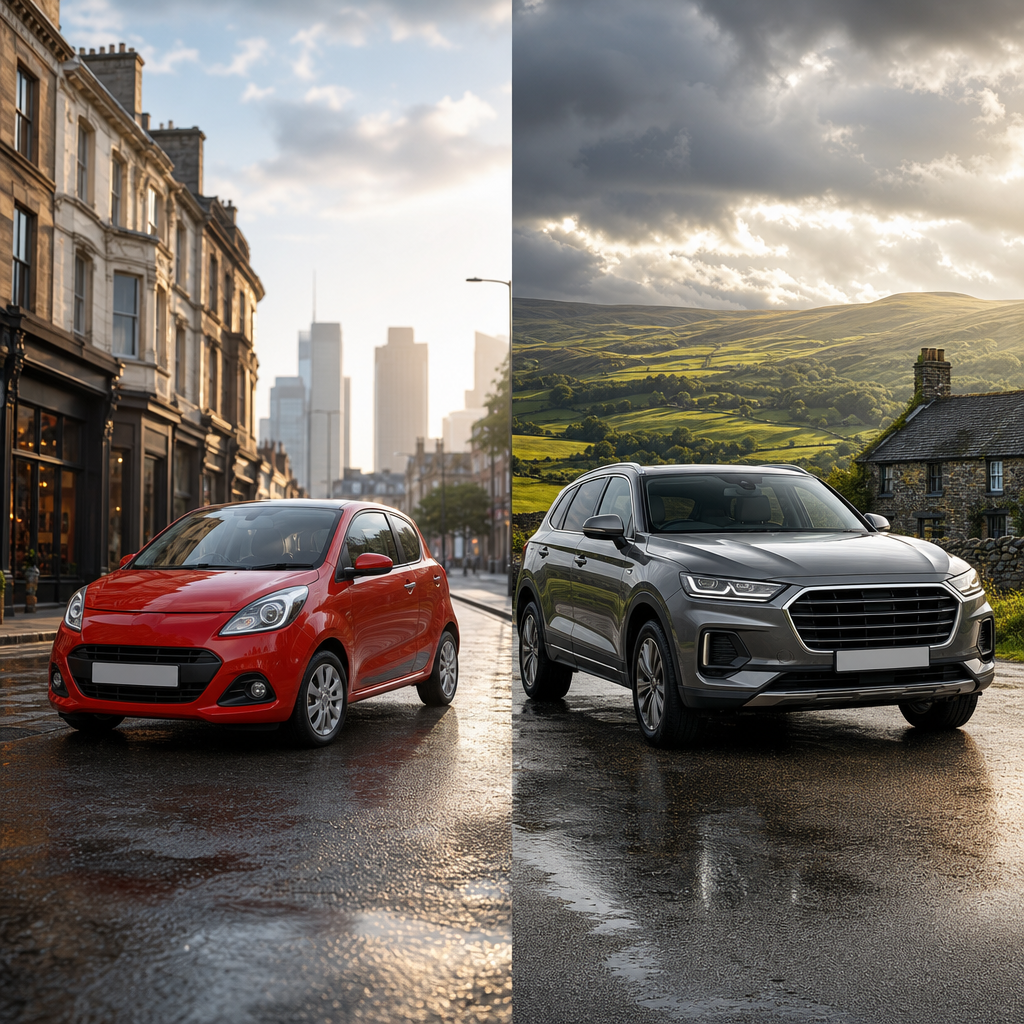
The Urban Explorer (City Runabout): If your daily routine involves navigating narrow streets, squeezing into tight parking spaces, and enduring stop-start traffic, a compact city car is your best friend. Models like the VW Up!, Fiat 500, Toyota Aygo, or Hyundai i10 excel here. They offer excellent fuel economy, nimble handling, and often lower Vehicle Excise Duty (VED) thanks to their small engines and reduced emissions. While their boot space might be limited to a few shopping bags, their sheer practicality in an urban environment is unmatched. They might feel a little out of their depth on a long motorway journey, but for quick trips and easy parking, they're hard to beat.
The Suburban All-Rounder (Mixed Use): For those living in the suburbs or smaller towns, a slightly larger hatchback offers a superb balance. Cars like the Ford Fiesta, Vauxhall Corsa, VW Polo, or Skoda Fabia provide more comfort for longer journeys than a pure city car, with better boot capacity for weekly shops or weekend luggage. They're still manageable for town driving and parking but feel more stable and refined on faster A-roads or occasional motorway stints. They’re a versatile choice for individuals or couples who need flexibility without the bulk of a larger vehicle.
The Long-Haul Companion (Country Cruiser/Motorway Muncher): If your lifestyle involves frequent motorway travel, long commutes, or regular trips across the country, comfort, stability, and a decent engine become paramount. Medium-sized hatchbacks such as the Ford Focus, VW Golf, or Skoda Octavia, or even a compact saloon like a BMW 3 Series or Audi A4, are excellent candidates. These cars offer a smoother ride, quieter cabins, and better cruising ability. Their increased size also often translates to enhanced safety features and more robust build quality, providing peace of mind on longer journeys. Parking in a crowded city centre might require a bit more precision, but for eating up the miles, they're in their element.
Family Dynamics and Passenger Power
Your passenger requirements and the amount of "stuff" you regularly transport are critical factors, especially when considering family life.
Individuals & Couples: If it's just you or you and a partner, your options are vast. You might prioritise fuel economy, a sporty driving experience, or a comfortable cabin. A small hatchback, a stylish coupe, or even a compact SUV could fit the bill, allowing you to focus on personal preferences without worrying about fitting a buggy or multiple car seats.
Small Families (1-2 Children): This is where boot space and rear passenger comfort become key. Medium hatchbacks like the VW Golf or Ford Focus can work, but an estate car (e.g., Skoda Octavia Estate, Ford Focus Estate) or a compact SUV (e.g., Nissan Qashqai, Kia Sportage) often provide a more practical solution. Look for ample ISOFIX points, easy access for strapping children into car seats, and enough room for buggies, school bags, and the dreaded weekly shop. Estate cars, in particular, offer cavernous, flat load areas that are incredibly versatile.
Larger Families (3+ Children) / Regular Group Transport: For bigger families or those who frequently ferry friends or pets, a traditional MPV (Multi-Purpose Vehicle) or a 7-seater SUV is almost essential. Models like the Vauxhall Zafira, Ford S-Max, VW Touran, or 7-seater SUVs such as the Hyundai Santa Fe, Kia Sorento, or Land Rover Discovery Sport offer flexible seating arrangements. You can typically fold seats flat for huge boot space or deploy them for extra passengers. When assessing these, consider how much boot space remains when all seats are in use – some offer very little! Also, consider accessibility, especially if you’re lifting children or car seats in and out regularly.
Navigating the UK's Diverse Road Network
The types of roads you typically encounter will significantly influence the ideal characteristics of your used car. The UK's network varies wildly, from smooth dual carriageways to pot-holed rural lanes.
Urban Jungle: For city driving, visibility, manoeuvrability, and compact dimensions are paramount. Electric or hybrid cars are also increasingly popular here, offering low or zero emissions, making them ideal for navigating Ultra Low Emission Zones (ULEZ) or Clean Air Zones (CAZ) found in many major UK cities. A small turning circle is a blessing when performing three-point turns or parking.
Motorway Miles: A car designed for motorway cruising will offer a comfortable, composed ride at speed, a quiet cabin to reduce fatigue, and enough power for safe overtaking. Features like cruise control are also invaluable for maintaining speed and reducing driver strain on long journeys. Good fuel economy at sustained speeds is also a major benefit. Saloons, larger hatchbacks, and executive cars excel in this environment.
Rural Routes & Countryside: If your lifestyle involves frequent trips down narrow country lanes, over uneven surfaces, or through areas prone to adverse weather, a different kind of vehicle comes into its own. Higher ground clearance offered by SUVs or crossovers can protect the underside from bumps and scrapes. For truly remote areas, or those living in parts of the UK prone to heavy snow (e.g., the Scottish Highlands, parts of Wales, the Peak District), a 4x4 or All-Wheel Drive (AWD) system can provide invaluable traction and peace of mind. Robust suspension, good visibility around blind bends, and perhaps even chunkier tyres might also be beneficial for tackling the rougher side of rural Britain.
The Financial Road Ahead: Budgeting Beyond the Purchase Price
The price tag is just the beginning. True car ownership costs involve several ongoing expenses that must be factored into your budget.
Fuel Efficiency: This is a major ongoing cost. Consider whether petrol, diesel, hybrid, or electric is right for you. Diesel cars generally offer better MPG for long motorway journeys, while petrol cars often make more sense for shorter, stop-start city driving. Hybrids offer a blend of efficiency, particularly in urban settings, and fully electric vehicles provide the lowest "fuel" costs if you can charge at home. Always check real-world MPG figures, not just manufacturer claims. Also, be mindful of ULEZ/CAZ charges; older diesel and some petrol cars may incur daily fees in these zones.
Insurance Group: The higher the insurance group, the more expensive your premiums are likely to be. Small, less powerful cars generally fall into lower groups, making them cheaper to insure, especially for younger drivers. Performance cars or those with larger engines will naturally command higher premiums. Always get an insurance quote for any potential purchase before you commit.
Vehicle Excise Duty (VED) / Road Tax: This annual cost varies significantly based on the car's age, engine size, and CO2 emissions. Cars registered before April 2017 are typically taxed based on CO2 bands, while newer cars have a flat rate (with an additional "premium car" supplement for vehicles over £40,000 when new for the first five years). Electric cars are currently exempt from VED, making them an attractive option for reducing running costs.
Servicing & Maintenance: Research the typical servicing costs for your chosen make and model. Some brands (e.g., Japanese manufacturers like Toyota and Honda) have a reputation for reliability and lower maintenance costs due to readily available and affordable parts. Always prioritise a used car with a full service history (FSH), as this indicates it has been well-maintained and could save you from unexpected repair bills down the line.
Conclusion
Choosing the right used car is about more than just finding a vehicle within budget; it's about making a smart investment in your daily life. By thoroughly assessing your commute, family needs, typical road types, and long-term running costs, you can make an informed decision that brings convenience, comfort, and peace of mind.
Don't just look at the shiny paintwork; delve into the practicalities. A city runabout might save you fuel, but will it fit the kids' bikes? A country cruiser offers comfort, but can you easily park it on your street? Take the time to consider these lifestyle factors, and you'll be well on your way to finding the perfect automotive companion for your UK adventures.
Ready to start your search? Head over to CarsLink.ai and browse our extensive range of used cars, armed with the knowledge to find your ideal match!