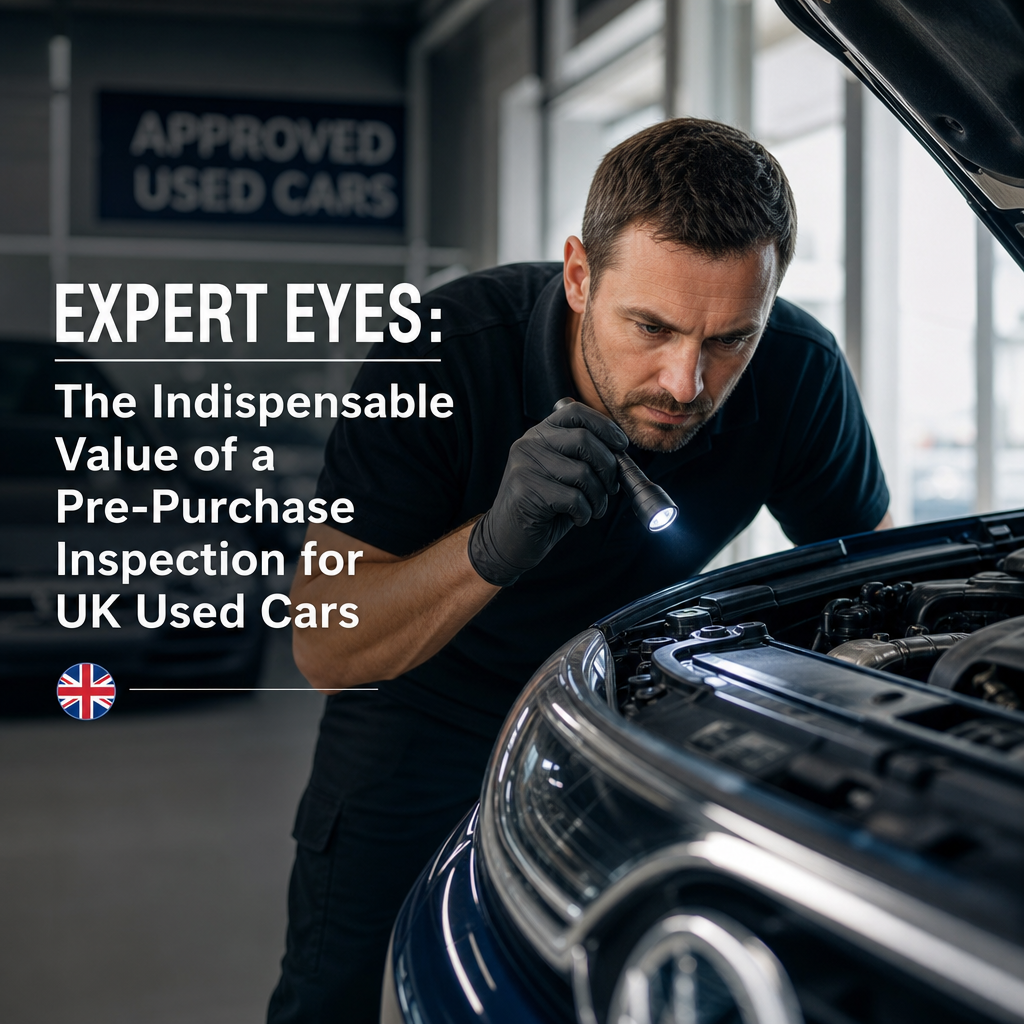
Expert Eyes: The Indispensable Value of a Pre-Purchase Inspection for UK Used Cars
Buying a used car is, for many, an exciting milestone. The thrill of finding the perfect model, the right colour, and a price that fits your budget can be intoxicating. However, beneath the gleaming paintwork and attractive price tag lies a potential minefield of hidden issues. In the bustling UK used car market, where thousands of vehicles change hands daily, how can you truly protect your investment and ensure you’re not buying a costly headache? The answer is simple: a professional Pre-Purchase Inspection (PPI).
Often seen as an additional expense, a PPI is, in fact, an invaluable insurance policy. It’s a thorough, independent health check for a used vehicle, designed to uncover existing faults, potential future problems, and even evidence of undisclosed accident damage. For any savvy UK buyer, foregoing a PPI is a gamble with potentially severe financial consequences. Let’s delve into why this expert assessment is so crucial for your next used car purchase.
Beyond the MOT: What a Professional Inspection Uncovers
Most used cars for sale in the UK will have a valid MOT certificate. While an MOT (Ministry of Transport test) is a legal requirement for vehicles over three years old and confirms a car meets minimum safety and environmental standards at the time of the test, it is by no means a comprehensive health check. It’s a snapshot, focusing on critical safety components like brakes, lights, tyres, and emissions. It won't tell you if the gearbox is on its last legs, if the engine has an intermittent fault, or if the air conditioning system is about to pack up.
This is where a professional PPI steps in, offering a significantly deeper dive:
- Mechanical Depth: A PPI goes far beyond basic functionality. Inspectors will check for unusual engine noises, oil leaks, the condition of ancillary belts, fluid levels and clarity (engine oil, coolant, brake fluid, power steering fluid), and the general health of the cooling system. They'll also assess the clutch bite point and gearbox operation, listening for crunching gears or hesitant shifts.
- Chassis and Suspension Scrutiny: Unlike an MOT, which might only flag extreme wear, a PPI will meticulously check shock absorbers for leaks, bushes for excessive play, and springs for cracks or corrosion. The steering system will be checked for play, responsiveness, and unusual noises. The underside of the car will be thoroughly examined for rust on critical structural components, exhaust system integrity, and evidence of previous welding repairs.
- Electrical and Diagnostic Checks: Modern cars are replete with complex electronics. A PPI will typically include a diagnostic scan to check for stored fault codes, even if no warning lights are currently illuminated. All electrical components, from windows and mirrors to infotainment systems and air conditioning, will be tested for full functionality.
- Bodywork and Structural Integrity: This is where a PPI can save you from buying a vehicle with a hidden past. Inspectors use specialist tools like paint thickness gauges to identify areas that have been repainted, which could indicate previous accident damage. They'll scrutinise panel gaps for inconsistencies, check door hinges, and look for signs of structural repair or rust in critical areas like sills and wheel arches.
- Road Test Performance: A crucial element often overlooked by buyers, the inspector will perform a thorough road test, listening for strange noises, assessing brake performance and feel, checking steering alignment, evaluating gearbox shifts under load, and ensuring the engine performs as expected across its rev range.
In essence, a PPI provides an exhaustive report that paints a far more accurate picture of the vehicle’s true condition, identifying issues that could lead to significant repair bills down the line.
Dealer Checks vs. Impartial Expertise
When buying from a used car dealership, you’ll often be told that the vehicle has undergone a ‘prepared for sale’ check or a ‘120-point inspection’. While reputable dealers will undoubtedly address obvious safety issues and perform basic servicing, it’s vital to understand the inherent difference between their checks and an independent PPI.
A dealer's primary motivation is to sell the car. Their 'prepared for sale' process typically involves:
- Addressing any outstanding MOT advisories.
- Performing a basic service if one is due.
- Undertaking cosmetic repairs (e.g., Smart repair for minor dents or scratches).
- Rectifying any immediately obvious mechanical faults that would prevent a sale or cause a rapid return.
While this ensures the car is presented in a good, roadworthy condition, the depth of their inspection is often guided by commercial viability. They might fix a known issue but are less likely to proactively seek out potential future problems that don't yet manifest as obvious faults, especially if the repair cost would significantly eat into their profit margin. Their checks are internal, designed to minimise warranty claims and facilitate a sale, not necessarily to provide an exhaustive, unbiased assessment for your benefit.
An independent, third-party inspection, on the other hand, comes with no vested interest in the sale. The inspector's sole purpose is to provide you, the buyer, with an objective, expert opinion on the vehicle's condition. This impartiality is paramount. They will identify:
- Existing faults that need immediate attention.
- Wear and tear items that will require replacement in the near future (e.g., brake pads nearing their limit, tyres with only a few millimetres of tread left).
- Evidence of poor previous repairs or accident damage.
- Potential costly problems that might only manifest months down the line.
This unbiased assessment gives you powerful leverage for negotiation. If the report highlights a worn clutch or an oil leak, you have concrete evidence to request a price reduction or ask the seller to rectify the issues before purchase. Without it, you're relying solely on the seller's assurances.
Interpreting the Report: Your Actionable Checklist
Once you've commissioned a PPI, understanding the report is crucial. Before the inspection, make sure to clarify with your chosen mechanic:
- What exactly is covered? Ask for a sample report if possible.
- Their experience with the specific make and model you're interested in.
- What equipment they use (e.g., diagnostic scanners, paint thickness gauges).
- How and when you'll receive the report (typically within 24 hours via email).
- Their insurance details in case of any issues during the inspection or road test.
When you receive the report, don't just skim it. Read every detail carefully. Look for:
- Red Flags/Failures: These are immediate safety or major mechanical issues that would likely prevent you from buying the car, or at least require significant negotiation for repair. Examples include major fluid leaks, severe corrosion on structural components, or serious engine/gearbox faults.
- Advisories: These are items that require attention soon but aren't immediate failures. This could include brake pads with limited life left, worn suspension bushes, tyres nearing the legal limit, or minor electrical faults. These are prime negotiation points – get quotes for these repairs and use them to bargain down the price.
- Cosmetic Issues: While not mechanical, dings, scratches, and interior wear should be noted. They can also contribute to negotiation, especially if the seller claims the car is in 'pristine' condition.
- Estimated Costs: Some comprehensive reports may include estimated repair costs for identified issues, which is incredibly helpful for budgeting and negotiation.
Don't be afraid to ask your inspector for clarification on anything you don't understand. Armed with this detailed knowledge, you can make an informed decision:
- Walk Away: If the report uncovers significant, expensive problems (e.g., structural damage, major engine or gearbox failure) that outweigh the car's value or your budget.
- Negotiate: Use the report's findings to reduce the asking price. Present the repair estimates as clear, quantifiable reasons for a lower offer.
- Budget for Future Repairs: Even if you proceed with the purchase, knowing what maintenance or repairs are on the horizon allows you to factor them into your ownership costs.
Finding Your Trusted Independent Mechanic
The quality of your PPI hinges entirely on the expertise and independence of the inspector. This isn't a task for your neighbour's friend who "knows a bit about cars." You need a professional.
- Seek Recommendations: Word-of-mouth is often the best starting point. Ask friends, family, or colleagues for recommendations. Car enthusiast forums (especially model-specific ones) can also be a goldmine for local, reputable mechanics known for their thoroughness.
- Online Directories and Specialist Services: Websites like Google Maps, Yell.com, and local business directories can help. Specialist PPI services like those offered by the AA or RAC are also excellent options, providing standardised, comprehensive checks and detailed reports. There are also many highly-rated independent mobile mechanics who specialise in PPIs.
- Check Reviews and Qualifications: Always read online reviews (Google Reviews, Trustpilot, Facebook). Look for mechanics with relevant qualifications (e.g., from the Institute of the Motor Industry – IMI). Don't hesitate to call and ask about their experience, particularly with the make and model you're interested in.
- Ensure Independence: Crucially, confirm that the mechanic is truly independent and has no affiliation with the seller or dealership. Sometimes, sellers might suggest a "local garage" they use – exercise caution and consider commissioning your own.
- Transparency and Cost: A reputable mechanic will be transparent about their inspection process, what's included, and the cost. While prices vary, expect to pay anywhere from £100-£300+ for a thorough inspection, depending on the car's complexity and the level of detail. It’s a small price for significant peace of mind.
Whether you opt for a mobile inspector who comes to the car's location or arrange for the seller to take the vehicle to a workshop (which allows for full ramp inspection), ensure you're comfortable with their credentials and process.
Conclusion
In the dynamic and sometimes unpredictable world of UK used car sales, a Pre-Purchase Inspection stands as your most vital shield. It transforms a potentially risky venture into an informed decision, safeguarding your finances and providing invaluable peace of mind. By extending far beyond the basic MOT, offering an impartial assessment distinct from a dealer's check, and equipping you with an actionable report, a PPI empowers you to negotiate effectively or walk away from a bad deal. Don't view it as an extra cost; see it as an indispensable investment in the longevity, safety, and ultimate satisfaction of your next used car purchase.