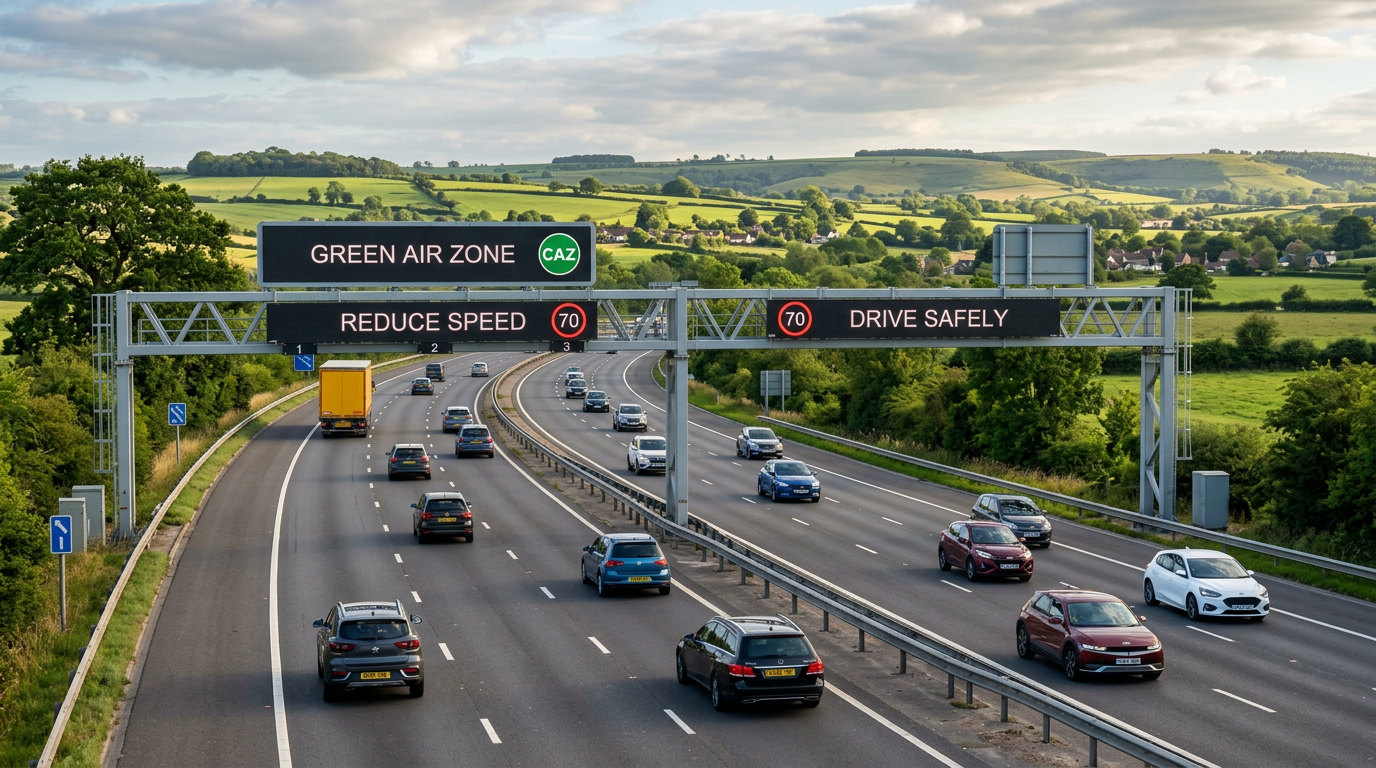
As of early 2026, the UK automotive landscape is undergoing its most significant transformation since the invention of the catalytic converter. While the headlines are often dominated by the 2035 ban on new Internal Combustion Engine (ICE) sales, a more immediate challenge has arrived for manufacturers, dealers, and car buyers alike: the implementation of the Euro 7 standards.
Euro 7 represents the final chapter for petrol and diesel engine development in Europe and the UK. It isn't just about what comes out of the tailpipe anymore; it’s a holistic approach to vehicle emissions that includes brakes, tyres, and real-world driving conditions. For anyone searching for their next vehicle on platforms like CarsLink.ai, understanding these regulations is vital for future-proofing your purchase and maintaining resale value.
What is Euro 7? The 2026 Reality
After years of debate and technical adjustments, the Euro 7 standards are now moving from legislation into production reality. Unlike previous iterations (Euro 1 through Euro 6d), Euro 7 is "fuel-neutral." This means that whether a car runs on petrol or diesel, it must adhere to the same stringent emission limits.
For the first time, regulators are looking beyond the engine. Even Electric Vehicles (EVs) are subject to Euro 7, as the standards introduce limits on particulate matter from brake wear and tyre abrasion.
Key Changes Under Euro 7
- Stricter NOx Limits: Diesel engines must now meet the same Nitrogen Oxide (NOx) standards as petrol cars (60mg/km).
- Real-World Monitoring: Cars must now feature On-Board Monitoring (OBM) systems that track emissions performance over the lifetime of the vehicle.
- Brake & Tyre Particulates: A significant shift towards reducing non-exhaust emissions, which are currently unregulated but contribute heavily to urban air pollution.
- Battery Durability: For hybrids and EVs, Euro 7 sets minimum performance standards for battery longevity to ensure vehicles remain efficient as they age.
The Impact on Petrol and Diesel Cars in the UK
For the UK car buyer in 2026, Euro 7 brings both complexity and clarity. While the "Petrol Car Phase Out" is often discussed in 2030 or 2035 terms, Euro 7 is the regulation that will effectively dictate what is available on the used market over the next decade.
For Petrol Engines
Petrol cars are relatively well-positioned to meet Euro 7, but the cost of compliance is rising. To meet the new particulate and cold-start requirements, expect to see more sophisticated GPFs (Gasoline Particulate Filters) and mild-hybrid assistance as standard across all segments.
For Diesel Engines
The "UK Diesel Regulations 2026" represent a crossroads. While modern Euro 6d diesels remain highly efficient for motorway miles, the added hardware required for Euro 7—such as advanced AdBlue systems and heaters for catalysts—is making smaller diesel cars economically unviable to produce. We are seeing a rapid consolidation where diesel is reserved primarily for heavy SUVs and commercial vehicles.
| Feature | Euro 6d (Previous) | Euro 7 (2026 Standard) |
|---|---|---|
| NOx Petrol | 60 mg/km | 60 mg/km |
| NOx Diesel | 80 mg/km | 60 mg/km |
| Brake Particles | Unregulated | 7 mg/km (Primary target) |
| Battery Life | No standard | 80% capacity after 5 years/100k km |
| Testing Scope | Laboratory + RDE | Extended Real-World + OBM |
ULEZ, CAZ, and the Future of UK Driving
The introduction of Euro 7 is already influencing how local councils across the UK view "clean" vehicles. Currently, most Ultra Low Emission Zones (ULEZ) in London and Clean Air Zones (CAZ) in cities like Birmingham, Bristol, and Glasgow require Euro 6 for diesels and Euro 4 for petrols.
However, industry analysts predict that by the late 2020s, "Zero Emission Zones" or "Euro 7 Only Zones" could emerge in Tier 1 cities. If you are a dealer or a fleet manager, stocking up on Euro 7 compliant stock via CarsLink.ai is no longer a luxury—it’s a risk-mitigation strategy.
Costs for the Consumer
Compliance isn't free. The EU Commission and UK trade bodies estimate that Euro 7 hardware adds between £300 and £800 to the manufacturing cost of a car. In the UK market, where car finance (PCP/HP) rates are sensitive to MSRP increases, this is likely to push entry-level petrol cars further into the £20,000+ bracket.
Advice for Dealers and Traders
The shift to Euro 7 creates a "split market." You will have a surplus of late-model Euro 6d cars which are still excellent, and the arrival of "highly-compliant" Euro 7 stock.
- Educate the Buyer: Many customers are confused by the 2035 date and think petrol is "banned" now. Explaining that a Euro 7 petrol car is among the cleanest vehicles ever made can help close sales.
- V5C Accuracy: Ensure all digital listings accurately reflect the Euro status. Buyers in 2026 are increasingly filtering searches by emission standards to avoid future city charges.
- Monitor Residual Values: Euro 7 cars are likely to hold their value better in urban areas compared to the final generation of Euro 6 vehicles.
How to Future-Proof Your Next Purchase
If you are looking for a used or "nearly new" car today, here is how to navigate the Euro 7 transition:
- Check the V5C: Your logbook will eventually reflect the Euro status. For cars registered from early 2026 onwards, look for Euro 7 certification.
- Hybrid is the Sweet Spot: Full hybrids (HEV) and Plug-in Hybrids (PHEV) will find it easiest to meet Euro 7 standards, making them the safest bet for combined city and motorway driving.
- Don't Fear the Diesel (Yet): For high-mileage drivers (20,000+ miles/year), a Euro 7 diesel will still offer the best TCO (Total Cost of Ownership), provided you aren't strictly a city-centre driver.
- Use AI Search Tools: Finding specific variants that meet new standards can be a needle-in-a-haystack task. Tools like CarsLink.ai use advanced filtering to help you identify the specific emission specs of listed vehicles.
Conclusion: The Final Era of ICE
Euro 7 isn't just another layer of red tape; it is the technological bridge to the all-electric future. By tightening the gap between laboratory tests and real-world driving, it ensures that the last generation of petrol and diesel cars sold in the UK will be the cleanest in history.
While the "Petrol Car Phase Out" continues its slow march toward 2035, the cars being produced under Euro 7 offer a compelling blend of traditional convenience and modern environmental responsibility. Whether you are a dealer looking to refresh your forecourt or a buyer seeking a reliable daily driver, staying ahead of emission regulations is the key to a smart investment.
Ready to find your next Euro 7 compliant vehicle? Start your search on CarsLink.ai today and navigate the future of UK driving with confidence.