Estate Cars: The Unsung Heroes of Family Motoring? A UK Used Buyer's Guide
In the bustling landscape of the UK used car market, SUVs often steal the limelight. Their elevated driving position, rugged looks, and perceived versatility have made them the darling of modern families. However, dig a little deeper, and you'll find an often-overlooked segment that consistently delivers on practicality, driving pleasure, and value: the humble estate car.
At CarsLink.ai, we believe estate cars are the unsung heroes of family motoring. They offer a compelling blend of space, comfort, and efficiency, often surpassing their SUV counterparts in key areas crucial for family life. If you're searching for a used car that genuinely works hard without shouting about it, an estate could be your perfect match. This guide will walk you through why they make such excellent family vehicles and what to look for when buying one.
Why Estates Trump SUVs for Family Practicality
While SUVs boast a commanding presence, estate cars often hold the upper hand when it comes to the day-to-day realities of family life. It's not just about headline boot capacity figures; it's about usable space and ease of access.
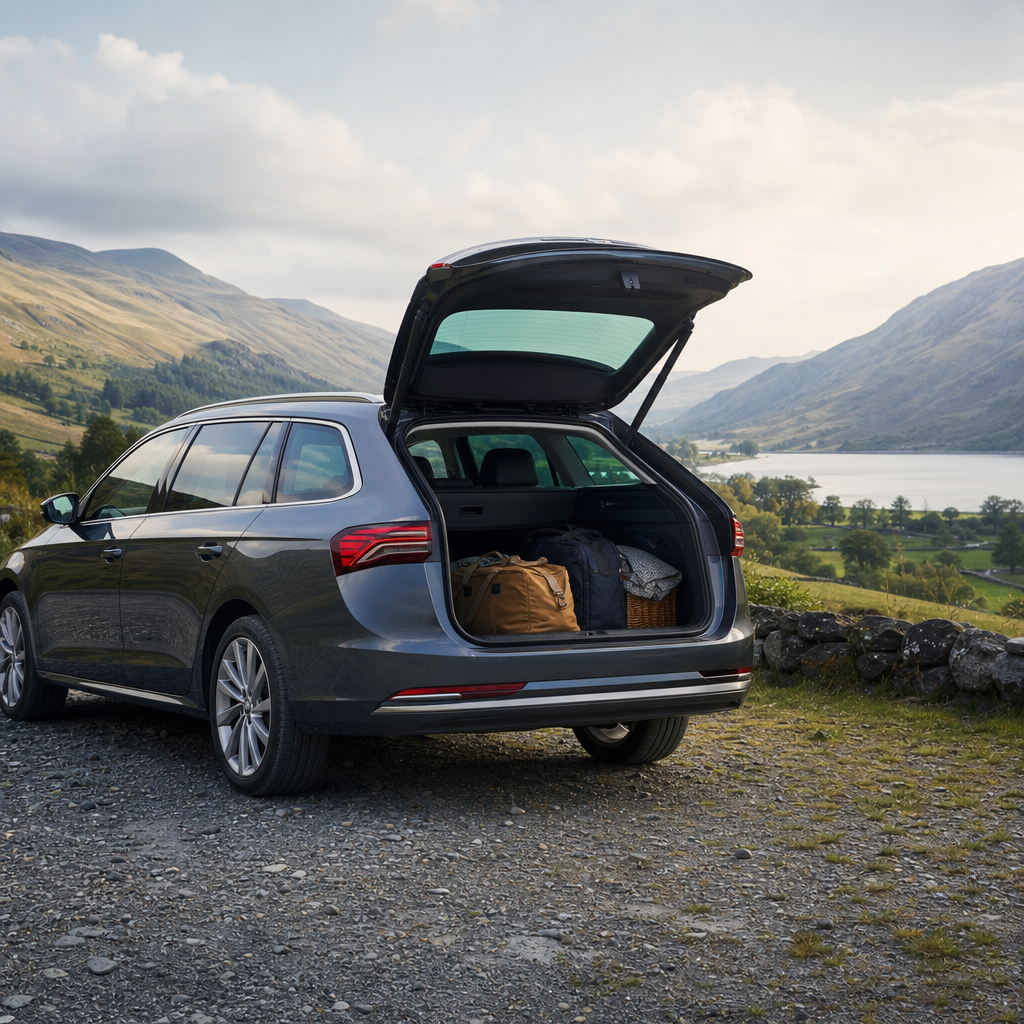
Firstly, boot access is usually superior in an estate. With a lower loading sill, lifting heavy prams, weekly shopping, or even wrangling a fidgety dog into the back is significantly easier than hoisting them over the higher lip of many SUVs. The actual boot shape in an estate is typically longer and squarer, making it far more accommodating for items like flat-pack furniture, lengthy sports equipment (think skis or surfboards), or even a large dog crate. While an SUV might have a deeper boot, its compromised width or sloped tailgate can limit its ultimate utility for bulky items.
Secondly, estates generally offer better driving dynamics. With a lower centre of gravity, they handle more like a traditional hatchback or saloon. This translates to less body roll in corners, a more engaging driving experience, and often greater stability at motorway speeds. For example, a Ford Focus Estate will typically feel more nimble and responsive than a Kuga, and a Skoda Octavia Estate will corner with more precision than a Karoq, offering a more comfortable ride for passengers as well.
Finally, thanks to their more aerodynamic profiles and often lighter construction, estate cars frequently deliver better fuel economy and lower CO2 emissions than equivalent-sized SUVs. This can lead to noticeable savings at the pumps and potentially lower road tax – a significant consideration for any budget-conscious UK family.
Key Features to Prioritise in a Used Estate
When browsing the extensive selection of used estates on CarsLink.ai, knowing what features to prioritise can make all the difference to your family's daily routine.
Boot Space and Shape: Don't just look at the litres. A wide, flat load floor is crucial, especially when the rear seats are folded down. Look for estates where the load lip is flush with the boot floor, allowing items to slide in easily. Underfloor storage compartments are a bonus for keeping valuables out of sight or stowing muddy boots. Examples like the Skoda Octavia Estate excel here with their cavernous, practically shaped boots.
Flexible Interiors: A 60/40 split-folding rear seat is standard, but a 40/20/40 split offers even greater versatility, allowing you to carry long items while still accommodating two rear passengers. Look for easy-fold mechanisms – some estates allow you to drop the seats with a simple lever from the boot. Check for ample ISOFIX child seat points (typically two in the rear, sometimes one in the front passenger seat) and easily accessible top tether points.
Roof Rail Compatibility: For families who frequently embark on adventures or need extra storage for holidays, roof rails are invaluable. They allow you to fit roof bars for carrying bikes, kayaks, or a roof box. Check if the estate you're considering comes with integrated roof rails or if they can be easily fitted aftermarket.
Safety Ratings: Always prioritise safety. Look for cars with a strong Euro NCAP rating (preferably 4 or 5 stars) from their model year. Beyond the stars, investigate specific safety features like Autonomous Emergency Braking (AEB), lane-keeping assist, and multiple airbags. Modern estates, even a few years old, often come equipped with impressive active and passive safety technologies.
Comfort & Convenience: Features like air conditioning, a user-friendly infotainment system (with Apple CarPlay/Android Auto if possible), cruise control, and parking sensors or a reversing camera can significantly enhance the driving and passenger experience, especially on longer journeys or during busy school runs.
Top Reliable Used Estate Models for the UK Market
The UK market offers a fantastic array of reliable used estates, catering to various budgets and needs. Here are some consistent performers:
- Skoda Octavia Estate: Often hailed as the ultimate family estate for its blend of practicality, solid build quality (thanks to its VW Group underpinnings), and exceptional value for money. Boot space is class-leading, and engines are efficient.
- Ford Focus Estate: A fantastic all-rounder. Renowned for its engaging driving dynamics, comfortable ride, and decent boot space. EcoBoost petrol engines are popular, but the TDCi diesels are great for mileage.
- Vauxhall Astra Sports Tourer: A strong competitor to the Focus, offering similar practicality, comfortable interiors, and often sharper pricing on the used market. Its modern engines are efficient.
- Volvo V60/V90: For those seeking a more premium feel, Volvo estates are synonymous with safety, comfort, and elegant design. The V60 offers excellent practicality in a compact package, while the V90 boasts a truly cavernous boot and sublime long-distance comfort.
- Volkswagen Golf Estate: The Golf's refined nature and quality shine through in its estate form. It offers a comfortable, mature driving experience with a practical boot and a range of efficient TSI petrol and TDI diesel engines.
- BMW 3 Series Touring/5 Series Touring: If you value driving pleasure alongside practicality, BMW's estates are hard to beat. The 3 Series Touring offers a sporty drive with good space, while the 5 Series Touring provides executive comfort and impressive boot capacity, especially the G31 generation.
- Mercedes-Benz C-Class Estate/E-Class Estate: Similar to BMW, Mercedes offers luxurious and comfortable estate options. The C-Class Estate is a refined family carrier, while the E-Class Estate is legendary for its vast cargo capacity and supreme comfort, particularly popular with families who value premium appointments.
- Toyota Corolla Touring Sports: A compelling choice for those prioritising reliability and low running costs. The hybrid powertrain is particularly efficient for urban driving, and Toyota's reputation for dependability is second to none.
Running Costs: Fuel Economy, Insurance & Road Tax
One of the significant advantages of opting for a used estate car is the potential for lower running costs compared to a similarly sized SUV.
Fuel Economy: Estate cars, being more aerodynamic and often lighter, tend to be more frugal.
- Diesels: For high-mileage drivers, modern diesel engines (e.g., 1.6 or 2.0 TDI in VW Group cars, Ford's TDCi units) offer excellent economy, often exceeding 50-60 mpg on longer journeys.
- Petrol: For lower mileage or urban driving, smaller turbocharged petrol engines (e.g., Ford's EcoBoost, VW Group's TSI units, Vauxhall's Ecotec) offer a good balance of performance and efficiency, typically around 40-50 mpg.
- Hybrids: Models like the Toyota Corolla Touring Sports Hybrid offer exceptional urban efficiency, often achieving over 60 mpg in stop-start traffic, making them ideal for school runs and city driving.
Insurance Groups: Generally, estate cars fall into slightly lower insurance groups than their SUV equivalents due to their lower average repair costs and accident rates. A Ford Focus Estate might sit in groups 10-15, while a BMW 3 Series Touring could be in groups 20-30, depending on the engine and trim level. Always get an insurance quote before committing to a purchase.
Road Tax (VED): This is a critical consideration for UK used buyers and depends heavily on the car's registration date.
- Cars Registered Before 1 April 2017: Road tax is based on CO2 emissions. Many efficient diesel and smaller petrol estates can have very low annual rates, sometimes even zero for the lowest emitters.
- Cars Registered On or After 1 April 2017: Most cars pay a flat annual rate (currently £180). However, if the car had a list price of over £40,000 when new, an additional 'premium rate' supplement (currently £390) is applied for five years from the second time it's taxed. This is crucial for premium estates like well-spec'd BMWs, Volvos, or Mercedes, as this supplement can add up significantly over five years. Always check the original list price if buying a post-2017 premium model.
Conclusion
Estate cars are, without a doubt, the unsung heroes of family motoring in the UK. They offer a winning combination of genuine practicality, engaging driving dynamics, and often superior value and running costs compared to the more fashionable SUV. From the cavernous boot of a Skoda Octavia to the refined comfort of a Volvo V60, there's a reliable, versatile estate car out there to suit every family's needs and budget.
So, before you automatically gravitate towards an SUV, take a moment to consider the myriad benefits of an estate. You might just find that this sensible, sophisticated workhorse is the perfect fit for your family. Head over to CarsLink.ai today to browse our extensive selection of quality used estate cars – your next family adventure awaits!