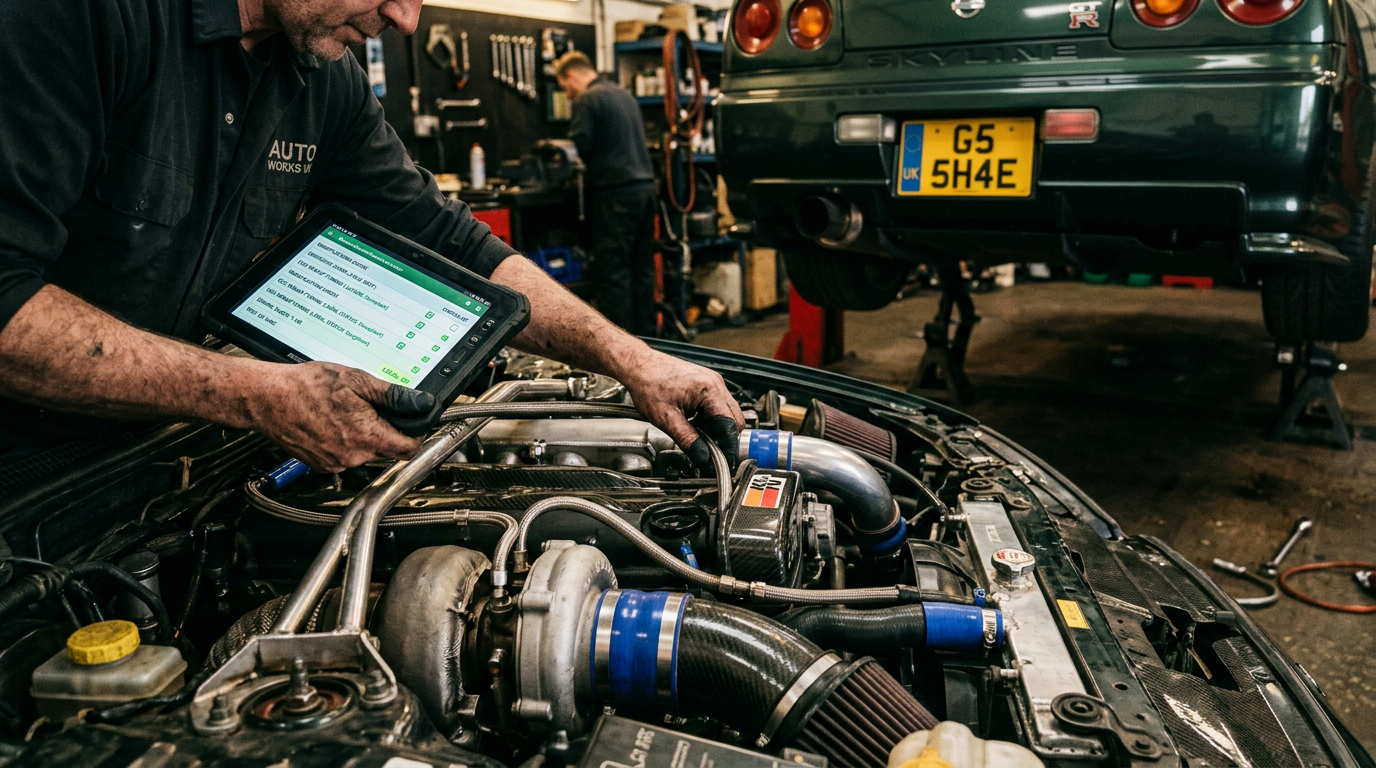
The United Kingdom has one of the most vibrant car modification scenes in the world. From remapping an ECU for better performance to fitting aftermarket suspension for a sharper ride, the desire to personalise a vehicle is strong. However, when you buy a used car, those modifications—whether performed by you or the previous owner—can create a legal grey area regarding your protections under the Consumer Rights Act 2015 (CRA 2015).
If your "new-to-you" car develops a fault, does that expensive exhaust system or lowered springs invalidate your right to a refund or repair? In this guide, we break down how modifications interact with UK consumer law as of 2026.
Key Takeaways
- The Burden of Proof: Within the first six months, the dealer must prove a fault wasn't present at the time of sale.
- Causation is Key: Modifications only "void" rights if they directly caused the fault in question.
- Transparency: Dealers must disclose known modifications under the Consumer Protection from Unfair Trading Regulations 2008.
- Section 75 Protection: Using a credit card or PCP finance provides additional layers of protection via the Consumer Credit Act 1974.
Your Rights as a Buyer: The Consumer Rights Act 2015
When you purchase a used car from a professional trader (not a private seller), the Consumer Rights Act 2015 dictates that the vehicle must meet three primary criteria:
- Satisfactory Quality: The car should be in a condition that a reasonable person would expect, considering its age, mileage, and price.
- Fit for Purpose: If you told the dealer you needed the car for a specific task (e.g., towing a heavy caravan), it must be able to do so.
- As Described: The vehicle must match the description provided by the dealer at the point of sale.
The "Short-Term Right to Reject"
Under the CRA 2015, if a fault appears within the first 30 days of ownership, you have the right to a full refund. Beyond 30 days, but within the first six months, the law assumes the fault was present at the time of delivery unless the trader can prove otherwise.
Does Modifying Void These Rights?
The short answer is: No, not automatically.
UK law does not permit a blanket "voiding" of your statutory rights simply because a car has been modified. However, a modification can complicate a claim. If you modified the car after purchase, the dealer can argue that your alteration caused the mechanical failure. For example, if you installed a Stage 2 ECU remap and the turbocharger fails a week later, the dealer will likely successfully argue that the increased boost pressure caused the failure, rather than an inherent defect.
Dealer and Trader Obligations
Under UK law, the responsibility isn't just on the buyer. Dealers have strict legal mandates regarding the sale of modified vehicles.
Disclosure and the CPRs 2008
The Consumer Protection from Unfair Trading Regulations 2008 (CPRs) prohibit traders from omitting "material information" that might influence a consumer's decision. If a dealer sells a car with a hidden modification (like a removed DPF or a hidden tuning box) and fails to disclose it, they are in breach of these regulations. This could even lead to criminal prosecution for the trader and gives the buyer the right to "unwind" the contract.
The Road Traffic Act 1988
Dealers are legally forbidden from selling a car that is unroadworthy under the Road Traffic Act 1988. If a modification makes a car illegal—such as excessively tinted front windows or an exhaust that exceeds noise limits—the dealer has breached their primary obligation to sell a road-legal vehicle.
Managing Warranties vs. Statutory Rights
It is vital to distinguish between a Manufacturer/Dealer Warranty and your Statutory Rights.
- Warranty: This is a private contract. If you modify the car, the warranty provider can (and usually will) cancel the policy according to their terms.
- Statutory Rights (CRA 2015): These are enshrined in law and cannot be signed away. Even if your warranty is voided due to an aftermarket air filter, you still have your CRA 2015 rights if the gearbox fails (provided the filter didn't cause the gearbox issue).
Modification Conflict: Who Pays?
The central battle in a legal dispute over a modified used car is causation.
If you bought a car and discovered the previous owner had fitted aftermarket alloy wheels, and three months later the engine's head gasket blows, the modification is irrelevant. The wheels did not cause the engine failure. Under the CRA 2015, the dealer is still liable to repair or replace the engine because the fault is deemed to have been present at the time of sale.
However, if you fitted "lowering springs" yourself and a month later the suspension struts are leaking, the dealer can rightfully refuse a free repair. They will argue that the non-standard springs placed undue stress on the dampers beyond the manufacturer's specifications.
Financing a Modified Vehicle
If you bought your used car on PCP or Hire Purchase (HP), the finance company is the legal owner of the vehicle until the final payment.
Section 75 of the Consumer Credit Act 1974
If the car was between £100 and £30,000 and you paid even a penny of the deposit by credit card, the card provider is "jointly and severally liable" for any breach of contract or misrepresentation.
Warning: Most finance agreements (regulated by the Financial Services and Markets Act 2000) strictly forbid any modifications without written consent from the lender. Modifying a financed car without permission can result in the lender demanding the immediate full repayment of the loan, regardless of whether the car is faulty or not.
Checklist: Protecting Your Rights
- The Pre-Purchase Inspection: Always ask specifically: "Are there any non-standard modifications on this vehicle?" Ensure their answer is recorded or followed up via email.
- Document Everything: If you plan to modify, keep the original parts. If a fault develops elsewhere, returning the car to stock condition can sometimes simplify the conversation with the dealer (though legally, you should be transparent).
- The "Independent Report": If a dealer claims a mod caused a fault and you disagree, hire an independent engineer (DEKRA or similar) to provide a report. Under the CRA 2015, if the report proves the fault was inherent and not caused by your mod, the dealer must also reimburse the cost of the report.
Summary
Modifying your used car does not "void" the Consumer Rights Act 2015, but it does give the dealer a potential "out." To protect your legal standing, ensure all modifications are declared to your insurer and, where applicable, your finance company. If a dispute arises, remember that the burden of proof lies with the dealer for the first six months—they must prove your modification caused the failure to escape their obligation to help.
Disclaimer: This article is for informational purposes only and does not constitute legal advice. Laws regarding consumer rights and vehicle safety can change. If you are in a legal dispute, consult with a qualified solicitor or contact Citizens Advice Bureau.