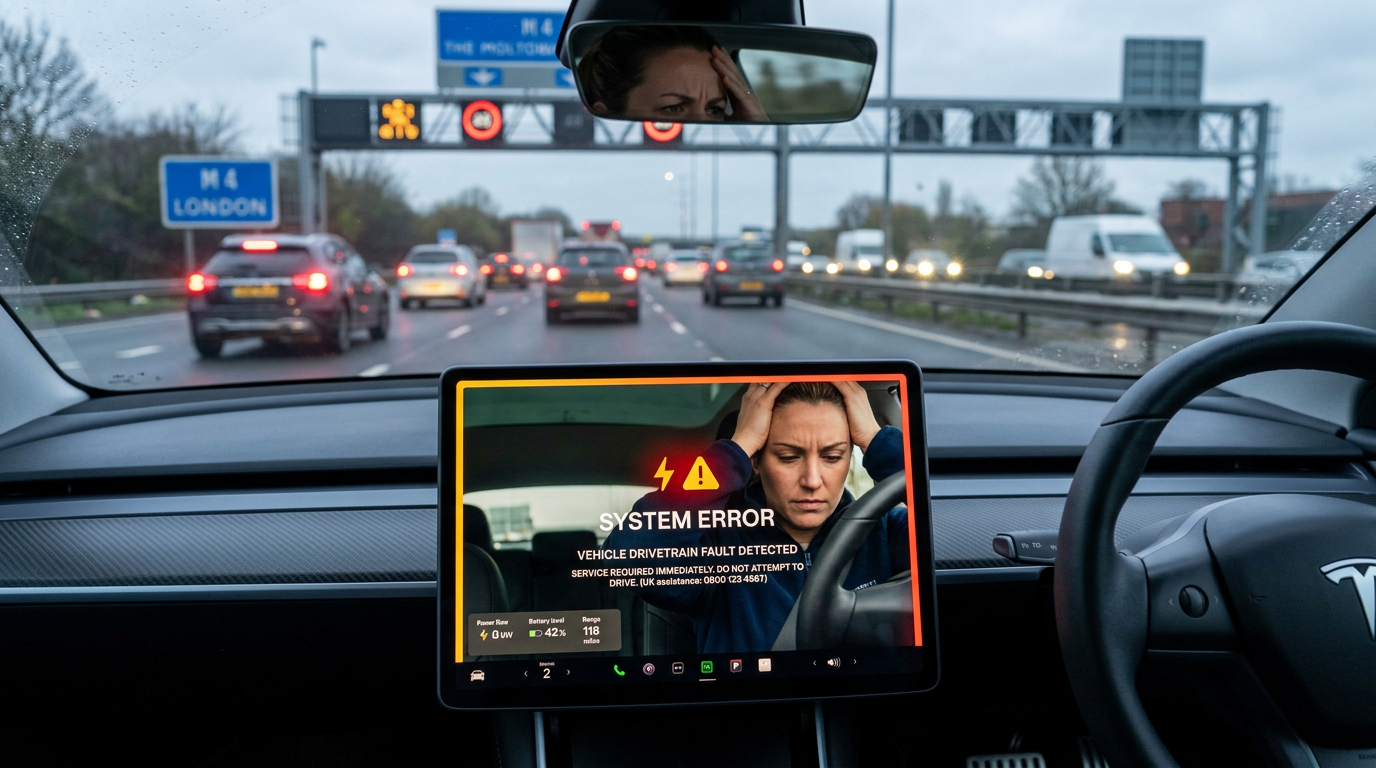
As we move further into 2026, the definition of a "reliable car" has fundamentally shifted. A decade ago, a vehicle was judged primarily on its engine and transmission. Today, a modern vehicle is essentially a high-performance computer on wheels. With over 95% of new cars sold in the UK now featuring integrated connectivity, "glitches" are no longer just minor annoyances—they are significant mechanical failures.
Whether it is a semi-autonomous driving feature failing, an Over-the-Air (OTA) update "bricking" your infotainment system, or a subscription-based heated seat failing to activate, the law is clear. In the UK, digital systems are treated with the same legal weight as a head gasket or a brake disc.
This guide explores your protections under the Consumer Rights Act 2015 (CRA 2015) and how they apply to the increasingly complex world of connected car digital faults.
Buyer Rights: Your Protection Against Digital Defects
When you purchase a car from a professional trader, the law provides you with an implied set of "statutory rights." Under the Consumer Rights Act 2015, any vehicle—including its software—must meet three primary criteria:
- Satisfactory Quality: It must be of a standard a reasonable person would expect, taking into account the price, age, and description. In 2026, this includes the expectation that safety-critical software (like ADAS sensors) functions correctly.
- Fit for Purpose: If you told the dealer you required a specific digital feature (such as remote pre-heating via an app), the car must perform that function.
- As Described: If the car was advertised with "Apple CarPlay" or "Level 2 Autonomy," and these features are broken or missing due to software lockouts, the car does not match its description.
The Digital Content Distinction
The CRA 2015 is unique because it specifically addresses "Digital Content." In a modern car, the software is often "embedded digital content." If the software is faulty, the car is faulty.
Your Timelines for Recourse:
- The Short-Term Right to Reject (First 30 Days): If a digital fault appears within the first 30 days of ownership (e.g., the central screen goes black or the GPS fails), you have a legal right to reject the car and demand a full refund.
- The Repair or Replacement Period (6 Months): If a fault occurs after 30 days but within the first six months, the law assumes the fault was present at the time of delivery. The dealer is entitled to one attempt at a repair (usually a software patch). If the "update" fails to fix the glitch, you can then demand a price reduction or exercise your final right to reject the vehicle.
- Beyond 6 Months: You can still claim for digital faults up to six years after purchase (five in Scotland), but the burden of proof shifts to you to prove the glitch was due to an inherent defect and not "wear and tear" or user interference.
Dealer and Trader Obligations: Managing Software Updates
Car dealers often try to deflect digital complaints by blaming the manufacturer or stating that "software is always buggy." Legally, this is incorrect. Your contract is with the seller, not the manufacturer.
Obligations for "Connected" Features
Under the Consumer Protection from Unfair Trading Regulations 2008 (CPRs), traders must not omit "material information." If a dealer knows that a specific model has a known software glitch that affects its use, they must disclose it.
Regarding software updates:
- Maintenance of Digital Content: If a car is sold with "connected services," the trader (via the manufacturer) has an obligation to ensure the digital content remains functional for a reasonable period.
- The "Bricking" Liability: If a dealer performs a mandatory software update that subsequently breaks another feature of the car, they are liable under the CRA 2015 to restore the car to its previous functional state.
- Subscription Transparency: Dealers must be transparent about which features are permanent and which are time-limited subscriptions. Selling a car as having "Full Self-Driving" without mentioning it requires a £100/month subscription could be considered a "misleading omission" under the CPRs 2008.
The Role of Section 75 and Section 99
If you financed your connected car, you have additional layers of "super-protection" under the Consumer Credit Act 1974.
- Section 75: If you paid even a £100 deposit on a credit card for a car costing between £100 and £30,000, the card provider is "jointly and severally liable" for any breach of contract. This is invaluable if a dealer becomes unresponsive regarding a recurring digital fault.
- Section 99 (Voluntary Termination): In 2026, many EVs and connected cars are on Personal Contract Purchase (PCP) or Hire Purchase (HP) agreements. If a digital glitch makes the car unbearable but doesn't quite meet the threshold for rejection, s.99 allows you to hand the car back once you have paid 50% of the total amount payable, provided you have taken reasonable care of it.
Key Takeaways for Today's Drivers
- Software is Hardware: Legally, a buggy infotainment system is no different from a leaking radiator. Both fall under the CRA 2015.
- The First 30 Days are Crucial: If your "connected" car isn't connecting, don't wait for a "patch" that might never come. Exercise your right to reject early.
- Document Updates: Keep a log of every OTA (Over-the-Air) update your car receives. If the car's range or performance drops immediately after an update, this is vital evidence.
- Dealer Liability: Do not let a dealer tell you to "call the manufacturer software helpdesk." Your legal rights are against the person who took your money—the dealer.
Summary Table: Digital Fault Remedies
| Period Since Purchase | Your Primary Right | Burden of Proof |
|---|---|---|
| 0 - 30 Days | Full Refund (Right to Reject) | On the Consumer |
| 30 Days - 6 Months | Repair or Replacement | On the Dealer |
| 6 Months - 6 Years | Price Reduction / Partial Refund | On the Consumer |
Disclaimer: This article is for informational purposes only and does not constitute legal advice. Laws regarding consumer rights can be complex and are subject to change. If you are involved in a dispute with a motor trader, we recommend seeking professional legal counsel or contacting Citizens Advice.