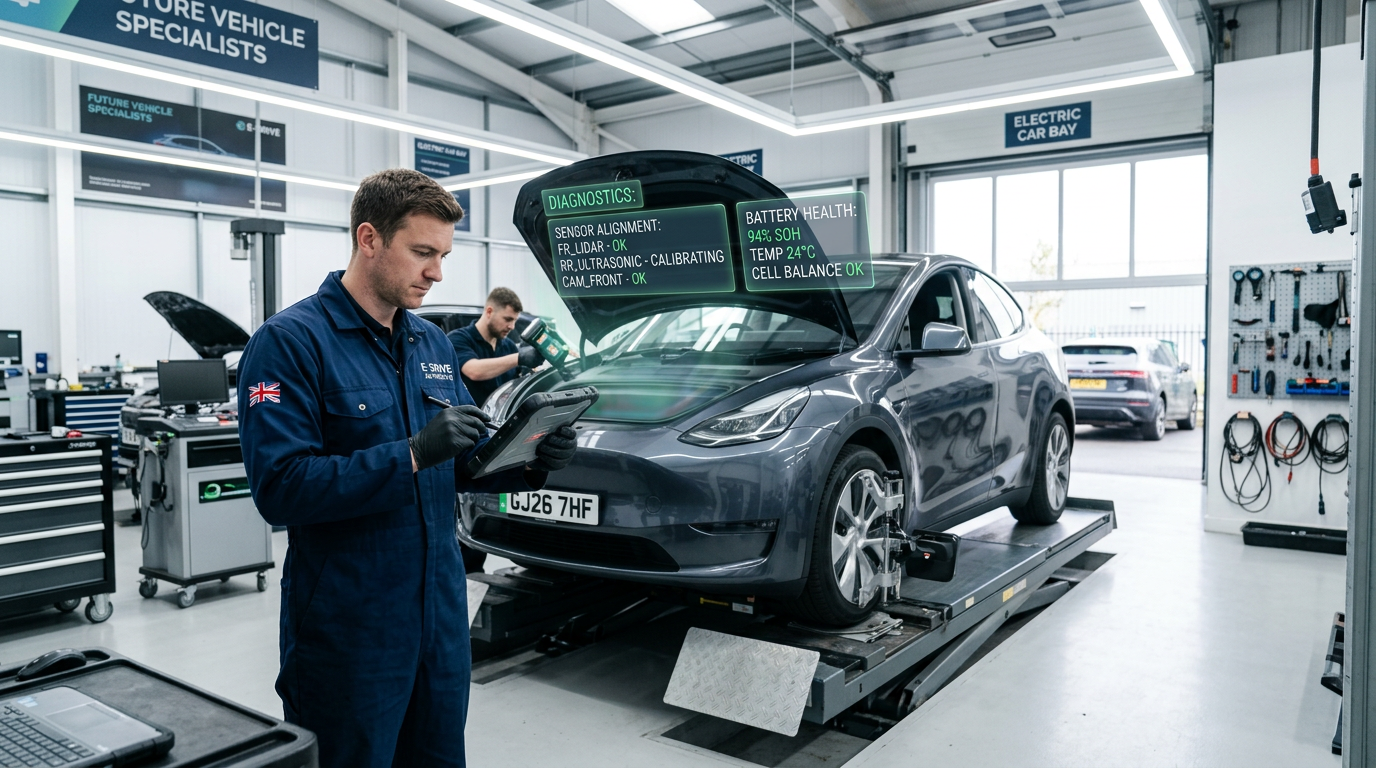
By 2026, the second-hand car market has faced unprecedented pressure. With the average cost of new electric vehicles (EVs) remaining high and supply chain ripples still felt from previous years, many UK buyers are turning to the salvage market. Cat N cars—those written off for non-structural damage—often appear as temptingly priced bargains.
However, as vehicle technology has evolved, the line between 'cosmetic' and 'dangerous' has blurred. If you are browsing marketplaces or local auctions today, understanding the hidden safety risks of Cat N write-offs is no longer just about checking for rust; it’s about understanding complex sensors, high-voltage systems, and the integrity of the MIAFTR (Motor Insurance Anti-Theft and Fraud Register) database.
What is a Cat N Write-Off in 2026?
Under the ABI categories 2026 guidelines, a vehicle is classified as Category N when its insurer decides that the cost of repair exceeds the vehicle's market value, but the damage is non-structural.
Unlike Category S (Structural), a Cat N car has not suffered damage to its chassis or frame. This makes them legally repairable and returnable to the road. On paper, they represent a 20% to 40% discount compared to clean-title equivalents. But in an era of Advanced Driver Assistance Systems (ADAS), the term "non-structural" can be deceptive.
The Evolution of ABI Categories
Since the major overhaul in 2017, the industry has stuck to the four main labels, though 2026 standards have become stricter regarding "Electronic Integrity":
- Cat A: Scrap only (Total destruction).
- Cat B: Break for parts (Chassis must be destroyed).
- Cat S: Structural damage (Repairable but requires professional certification).
- Cat N: Non-structural damage (Repairable, but frequently involves complex electrical faults).
The Hidden Safety Risks of 2026 "Cosmetic" Damage
In 2026, a "minor" bumper scuff is rarely just a scuff. Here are the primary safety risks buyers face when purchasing a repaired Cat N vehicle.
1. ADAS Calibration Failures
Almost every car sold in the UK over the last five years is equipped with Autonomous Emergency Braking (AEB), lane-keep assist, and adaptive cruise control. These systems rely on radar sensors and cameras hidden behind bumpers and windscreens.
In a Cat N event, a low-speed impact might not bend the frame, but it can knock a radar sensor out of alignment by a mere millimetre. If a back-street garage repairs the bumper but fails to perform a static and dynamic ADAS calibration, the car might "ghost brake" on the motorway or fail to detect a pedestrian.
2. Battery Health and EV Seepage
With EVs now dominating the used market, Cat N designations often stem from minor battery casing scratches. While the damage isn't structural to the car, any compromise to the high-voltage battery housing is a fire risk. Many insurers write these off as Cat N simply because they lack the diagnostic tools to guarantee internal cell stability. A poorly repaired Cat N EV could be a ticking time bomb.
3. Airbag Deployment and "Black Market" Resets
One of the most common reasons a car becomes Cat N is the cost of replacing deployed airbags and tensioners. A full set of airbags plus a new dashboard can cost upwards of £4,000. Unscrupulous sellers may bypass these systems using resistors to trick the dashboard light into staying off, leaving you with no protection in a secondary collision.
Comparing Cat N Risks: 2020 vs 2026
| Feature | 2020 Cat N Risk | 2026 Cat N Risk |
|---|---|---|
| Primary Concern | Bodywork/Paint finish | Sensor & LiDAR Calibration |
| Repair Complexity | Mechanical/Panel beaters | Software/Electronics integration |
| Battery Safety | Minimal (mostly ICE cars) | High (EV/Hybrid thermal runaway) |
| Parts Availability | High | Subject to global chip/module shortages |
| Resale Value | -25% | -35% to -50% (due to stricter tech audits) |
The Paperwork Trail: DVLA and V5C Requirements
If you buy a Cat N car, you do not technically need to apply for a new V5C logbook solely because of the category, provided the vehicle was not scrapped. However, the Cat N marker is permanent and will be recorded by the DVLA.
More importantly, it is a legal requirement for a seller to disclose a Cat N status. If you are buying from a private individual, the onus is on you to perform a car provenance check. Failing to do so could mean you end up with a car that is impossible to insure for a reasonable premium.
Insurance and Road Tax
While road tax (VED) remains unaffected by Cat N status, insurance premiums are usually higher. Many mainstream insurers in 2026 refuse to cover write-offs because they cannot verify the quality of the repair. Before committing to a purchase, always get an insurance quote using the VRM (Vehicle Registration Mark).
How to Protect Yourself: The CarsLink.ai Checklist
At CarsLink.ai, we advocate for total transparency in the used car market. If you are considering a Cat N vehicle, follow these essential steps to mitigate risk:
- Conduct a Comprehensive Provenance Check: Ensure the vehicle is listed correctly on the MIAFTR database. If a car has heavy damage but no marker, it may have been "cleaned" through a private sale—a major red flag.
- Request a Detailed Repair Invoice: A reputable seller should show you exactly what was replaced. Were the parts genuine? Was a certified ADAS calibration performed?
- Check the MOT History: Look for the first MOT after the write-off date. Frequent failures on "Electrical Items" or "Brake Performance" suggest a botched repair.
- Professional Inspection: Use a service like the AA or RAC to conduct a pre-purchase inspection. In 2026, ensure they offer a "Diagnostic Scan" to check for hidden fault codes in the ECU.
- Calculate the Depreciation: Remember that while you buy cheap, you must sell cheap. A Cat N car is an "end-of-life" purchase; don't expect to trade it in at a high value later.
The Verdict: Is a Cat N Car Worth It in 2026?
For a budget-conscious buyer who understands the risks, a Cat N car can be a viable way to get behind the wheel of a newer model. However, the complexity of modern vehicle safety systems means that "non-structural" no longer means "simple."
The risk of a sensor failing or a bypassed safety system is a heavy price to pay for a cheaper monthly payment. Always prioritise a car provenance check and never take a seller's word for the extent of the damage.
For more advice on navigating the 2026 used car market and finding verified, high-quality vehicles, visit CarsLink.ai—your trusted partner in automotive intelligence.
Found this guide helpful? Check out our latest breakdown of [PCP vs HP in 2026] or our guide to [Navigating the ULEZ Expansion].