As we navigate 2026, the UK used car market is more complex than ever. With the rise of sophisticated EV drivetrains and the increasing reliance on ADAS (Advanced Driver Assistance Systems), vehicle integrity has never been more critical. However, despite stringent regulations, "zombie cars"—vehicles that should have been crushed—occasionally haunt the classifieds.
Understanding the ABI (Association of British Insurers) Salvage Code is the single most important skill for any savvy buyer or dealer. While Category S (Structural) and Category N (Non-structural) vehicles can be legally repaired and returned to the road, Category A and Category B write-offs represent a legal and safety "no-go" zone.
In this guide, we explore why these classifications exist, how the MIAFTR database protects you, and why buying a "repaired" Cat A or B car is not just a bad investment, but a criminal danger.
What is a Category A Write-off?
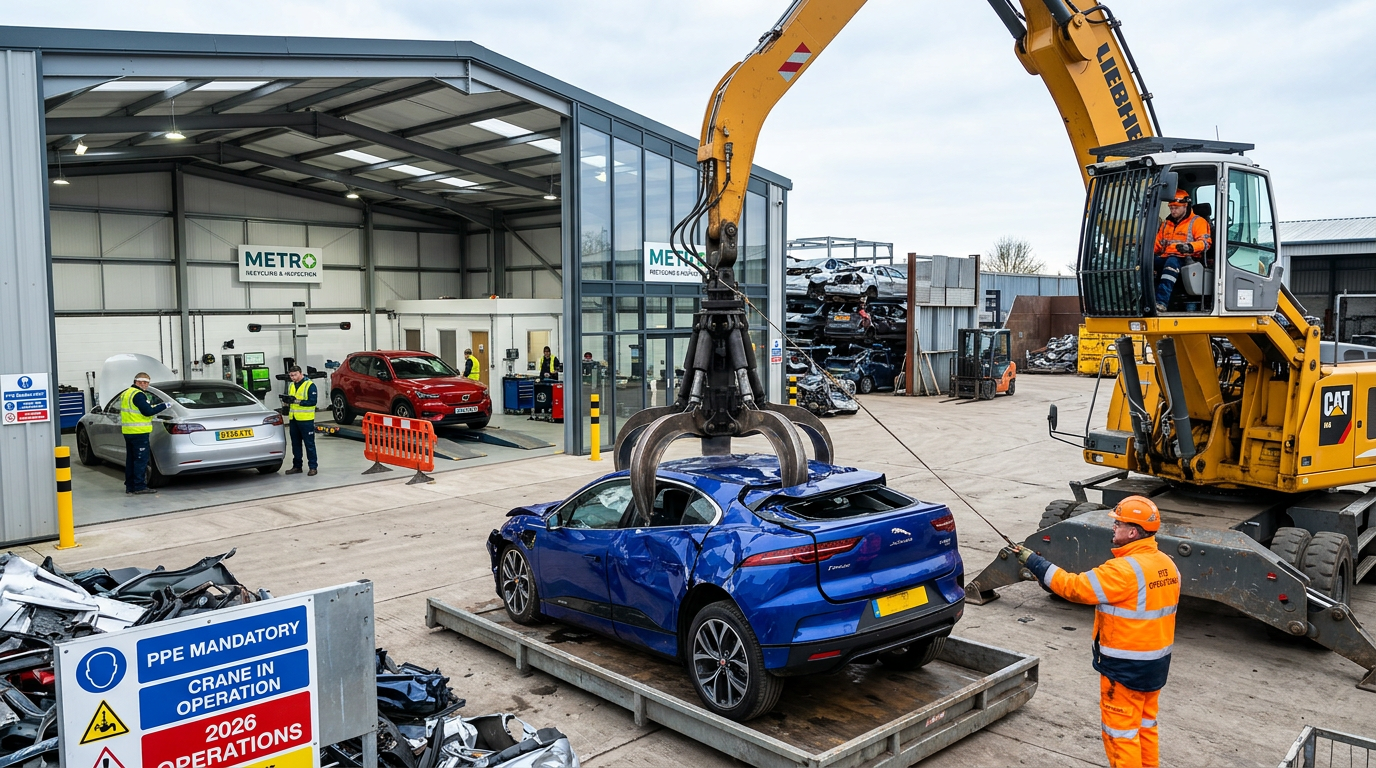
A Category A write-off is the most severe classification a vehicle can receive. Under the ABI Salvage Code, a Cat A car is deemed to have no salvageable value whatsoever. This typically occurs following high-speed collisions, total incinerations (common in some lithium-ion battery thermal runaway incidents), or severe flood damage where the car has been fully submerged in contaminated water.
The Golden Rule: A Category A vehicle must be scrapped in its entirety. Not even a door handle or a wing mirror can be salvaged. The shell must be crushed in the presence of a certified vehicle recycler.
What is a Category B Write-off?
A Category B write-off signifies extensive structural or technical damage. While the chassis or shell is deemed "end-of-life" and must be destroyed, certain scrapped car parts can be safely salvaged and sold on.
For example, a Cat B vehicle may have suffered a heavy rear-end collision that warped the chassis beyond safe repair, but the engine, gearbox, and interior components remain intact. Once the "bones" of the car are crushed and the V5C logbook is surrendered to the DVLA, these parts can enter the secondary market.
Crucially: The frame or shell of a Cat B car must never return to the UK road network.
The 2026 Resale Danger: Why These Cars Should Never Appear
In the modern market, you might see "bargains" on social media marketplaces that look too good to be true. Here is why a Cat A or B car is a lethal liability in 2026:
1. The "Cut and Shut" Evolution
In decades past, unscrupulous "back-street" garages would weld two halves of different cars together. In 2026, the danger is digital. A Cat B shell that has been "repaired" may look perfect, but its structural integrity is compromised. In a secondary accident, the metal will not crumple as designed, and airbags may fail to deploy because the sensors were improperly integrated into a salvaged loom.
2. Insurance and the MIAFTR Database
Every car written off by an insurer is recorded on the MIAFTR (Motor Insurance Anti-Theft and Fraud Recovery) database. If you attempt to insure a vehicle that has been flagged as Cat A or B, no reputable UK insurer will provide cover. If you manage to get a policy by withholding information, it will be voided the moment you make a claim, leaving you personally liable for damages.
3. The DVLA and the V5C
When a vehicle is categorized as A or B, the insurer notifies the DVLA, and the vehicle’s record is updated to "Scrapped" or "Unfit for use." It is near-impossible to legally tax a Cat A or B car. If a seller tells you they have "lost the V5C" or it's "waiting for a replacement," run away. They are likely trying to offload a vehicle that the DVLA has officially marked for destruction.
Comparing Salvage Categories in 2026
| Category | Description | Can it be Resold? | Notes |
|---|---|---|---|
| Cat A | Total scrap | NO | Must be crushed entirely. |
| Cat B | Structural scrap | NO | Shell must be crushed; parts can be reused. |
| Cat S | Structural damage | YES | Can be repaired and re-registered. |
| Cat N | Non-structural damage | YES | Usually cosmetic or electrical issues. |
Digital Fraud and "Cloning"
With the UK's 2026 emphasis on ULEZ compliance and road tax efficiency, some fraudsters use the identity (VIN and plates) of a legitimate car to mask a Cat A or B "zombie" car. This is why a comprehensive HPI or history check via CarsLink.ai is vital.
When you use CarsLink.ai, you aren't just checking the mileage; you are cross-referencing the MIAFTR database to ensure the car hasn't been earmarked for a car crusher in a previous life.
The Role of the Professional Dealer
For dealers, the 2026 landscape is one of high transparency. Selling a Cat A or B vehicle—even unknowingly—can lead to prosecution under the Consumer Protection from Unfair Trading Regulations.
Reputable salvage yards must provide proof of destruction for the shell of any Cat B vehicle. If you are sourcing scrapped car parts, always ensure they come from a licensed ATF (Authorised Treatment Facility) to ensure they wasn't stripped from a Cat A wreck where the parts were potentially compromised by heat or chemical damage.
How to Protect Yourself in 2026
- Trust Your Instincts: If a 2024 BMW i5 is being sold for £8,000, it is either a scam or a resurrected Category A/B wreck.
- Verify the VIN: Check the Vehicle Identification Number on the dashboard, door pillar, and under the bonnet. Ensure they match the V5C.
- Run a Full History Check: Never rely on a seller's word. A professional check will flag any insurance total loss records hidden in the MIAFTR database.
- Inspect the "Bones": Look for uneven welding or mismatched paint in the boot floor or engine bay—classic signs of a "zombie" Cat B repair.
Summary
The ABI Salvage Code exists for a reason: your safety. A Category A or B write-off is a vehicle that has reached the end of its life. Attempting to put these cars back on the road is a risk to the driver, passengers, and other road users.
Whether you are a buyer looking for a reliable EV or a dealer maintaining a high-quality forecourt, tools like CarsLink.ai provide the transparency needed to filter out the scrap and focus on quality, road-legal vehicles.
Looking for a used car you can trust? Use CarsLink.ai to research vehicle histories, compare dealer stock, and ensure your next purchase isn't a hidden write-off. Stay safe on the road with data you can depend on.