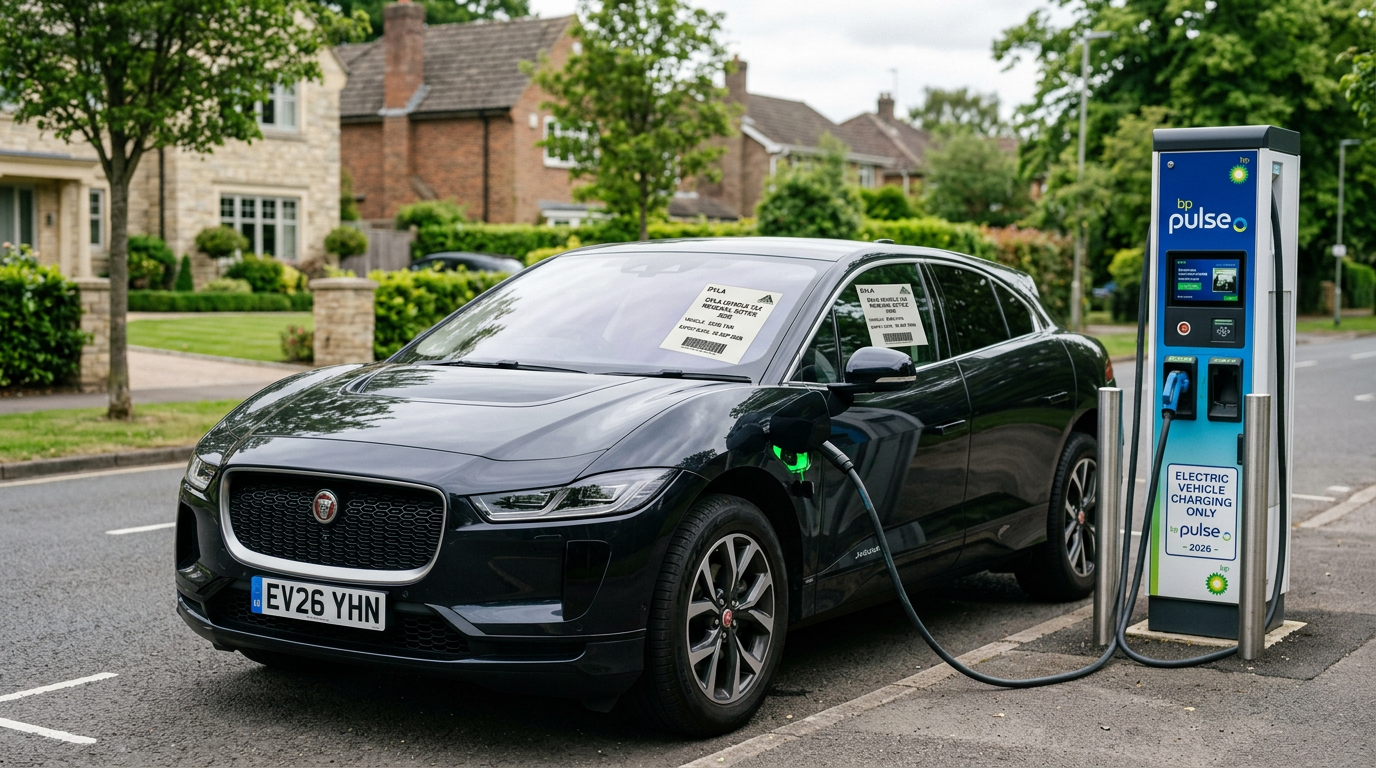
The era of the 'free ride' for electric vehicle (EV) owners has officially come to an end. As we move through May 2026, many British motorists are receiving their first DVLA car tax renewal notices that look significantly different from previous years.
If you bought an EV thinking you’d never pay Vehicle Excise Duty (VED), you may be in for a shock. Following the transition period that began in April 2025, virtually all pure electric vehicles registered since 2017 are now subject to annual taxation. Here is everything you need to know about navigating the Car Tax 2026 landscape and why your "free" EV might now cost you more than £600 per year.
Why the Change? The 2026 VED Landscape
The UK government’s decision to equalise road tax across all fuel types was driven by a simple fiscal reality: as the nation shifts toward Net Zero, the multi-billion pound "black hole" left by disappearing petrol and diesel tax revenues needed to be filled.
As of the 2026/27 tax year, the DVLA has fully integrated zero-emission vehicles into the standard charging structure. This ensures that all road users contribute to the maintenance of the UK’s highway infrastructure.
Breaking Down the Costs: What You Will Pay in 2026
The amount you pay depends heavily on when your vehicle was registered and, crucially, its original list price.
1. The Standard Rate
For the 2026/27 tax year, the standard annual rate for EVs has been aligned with the flat rate for petrol and diesel cars.
- Annual Cost: £190 (subject to potential RPI adjustments later in the year).
- Applicable to: All zero-emission cars registered on or after 1 April 2017.
2. The 'Expensive Car Supplement' (The Luxury Tax)
This is where many EV owners are feeling the pinch. Under the current rules, cars with a "list price" of over £40,000 at the time of first registration must pay an additional supplement for five years, starting from the second time the vehicle is taxed.
In 2026, this supplement adds a hefty £410 to your bill. Because many EVs—even family SUVs like the Tesla Model Y, Kia EV6, or Ford Mustang Mach-E—frequently exceed that £40k threshold, owners are looking at a total annual bill of £600.
| Vehicle Category | Standard Rate (2026) | Luxury Supplement | Total Annual Cost |
|---|---|---|---|
| EV under £40k | £190 | £0 | £190 |
| EV over £40k | £190 | £410 | £600 |
| Pre-2017 EVs | £20 (Nominal) | £0 | £20 |
The "List Price" Trap: A Warning for Used Car Buyers
If you are browsing the latest listings on CarsLink.ai for a used EV, pay close attention to the original list price. The £40,000 threshold applies to the car’s price when new, including optional extras, not what you are paying for it as a second-hand buyer.
Even if you buy a five-year-old Audi e-tron for £25,000 today, if its original sticker price was £65,000, you are still liable for that £410 supplement until the car is over six years old. Always check the V5C logbook or use a DVLA enquiry service to verify the tax status before committing to a purchase.
First-Year Rates for New 2026 EVs
If you are buying a brand-new EV in 2026, the "First Year Rate" (often called the 'showroom tax') remains lower than that of combustion engines to encourage adoption. However, it is no longer £0. Most new EVs now carry a nominal first-year charge of roughly £10, after which they move to the standard £190 rate (plus the luxury supplement if applicable) from the second year onwards.
How to Pay Your 2026 Car Tax
The DVLA has streamlined the process, but the penalties for forgetting remain high.
- Direct Debit: This remains the most popular method. You can spread the cost monthly, though this often incurs a 5% surcharge compared to paying annually.
- Online Portal: Use your V5C reference number or the 16-digit code on your V11 reminder letter.
- Post Office: Still an option for those who prefer to pay in person with their documents.
Note: Even if your vehicle falls into a category that currently pays £0 (such as certain historic vehicles or disability-exempt cars), you must still "tax" the vehicle online every year. Failure to do so can lead to automatic fines or wheel clamping.
Is an EV Still Cost-Effective in 2026?
With the loss of free road tax and the rising costs of public charging, some drivers are questioning the transition. However, the expert view at CarsLink.ai remains that EVs offer significant long-term value:
- Fuel Savings: Despite electricity price fluctuations, charging at home on an off-peak tariff remains significantly cheaper than BP or Shell forecourt prices.
- Maintenance: Fewer moving parts mean lower servicing costs and no MOT failures related to exhaust emissions.
- ULEZ and Clean Air Zones: EVs remain 100% exempt from the London ULEZ and similar low-emission zones popping up in cities like Manchester, Birmingham, and Bristol, which can save daily commuters thousands of pounds a year.
Summary: A New Era of Motoring
The 2026 Vehicle Excise Duty changes mark the maturity of the EV market. No longer a niche product for early adopters, electric cars are now the mainstream, and their taxation reflects that. While paying £190 to £600 a year for "road tax" is a bitter pill for those used to paying nothing, it is a necessary step in the UK’s transition to a fully electrified fleet.
Whether you are looking to sell your current petrol car or upgrade to a premium electric SUV, stay ahead of the curve. Visit CarsLink.ai to check the latest valuations and find tax-efficient vehicles that fit your budget.
Ready to find your next car? Browse thousands of verified listings and get expert advice on the latest UK automotive trends at CarsLink.ai.