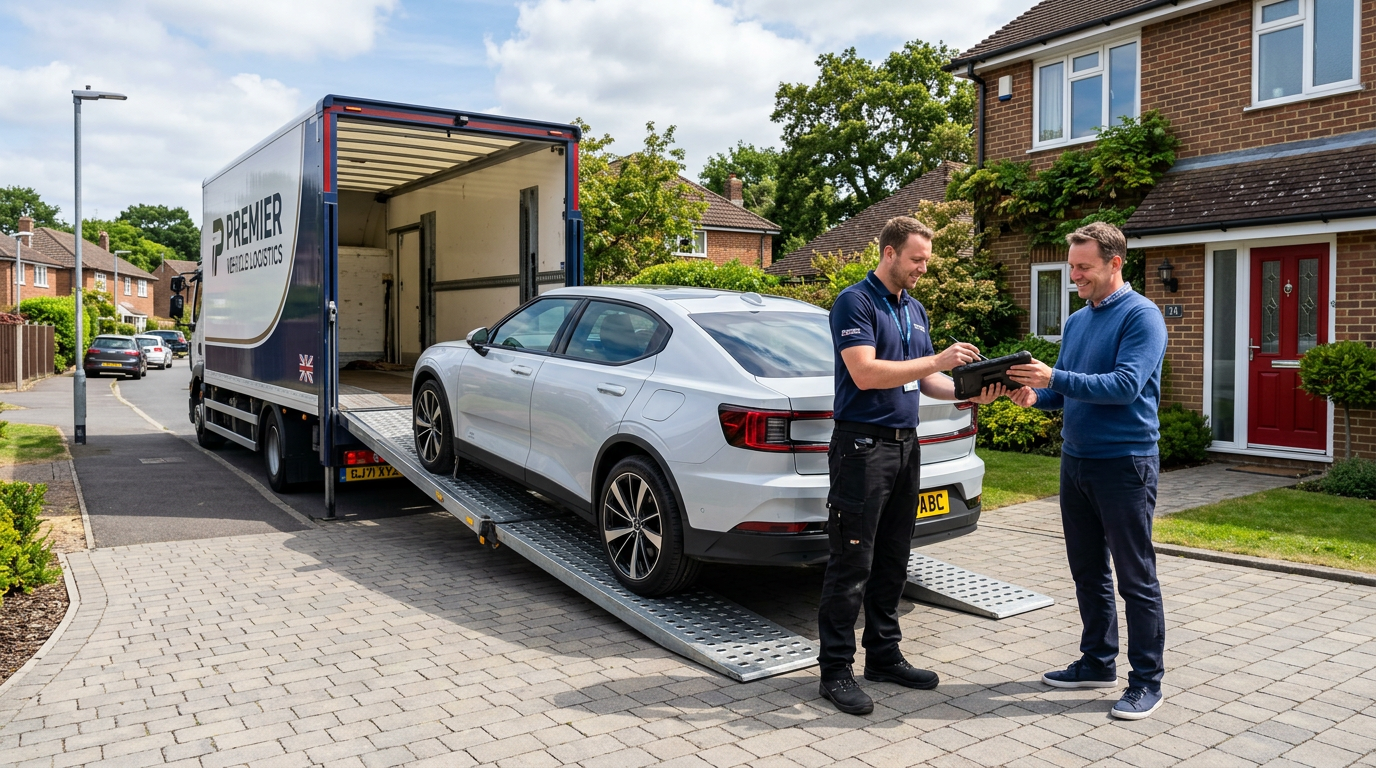
Since the shift towards online car buying accelerated in the early 2020s, "home delivery" has become the standard for thousands of UK motorists. However, buying a vehicle sight-unseen and having it dropped at your door involves more than just convenience—it involves a specific framework of legal protections designed to level the playing field between you and the dealership.
In 2026, the primary shield for the British consumer remains the Consumer Rights Act 2015 (CRA 2015), bolstered by the Consumer Contracts (Information, Cancellation and Additional Charges) Regulations 2013. If you are awaiting a home drop, understanding these statutes is the difference between being stuck with a "lemon" and getting a full refund.
Buyer Rights: The "Distance Selling" Advantage
When you buy a car online or over the phone without visiting the dealership premises, you are engaging in a "distance contract." This grants you significantly more power than a traditional showroom purchase.
1. The 14-Day "No Questions Asked" Return Right
Under the Consumer Contracts Regulations 2013, you have a statutory right to cancel your order from the moment you place it until 14 days after the vehicle is delivered. You do not need to prove the car is faulty; you can simply change your mind.
- Note: The dealer must inform you of this right. If they fail to provide this information in writing, your right to cancel can be extended by up to 12 months.
2. The Right to Inspect and Test
Under CRA 2015, a vehicle must be "as described." When the car arrives on your driveway, you have the right to inspect it before signing the delivery note. If the car does not match the online advert—perhaps the mileage is higher, the interior colour is different, or features like heated seats are missing—you have the right to reject it on the spot.
3. The 30-Day Absolute Right to Reject
If a fault develops or is discovered within the first 30 days of delivery, the Consumer Rights Act 2015 gives you the "Short-term Right to Reject." If the car is not of satisfactory quality, fit for purpose, or as described, you are entitled to a full refund. Unlike later periods, the dealer cannot force you to accept a repair during these first 30 days.
4. Financial Protection: Section 75 and Section 99
If you paid even a partial deposit (between £100 and £30,000) using a credit card, you are protected by Section 75 of the Consumer Credit Act 1974. This makes the credit provider equally liable with the dealer if things go wrong.
Furthermore, if you are using a Hire Purchase (HP) or Personal Contract Purchase (PCP) agreement, you have rights under Section 99 (Voluntary Termination) and can often involve the finance company to resolve disputes regarding the vehicle's condition upon delivery.
Dealer and Trader Obligations
When a dealer offers home delivery, they take on a specific set of legal responsibilities that cannot be "contracted out" of.
1. Responsibility for Risk and Damage
Under the CRA 2015, the risk remains with the trader until the goods come into the physical possession of the consumer. This means if the car is damaged by the delivery driver or during transit on a trailer, it is legally the dealer’s responsibility to rectify it or take the car back. You should never be forced to claim on your own insurance for damage sustained before you took possession.
2. Transparency under CPRs 2008
The Consumer Protection from Unfair Trading Regulations 2008 (CPRs) prohibit "misleading omissions." A dealer must disclose any known mechanical issues or structural history. For home drops, where the buyer cannot see the car in person, the burden of transparency is even higher. Hiding a fault that would have caused the buyer to decline the sale is a criminal offence under these regulations.
3. Delivery Timeframes
Unless a specific date was agreed upon, the trader must deliver the vehicle without undue delay and, in any event, not more than 30 days after the contract was entered into. If they miss this window and time was "of the essence," you have the right to terminate the contract.
4. Refund Logistics
If a consumer exercises their right to cancel within the 14-day distance selling window, the trader is generally responsible for refunding the standard delivery cost. However, be aware that many dealers include a clause stating the buyer must pay for the return transport costs, provided this was clearly stated in the initial terms and conditions.
What to Do During a Home Drop: A Step-by-Step Guide
To ensure you can fully exercise your rights under the CRA 2015, follow this protocol when the delivery driver arrives:
- Don't Rush: Professional delivery drivers may be on a tight schedule, but you have the legal right to a reasonable inspection.
- Verify the Description: Compare the car against the original advert. Check the odometer, the service history book, and the presence of both keys.
- The "Cold Start" Test: Ensure the engine is cold when it arrives (if driven to you). A warm engine can hide starting issues or smoke.
- Photograph Everything: Take high-resolution photos of the car on your driveway immediately upon arrival.
- Mark the Delivery Note: If there are minor scratches or issues you are willing to overlook provided they are fixed, write them clearly on the delivery note before signing. If the car is significantly flawed, refuse delivery.
Key Takeaways
- 14-Day Cooling Off: You have 14 days to cancel an online car purchase for any reason under the Consumer Contracts Regulations.
- 30-Day Rejection: The CRA 2015 allows you to reject a faulty car for a full refund within the first 30 days.
- Risk Transfer: The dealer is responsible for the car until it is physically handed over to you.
- Written Evidence: Always keep a copy of the original advert; it is the legal benchmark for the "As Described" protection.
Disclaimer: This article is for general informational purposes only and does not constitute legal advice. Laws regarding consumer rights can change, and their application depends on specific circumstances. For specific legal issues, consult a qualified legal professional or Citizens Advice.