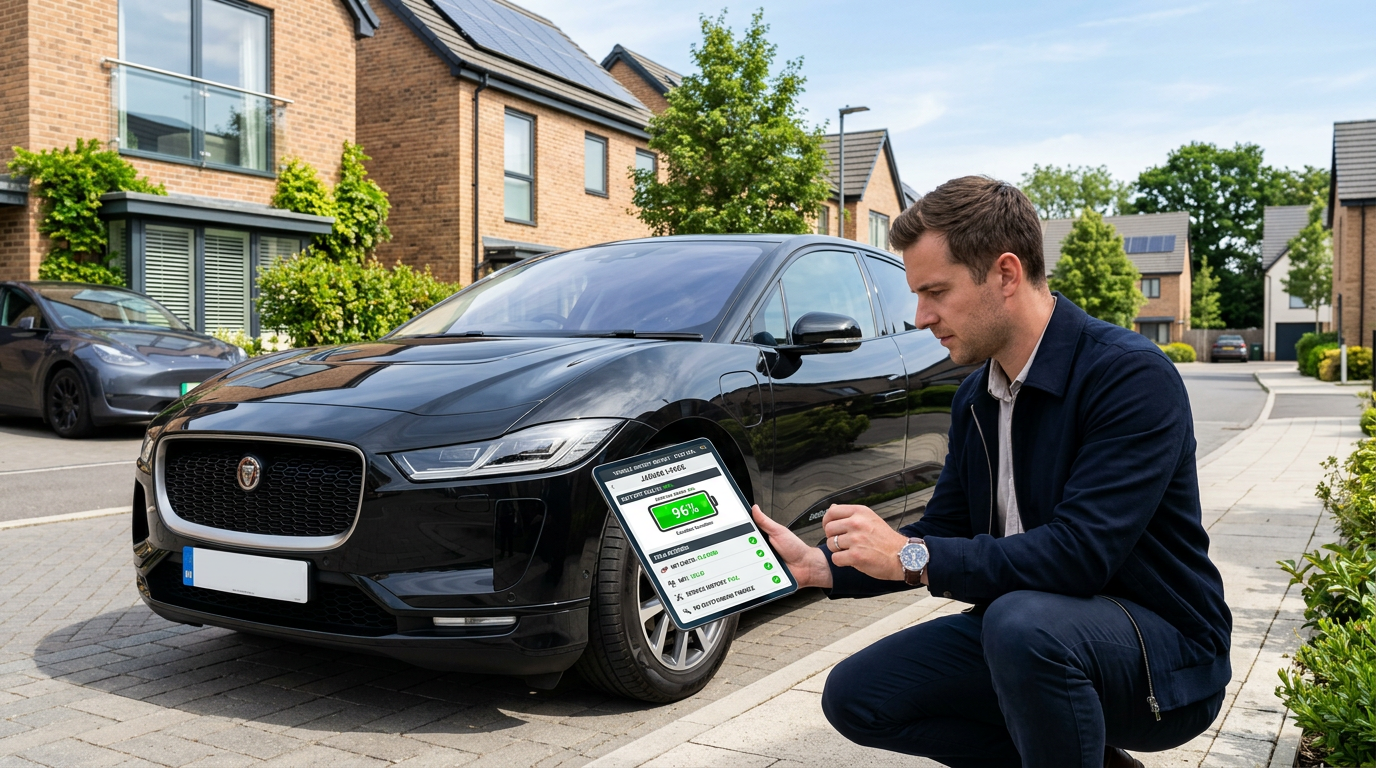
Buying a used car in 2026 is a vastly different experience than it was just a few years ago. With the UK's transition toward electrification accelerating and the DVLA’s digital transformation in full swing, the 'classic' scam has evolved into more sophisticated digital deceptions.
While CarsLink.ai makes it easier than ever to track market trends and find verified listings, buyers still need to be vigilant. Whether you are looking at a high-mileage EV or one of the remaining petrol hybrids, these are the seven red flags you cannot afford to ignore in 2026.
1. Mismatched Digital and Physical Service History
The days of a grease-stained logbook in the glovebox are largely over. In 2026, most manufacturers use Digital Service Records (DSR). A major red flag is a seller who claims "the garage forgot to upload it" or provides paper receipts that don't match the manufacturer’s central database.
When buying a used car in 2026, always verify the DSR via the manufacturer's app or a reputable car history check UK service. If there are gaps in the digital timeline—especially for EVs requiring specific coolant changes or battery health checks—walk away.
2. Inconsistencies in the Digital V5C (Logbook)
The DVLA has fully embraced digital integration. While physical V5C documents still exist, the digital logbook V5C system is now the standard for rapid ownership transfers.
Watch out for:
- A seller unable to demonstrate ownership via the DVLA "View Vehicle Record" portal.
- A V5C that has been "recently issued" without a credible explanation (this could hide a recent write-off or multiple quick sales).
- Any pressure to complete a transfer using a "third-party link" instead of the official .gov.uk portal.
3. Hidden Battery Degradation (The EV Special)
In 2026, the used market is flooded with first-generation mass-market EVs. Physical appearance tells you nothing about the most expensive component: the battery.
A significant red flag is a seller who refuses to provide a State of Health (SoH) certificate. If a car shows a 100% charge but the predicted range is 30% lower than the original factory spec, the battery cells are likely failing. Using CarsLink.ai to compare real-world range data for specific models can help you spot if a car's performance is below par for its age.
4. The "ULEZ-Compliant" Petrol Scam
While most petrol cars from 2006 onwards are ULEZ compliant, 2026 sees stricter "Zero Emission Zones" (ZEZ) popping up in London, Oxford, and Bristol. Some sellers may advertise a car as "Future Proofed" or "Zone Exempt" when it actually faces a £20 daily charge.
Always verify the Euro Status on the V5C. Do not take the seller’s word for it; use the official government "Check if your vehicle meets emission standards" tool to avoid an expensive surprise.
5. Unusually Low Mileage for a 5-Year-Old Lease
The UK car market in 2026 is dominated by former PCP (Personal Contract Purchase) and PCH (Personal Contract Hire) vehicles. Most of these contracts have strict 8,000 to 10,000-mile annual limits.
If you find a car that is notoriously popular with high-mileage fleet drivers (like a Tesla Model 3 or a VW ID.4) with suspiciously low mileage, be wary of 'clocking'. In the digital age, this is done via software that interferes with the car’s ECU. Check the MOT history; if the mileage jumps are inconsistent or its first 3-year MOT shows 60,000 miles but it’s now being sold with 40,000, it’s a scam.
| Red Flag | What to Check | Risk Level |
|---|---|---|
| No Battery SoH Report | OBDII Diagnostic Scan | Critical |
| Unofficial V5C Links | Official gov.uk portal | High |
| Missing DSR | Manufacturer Database | Medium |
| Recent "Cat S" or "Cat N" | HPI / History Check | High |
6. Incorrect Charging Hardware
A red flag often overlooked is the charging equipment. A used EV should come with its Type 2 to Type 2 cable and, ideally, a 3-pin "granny" charger. If these are missing, it could cost you £200–£400 to replace them. More importantly, if the charging port shows signs of scorching or the cable is a non-branded, cheap import, it suggests the car has been fast-charged poorly, potentially damaging the internal inverter.
7. Pressure to Pay via "Escrow" or Crypto
The 2026 car market has seen a rise in sophisticated payment scams. If a seller insists on using a "secure escrow service" you’ve never heard of, or offers a discount for payment in cryptocurrency, it is almost certainly a fraudulent listing.
In the UK, stick to traditional bank transfers where you can verify the recipient's name via Confirmation of Payee, or use reputable dealer finance platforms.
Summary: The 2026 Buyer’s Checklist
- Verify the Digital Logbook V5C: Check the DVLA database before viewing.
- Run a Car History Check UK: Ensure there is no outstanding PCP/HP finance.
- Request an EV Battery Audit: Don't buy a ‘brick’.
- Check Road Tax Status: Be aware that as of 2025, EVs now pay VED (Road Tax).
Looking for a safer way to buy?
Navigating the used car market doesn't have to be a minefield. At CarsLink.ai, we provide the data-driven insights you need to spot a fair deal from a mile away. Whether you're upgrading to your first electric vehicle or looking for a reliable hybrid, use our platform to compare real-world prices and find verified sellers today.
Don't get caught out by red flags—start your search the smart way with CarsLink.ai.",excerpt: