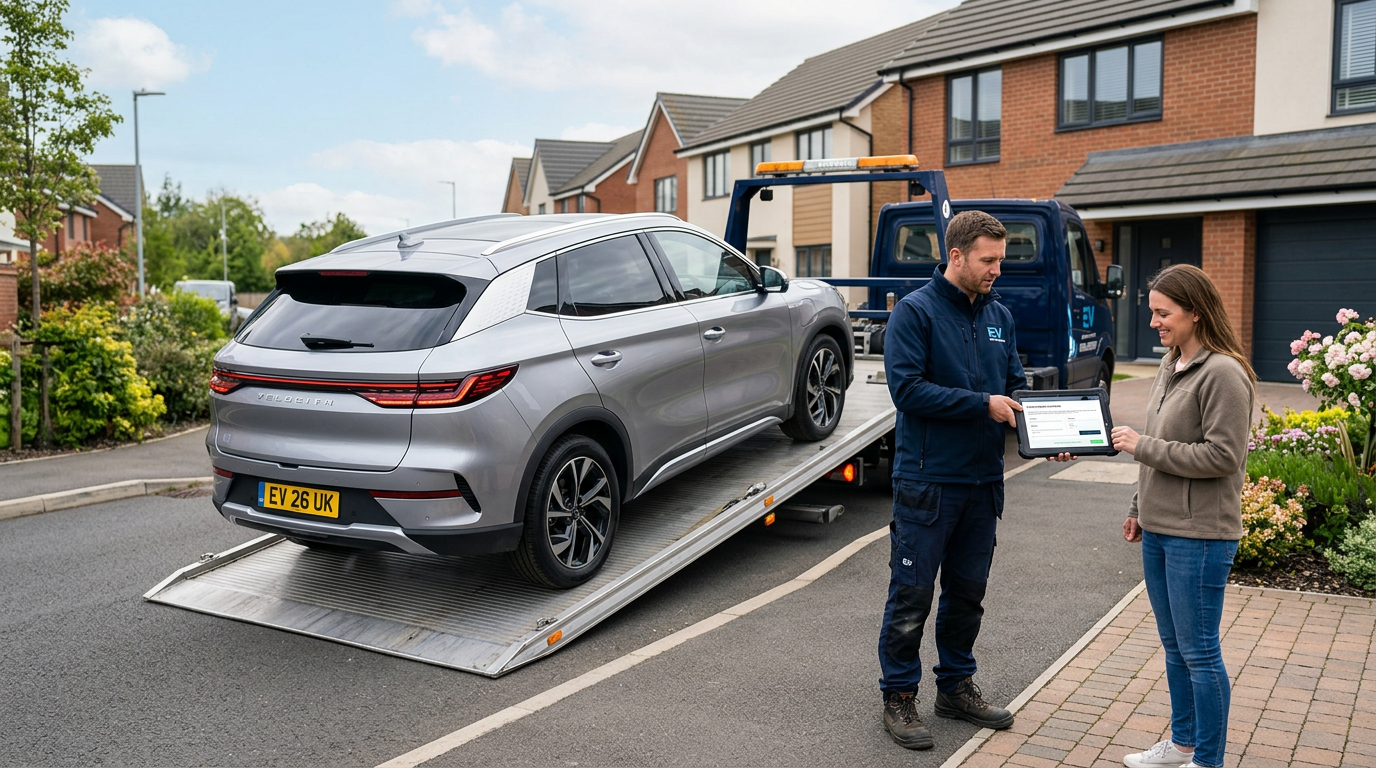
In the high-speed world of 2026, the way we purchase vehicles has fundamentally shifted. Gone are the days when every car sale began with a kick of the tyres and a physical test drive in an industrial estate. Today, "buying unseen" via digital platforms is a standard practice for thousands of UK motorists. However, clicking 'Buy Now' on a used car involves significantly different legal protections than buying from a traditional forecourt.
Understanding your position under the Consumer Rights Act 2015 (CRA 2015) and the Consumer Contracts (Information, Cancellation and Additional Charges) Regulations 2013 is essential to ensure you aren't left with a digital lemon.
Buyer Rights: The "Distance Selling" Safety Net
When you buy a car online without visiting the dealer’s premises before the contract is concluded, your rights are significantly enhanced compared to an in-person purchase.
1. The 14-Day "Cooling-Off" Period
Under the Consumer Contracts (Information, Cancellation and Additional Charges) Regulations 2013, you have a statutory right to cancel your order from the moment you place it until 14 days after the vehicle is delivered. This is often referred to as the "cooling-off period."
Unlike a forecourt sale, you do not need a reason to return the car. You can simply change your mind. However, be aware that the dealer can deduct money from your refund if you have used the car beyond what is necessary to "establish the nature, characteristics and functioning" of the vehicle (typically beyond a reasonable test drive distance).
2. The Right to Reject (CRA 2015)
Regardless of whether you bought the car online or in person, the Consumer Rights Act 2015 dictates that the vehicle must be:
- Of satisfactory quality: It should be in a condition a reasonable person would expect, given its age, mileage, and price.
- Fit for purpose: It must be capable of performing the tasks you specified to the dealer.
- As described: If the advert said "Full Service History" and "heated seats," the car must have them.
If the car has a fault within the first 30 days of delivery, you have a "short-term right to reject" for a full refund.
3. Financial Shielding via Section 75
If you paid even a small part of the vehicle's cost (between £100 and £30,000) using a credit card, you are protected by Section 75 of the Consumer Credit Act 1974. This makes the credit provider jointly and severally liable for any breach of contract or misrepresentation by the dealer. This is a vital safety net for "unseen" purchases.
Dealer and Trader Obligations
In 2026, the burden of transparency lies heavily on the trader. Failure to meet these obligations can extend your rights as a buyer significantly.
1. Pre-Contract Information
Under the Consumer Protection from Unfair Trading Regulations 2008 (CPRs), traders must not omit "material information" that might cause a consumer to make a different decision. For an unseen car, this includes high-resolution imagery of any bodywork damage, clear disclosure of previous owners, and accurate mechanical descriptions. If a trader hides a known fault, they are in breach of the CPRs.
2. Delivery and Risk
According to the CRA 2015, the goods remain at the trader’s risk until they come into the physical possession of the consumer or a person identified by the consumer. This means if the car is damaged on the back of a delivery low-loader, it is legally the dealer's responsibility to rectify it, not yours or your insurers.
3. Extension of Cancellation Rights
If a dealer fails to provide you with a clear notice of your 14-day right to cancel at the time of purchase, your right to cancel the contract can be extended by up to one year and 14 days. Legitimate UK dealers in 2026 will usually include this in their digital "Terms and Conditions" checkboxes.
4. Direct Sales vs. Brokerage
Traders must clearly state if they are selling the car as a dealer or acting as a broker for a private individual. This is crucial because private sales are not covered by the CRA 2015 (only the Sale of Goods Act 1979 applies, which offers much less protection—essentially, the car must only be "as described").
Dealing with Faults: The 2026 Timeline
If your "unseen" car arrives and has issues, the law provides a structured timeline for resolution:
- 0–30 Days: You can exercise the "Short-term Right to Reject." You are entitled to a full refund. The dealer may offer a repair, but you are not obligated to accept it.
- 30 Days–6 Months: If a fault emerges, the law assumes the fault was present at the time of delivery. You must give the dealer one opportunity to repair or replace the vehicle. If the repair fails, you can then demand a refund (though a deduction for usage may be applied).
- After 6 Months: The "burden of proof" shifts. You must prove the fault was present when you took delivery, which often requires an independent engineer’s report.
Avoiding the "Private Sale" Trap
Many online marketplaces in 2026 blur the lines between professional traders and private sellers. Always verify the seller’s status. If the seller is a "Trader" (someone selling cars as a business), you are a "Consumer" and the CRA 2015 is your shield. If they are a private individual, the "buyer beware" (caveat emptor) rule largely applies.
Key Takeaways for 2026 Car Buyers
- Confirm the Distance Sale: Ensure the entire transaction (from first contact to payment) happens away from the dealer’s premises to trigger the 14-day return right.
- Document the Delivery: Take a video of the car being unloaded. Point out any discrepancies to the delivery driver immediately.
- Use Credit for Deposits: Paying even £100 of a £15,000 car on a credit card activates Section 75 protection for the entire value.
- Check the V5C and HPI: Even with distance selling rights, always perform your own digital history checks to ensure the car isn't "Category S or N" salvage unless disclosed.
Legal Disclaimer
This article is for general informational purposes only and does not constitute legal advice. While the information is current as of May 19, 2026, laws and regulations regarding consumer rights can change. If you have a specific legal dispute regarding a vehicle purchase, you should consult with a qualified legal professional or contact Citizens Advice.
Need to check a vehicle's history before you buy unseen? Use CarsLink.ai’s integrated verification tools to ensure your next car is as good as it looks on screen.