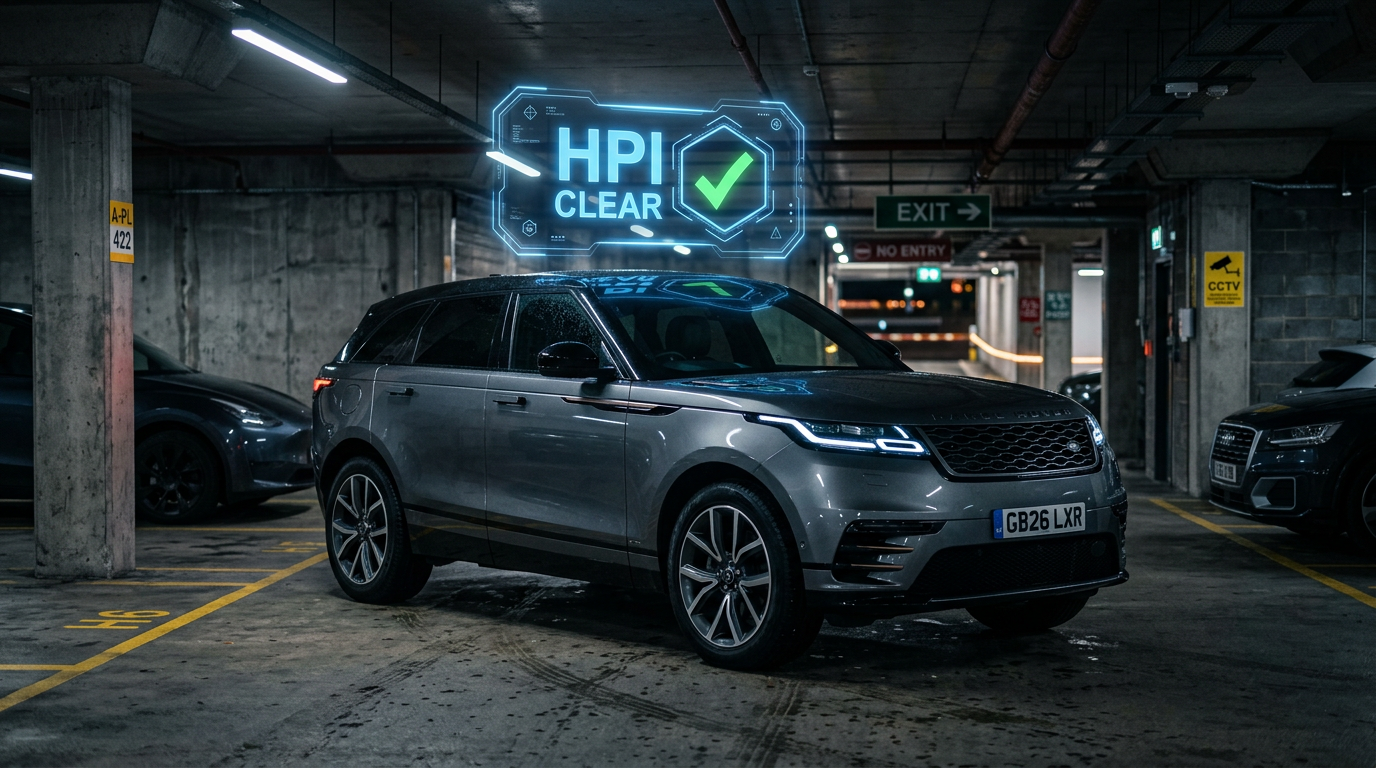
In 2026, the UK used car market remains as competitive as ever. With the cost of living still a primary concern for many motorists, the lure of a high-specification Audi, BMW, or Range Rover at 30-40% below market value is incredibly tempting. Often, these vehicles are listed as stolen recovery units.
However, behind the attractive price tag lies a complex web of legalities governed primarily by the Theft Act 1968. Before you transfer a single penny for a vehicle with a "police interest" history, you must understand the risks of 'handling stolen goods', the intricacies of legal title, and how to protect yourself using tools like CarsLink.ai.
Defining the Stolen Recovery: HPI Categories
When a car is stolen and subsequently found by the police, it is logged on the Police National Computer (PNC). If an insurance claim has already been paid out to the original owner, the vehicle’s legal title (ownership) transfers to the insurance company.
There are typically two types of stolen recoveries you will encounter:
- Unrecorded Recovery: The car was found and returned to the owner/insurer before a total loss claim was processed. These may not show a 'Category' marker but will often have a ‘Police Interest’ note on an HPI check.
- Recorded Recovery (Cat S or N): The vehicle was recovered but had sustained damage (structural or non-structural) while in the hands of the thieves.
The Theft Act 1968: Why It Matters to You
The Theft Act 1968 is the cornerstone of UK property law. For a car buyer, the most relevant section is Section 22: Handling Stolen Goods.
Under Section 22, a person commits an offence if, knowing or believing them to be stolen goods, they dishonestly receive the goods, or dishonestly undertake or assist in their retention, removal, or disposal.
The Risk of 'Guilty Knowledge'
If you buy a car that is still flagged as stolen on the PNC, and the price is "too good to be true," the law may infer that you should have known or believed the vehicle was stolen. In 2026, with instant digital history checks available at our fingertips, claiming ignorance is a difficult legal defence. If the police stop you in a vehicle still marked with active interest, you risk vehicle seizure and potential prosecution.
The Principle of 'Nemo Dat'
A fundamental rule in English Law is Nemo dat quod non habet—"no one gives what they do not have."
If you buy a car from a private seller who doesn't actually own it (because it’s stolen), they cannot legally pass ownership to you. Even if you act in "good faith," the rightful owner (usually the insurance company) has a superior claim.
- The Result: The police can seize the car.
- The Loss: You lose the car and your money, leaving you to pursue the seller—who has likely disappeared—in a civil court.
Essential Checks: The HPI Stolen Check
Before viewing any vehicle that feels underpriced, a comprehensive HPI stolen check is non-negotiable. This check queries the PNC and insurance databases.
| Check Type | What it Reveals | Risk Level |
|---|---|---|
| Police Interest | The vehicle is currently sought by the police. | EXTREME. Do not buy. |
| Insurance Theft Marker | The car was stolen and a claim was paid. | MODERATE. Legal title must be verified. |
| V5C Scrapped | The vehicle was officially dismantled. | HIGH. Potential 'clone' or 'ringer'. |
At CarsLink.ai, we recommend that buyers always cross-reference the VIN (Vehicle Identification Number) found on the chassis with the V5C logbook. If there are signs of tampering or if the seller cannot provide the V5C, walk away immediately.
Mechanical and Physical Risks
Thieves rarely treat cars with respect. While a stolen recovery might look pristine, it may have suffered:
- Engine Stress: High-speed pursuits or "cold-revving" can lead to premature engine failure.
- Security Bypass: Modern 2026 vehicles are often stolen via relay attacks or OBD-II port hacking. If the thieves bypassed the immobiliser, the car’s electronic control units (ECUs) may be compromised.
- Missing Parts: It’s common for thieves to swap high-value components (LED headlights, infotainment screens) with older or faulty parts before the car is recovered.
Financing and Insuring a Stolen Recovery
Securing PCP or HP finance on a vehicle with a theft marker can be difficult. Most mainstream lenders refuse to provide credit for Category-marked recoveries because the resale value is unpredictable.
Similarly, insurance premiums may be higher. While the vehicle is legal to drive once the "Police Interest" is cleared, insurers view the history as an increased risk. You must disclose the vehicle’s status to your insurer; failure to do so could void your policy under the Consumer Insurance (Disclosure and Representations) Act.
Step-by-Step Guide to Buying Safely
If you are determined to purchase a stolen recovery to save money, follow this checklist:
- Clear the "Police Interest": Ensure the seller provides written proof from the police or an HPI report showing the "stolen" flag has been removed.
- Verify Title: If the car was an insurance write-off, ask for the "Letter of Subrogation" or a sales invoice from the insurance company to the dealer. This proves the chain of ownership.
- Professional Inspection: Use a service like the AA or RAC to perform a mechanical inspection. They will look for hidden damage that a standard MOT might miss.
- Use CarsLink.ai: Use our platform to compare the prices of similar 'clean' models. If the stolen recovery is only 10% cheaper than a clean car, the risk isn't worth the reward.
- Payment Method: Never pay in cash for a stolen recovery. Use a bank transfer or credit card (if buying from a dealer) to ensure there is a clear paper trail for the transaction.
Conclusion: Is it worth the risk?
Buying a stolen recovery is a calculated gamble. While it offers a pathway into a premium vehicle for a fraction of the cost, the shadows of the Theft Act 1968 and the principle of Nemo Dat loom large.
If you do your due diligence, verify the legal title, and ensure the vehicle is mechanically sound, you can secure a bargain. However, shortcuts in this process can lead to the loss of your vehicle and potentially a criminal record for handling stolen goods.
For more advice on navigating the 2026 used car market and to find verified vehicle listings, visit CarsLink.ai today. We help you bridge the gap between a "great deal" and a "safe deal."