As we navigate the used car market in 2026, the cost of living and rising vehicle prices have led many UK buyers to look toward "salvage" categories for a bargain. Among these, Category S (Cat S) represents vehicles that have suffered structural damage but are deemed repairable. While the savings can be significant—often 20% to 40% below market value—the risks are equally substantial.
Buying a Cat S car is no longer the "buyer beware" minefield it was a decade ago, but it requires a disciplined approach to verification. With modern vehicle architectures using complex high-strength steels and integrated ADAS (Advanced Driver Assistance Systems), a poor structural repair isn't just an aesthetic issue; it’s a fundamental safety risk.
Here is everything you need to know about verifying structural repair quality for Category S vehicles in 2026.
Understanding Cat S in the 2026 Context
In the UK, the Association of British Insurers (ABI) salvage categories remain our guiding light. A Category S designation means the vehicle has sustained damage to its structural frame or chassis. Unlike Category N (Non-structural), which covers cosmetic or electronic damage, Cat S implies the vehicle’s "backbone" was compromised.
By 2026, the MIAFTR (Motor Insurance Anti-Theft and Fraud Register) database has become more accessible to consumers, making it harder for unscrupulous sellers to hide a vehicle's history. However, a "passed" MOT does not guarantee that a structural repair was performed to manufacturer standards.
1. Start with a Multi-Source History Check
Before you even pick up the phone, you must verify the vehicle's status. A standard HPI check or a comprehensive search on CarsLink.ai will flag the write-off status immediately.
When reviewing the history, look for:
- The Date of Loss: How long was the car off the road? A three-week turnaround for a major structural repair is a red flag; quality work takes time.
- VIC (Vehicle Identity Check) markers: Note that while the formal VIC scheme ended years ago, records of structural inspections are often noted in modern history reports.
- Salvage Auction Images: Use services that scrape historical auction data (like Copart or Synetiq). Seeing "before" photos of the damage is the single most important step in understanding what was actually repaired.
2. Verifying the Structural Integrity: What to Look For
Since 2024, UK repair standards (BS10125) have become more stringent. When inspecting a Cat S car, you are looking for signs that the repairer cut corners.
The "Chassis Rail" Inspection
The chassis rails are the most common structural elements repaired in Cat S cases. Open the bonnet and look at the engine bay's side rails.
- Welding Quality: Factory welds are uniform and robotic. Manual "puddle" welds or messy "bird-poop" welding suggest a backyard repair.
- Kinking: Look for any slight ripples in the metal. Even a tiny kink suggests the frame wasn't pulled straight on a professional "jig."
- Paint Overspray: If there is fresh paint on plastic hoses, wiring looms, or bolts, the car was likely resprayed in a hurry to hide repair marks.
Panel Gaps and Alignment
Structural damage often manifests as alignment issues that are impossible to hide.
| Inspection Point | What to Look For | Significance |
|---|---|---|
| Panel Gaps | Uneven spacing between the bonnet and wings. | Suggests the front-end structure is skewed. |
| Door Closure | A "tinny" sound or resistance when closing. | Indicates the B-pillar or door frame is out of alignment. |
| Tyre Wear | Uneven "feathering" on front tyres. | Suggests the suspension geometry or chassis is twisted. |
3. The Role of ADAS and Tech in 2026 Repairs
Modern cars popular in 2026, such as the Tesla Model 3, Volkswagen ID.4, or the latest Ford Puma, rely heavily on ADAS (Advanced Driver Assistance Systems).
If a Cat S car had front-end structural damage, the radar sensors and cameras must be recalibrated. Ask the seller for a Certification of Calibration. If they cannot provide a digital receipt from a specialist showing the sensors are aligned to the millimetre, the car’s emergency braking and lane-keep assist may fail when you need them most.
4. Professional Inspections: The Non-Negotiable
Unless you are a qualified panel beater, you should never buy a Cat S car without a professional third-party inspection. In 2026, UK buyers typically choose between:
- AA/RAC Structural Inspections: Comprehensive but can be expensive.
- Independent Engineers: Specific "Engineer’s Reports" focus entirely on the quality of the repair rather than just the mechanical state.
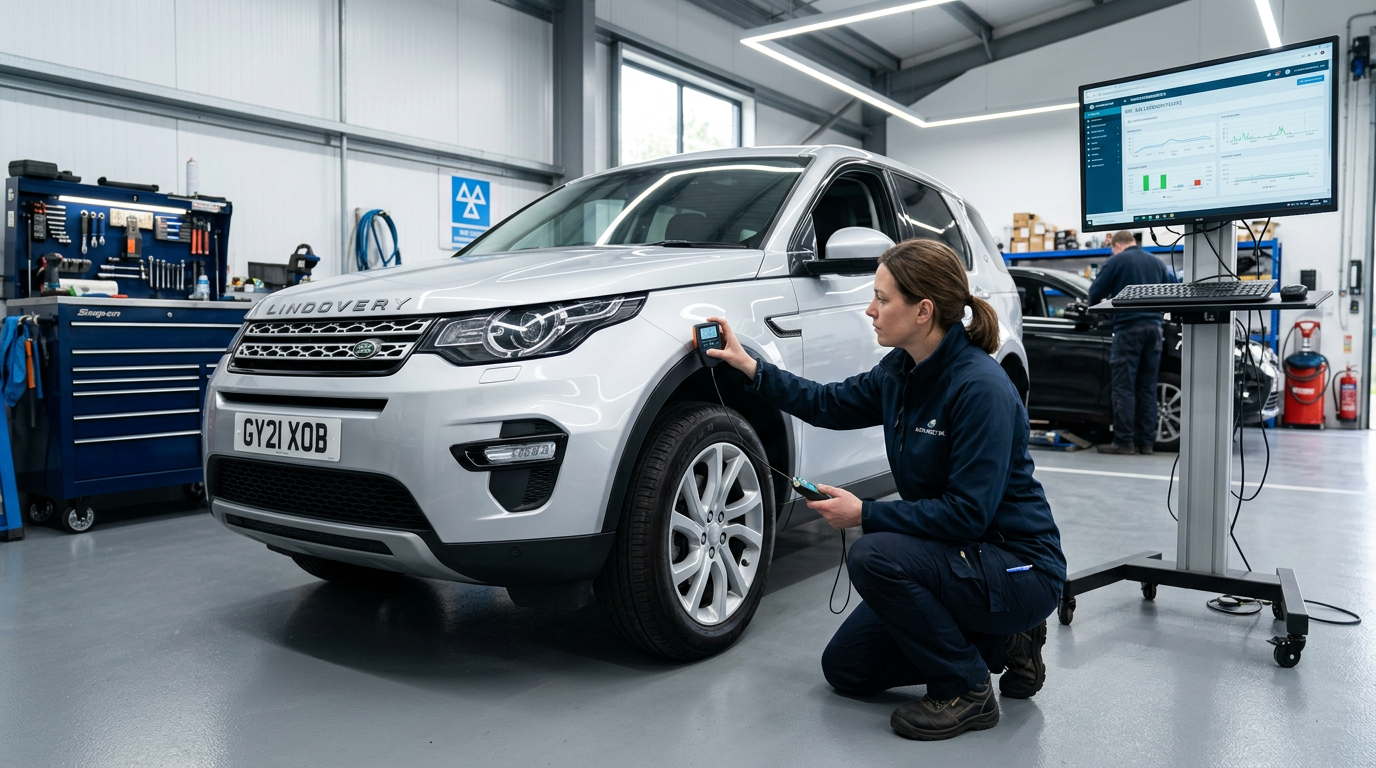
- Specialist Forensic Car Checks: These use ultrasonic thickness gauges to ensure the paint and filler levels aren't masking structural weaknesses.
A professional will also check the Airbag Status. In a major structural impact, airbags usually deploy. Replacing them is expensive, leading some rogue traders to install "bypass resistors" that trick the dashboard light into staying off even though there is no airbag present. An inspector will verify the physical presence of the SRS components.
5. Insurance and Resale: The Financial Reality
Cat S car insurance is the "hidden cost" of your bargain. While premiums have stabilised since 2023, some insurers still refuse to cover structural write-offs, or they may charge a 20-30% "risk loading."
- Valuation: Your car will always be worth significantly less than a "clean" equivalent. Ensure you are buying it for at least 25% less than the market average shown on CarsLink.ai.
- V5C Logbook: The logbook will permanently carry the note: "This vehicle has been salvaged because the estimated cost of commercial repair was more than the value of the vehicle." This cannot be removed.
6. Document Trail: The "Golden Goose"
A reputable seller who has repaired a Cat S car properly will be proud of the work. They should be able to provide:
- Invoices for parts: Were genuine OEM parts used, or cheap "pattern" parts?
- Jig Reports: Evidence the car was placed on a global alignment system to ensure the chassis is straight.
- Before and After Photos: Transparency is the hallmark of a quality repairer.
Summary Checklist for 2026 Cat S Buyers
- Conduct a full HPI/MIAFTR check.
- Find original salvage auction photos.
- Verify the V5C reflects the Cat S status correctly.
- Perform a physical "panel gap" and "weld quality" inspection.
- Request an ADAS calibration certificate.
- Book a professional engineer's inspection.
- Get an insurance quote before committing to the purchase.
Buying a Category S car in 2026 can be a savvy way to get behind the wheel of a premium vehicle for a fraction of the cost. However, the line between a "bargain" and a "death trap" is thin. By focusing on structural verification and professional oversight, you can ensure your discounted drive is a safe one.
Ready to find your next car? Use CarsLink.ai to compare live market prices and filter through thousands of verified UK listings today.